
Abstract:
Microsoft plans to no longer have a built-in 32-bit application compatibility layer by default starting with Windows Server 2028, signaling that the company is further cleaning up old technologies in Windows. However, Windows 11 will continue to retain 32-bit application support for now, and ordinary users do not need to worry about old programs not being able to run for the time being.
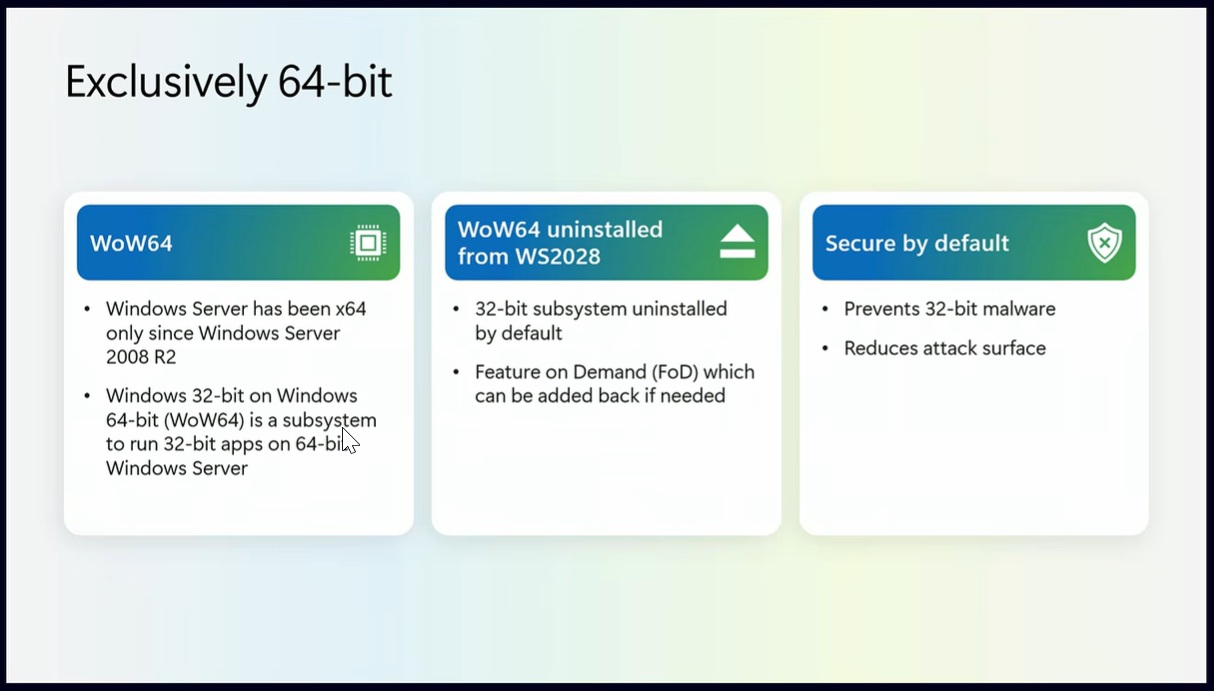
The core of this change is WoW64, which stands for "Windows 32-bit on Windows 64-bit". It is a compatibility layer for running 32-bit applications in 64-bit Windows. It has long allowed many old software, old games and internal enterprise applications from the Windows XP era to continue to be used on modern systems.
Microsoft stated at the Ignite 2026 conference that Windows Server 2028 will no longer include the WoW64 subsystem by default. Windows Server 2028 is expected to be released in the fall of 2027 with Windows 11 27H2. This means that server systems will no longer support 32-bit applications by default when shipped from the factory.
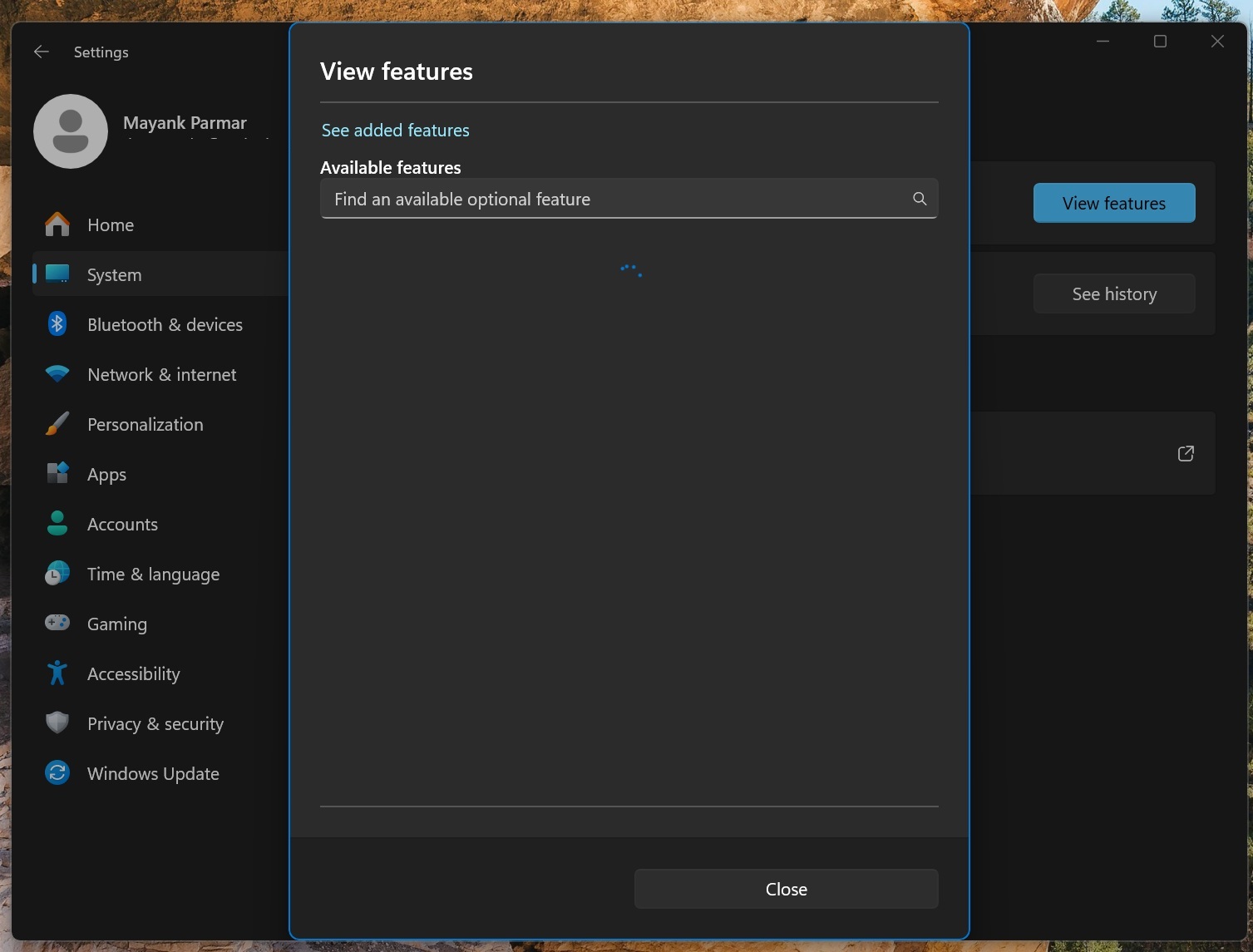
However, Microsoft has not completely cut off this ability. If enterprise users still rely on certain 32-bit business applications, they can reinstall WoW64 through "Feature on Demand" (FOD). In a Windows Server environment, this type of optional functionality is usually added via PowerShell or DISM commands, especially in Server Core editions that don't have a graphical setup interface.
Eldon Christensen of Microsoft's Windows Server team explained that Windows Server has only provided 64-bit versions since 2008 R2. The last 32-bit version was Windows Server 2008, but the system has since retained WoW64 components to run 32-bit applications on 64-bit operating systems. Now, Microsoft has decided to remove this component from the default installation.
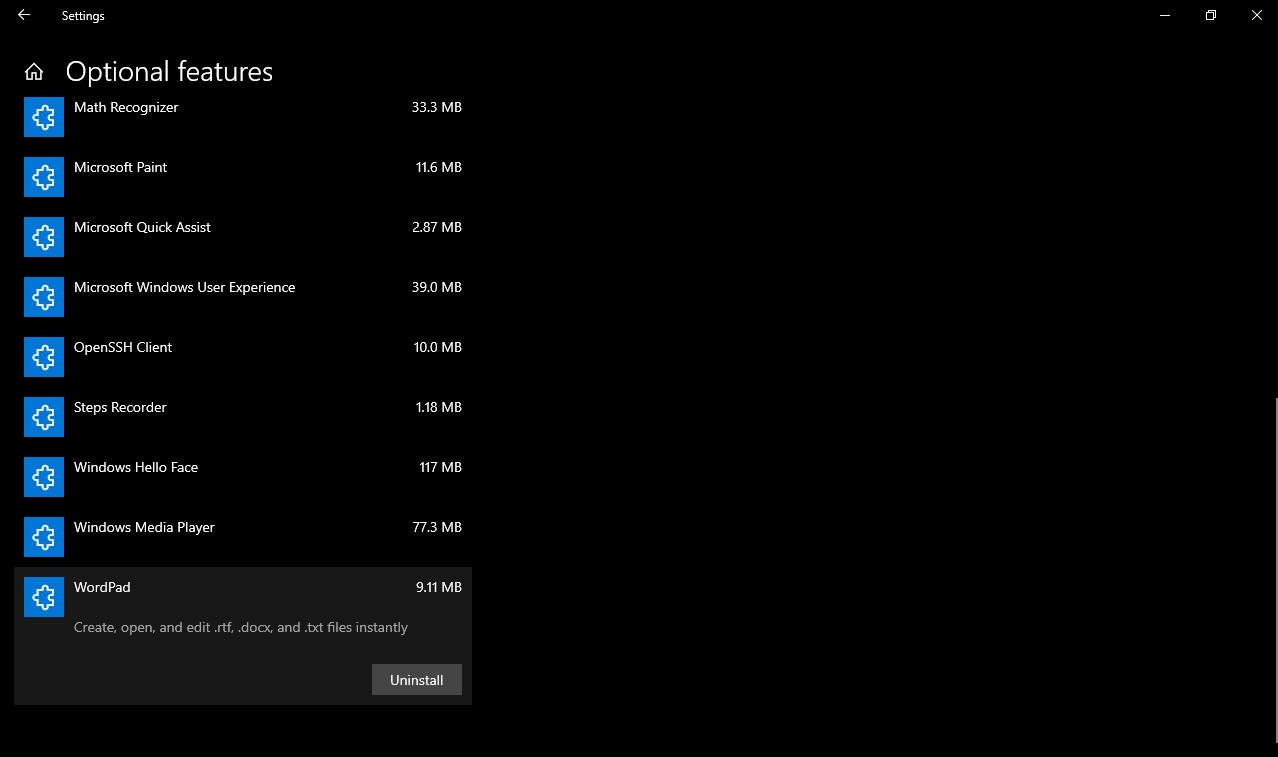
This approach is similar to the situation with WordPad. Microsoft first changed WordPad to an optional feature that can be uninstalled and reinstalled, and then completely removed the application in Windows 11 24H2. For WoW64, Microsoft is currently only making it an optional component, and users can still add it back when needed; but in the long term, this compatibility layer may also face the risk of further reductions.
Microsoft stated that this move is not simply to streamline the system or clear out legacy functions, but for security reasons. Old components such as WoW64 may bring attack surfaces related to 32-bit malware. Setting them to be turned off by default will help make Windows Server more secure out of the factory.
Microsoft also pointed out that artificial intelligence tools are accelerating the discovery of security vulnerabilities. The company said that October's "Patch Tuesday" update fixed more than 1,000 Windows security issues, setting a record high. One of the reasons is that AI tools more efficiently identify potential vulnerabilities.
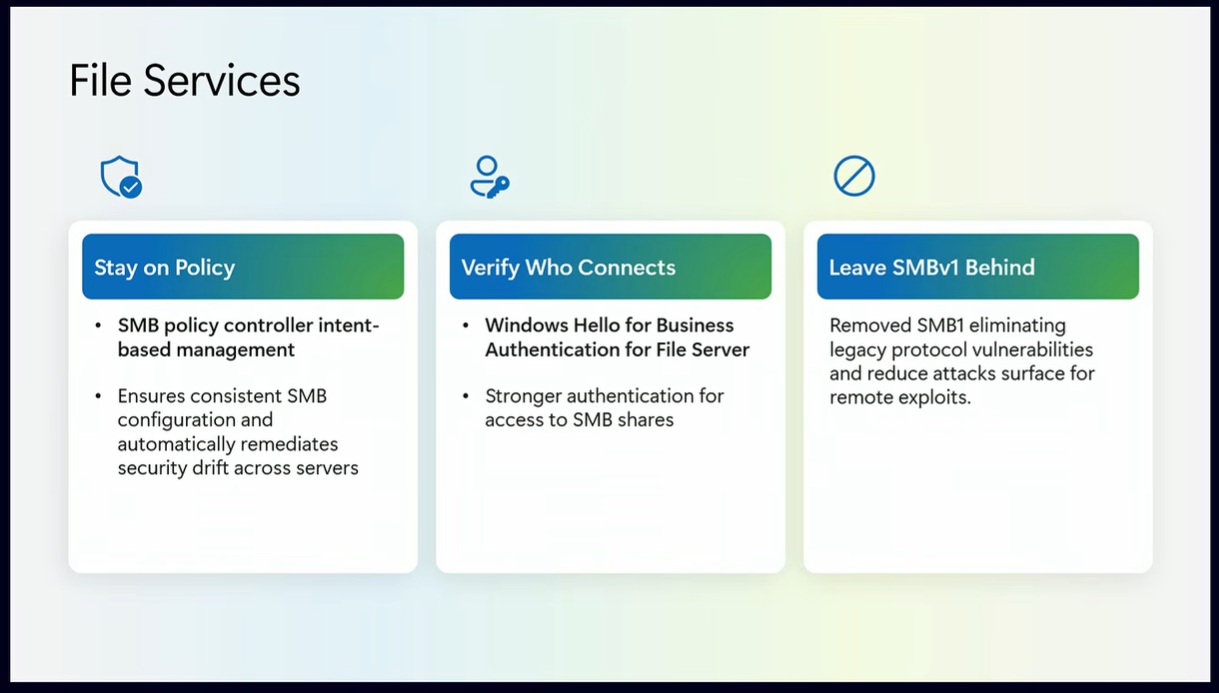
Microsoft believes that some components built on old protocols are no longer secure without rewriting and must be gradually removed. In addition to WoW64, Windows Server 2028 will also remove SMB1 and VBScript, and Microsoft is even considering removing support for legacy BIOS.
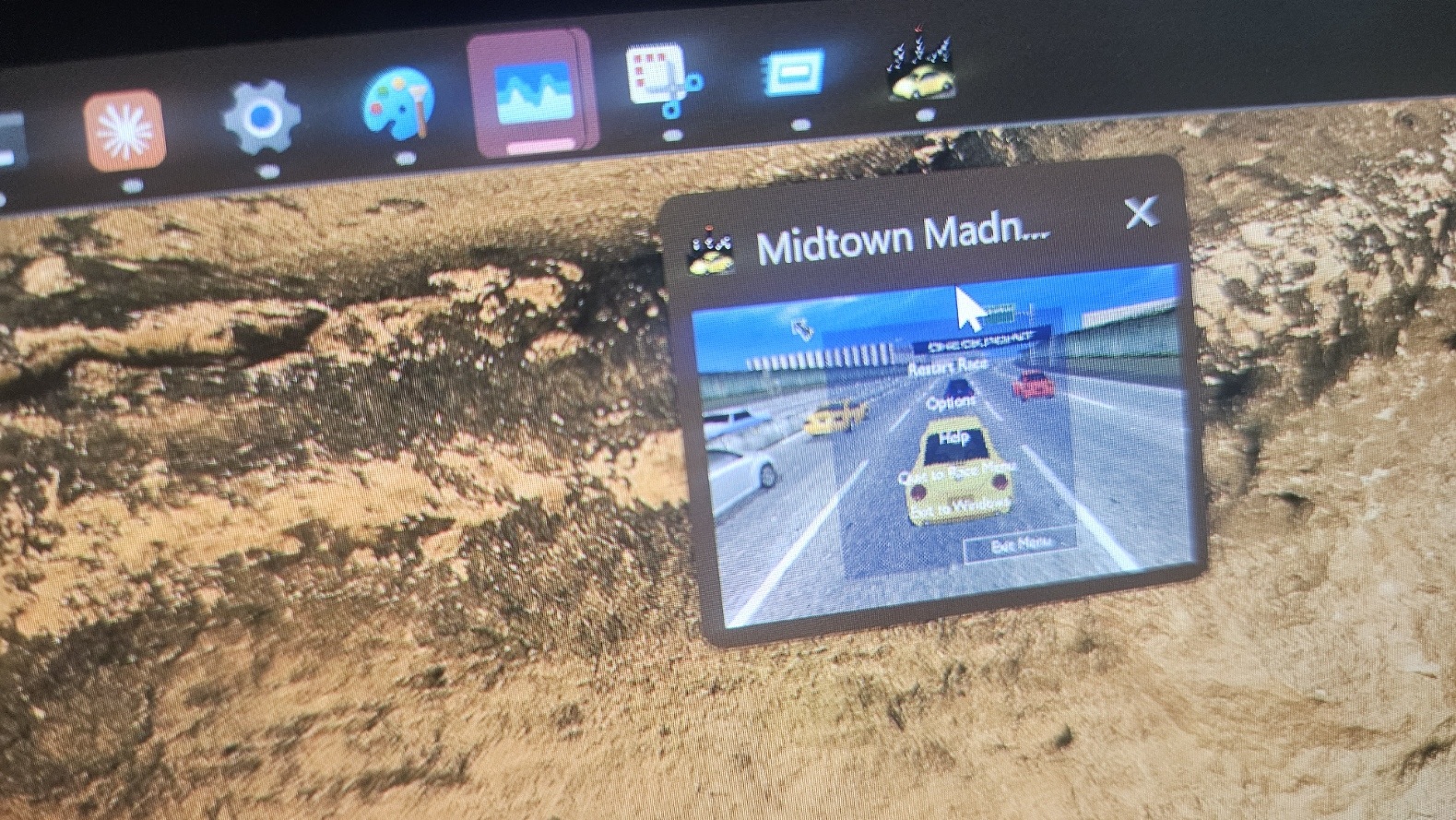
This shift is a significant adjustment to Windows' compatibility tradition. Windows has long been known for its backward compatibility, and users can even run old games from the 1990s on modern Windows 11 computers. Microsoft has always prioritized ensuring that old software can continue to run, while allowing administrators to decide whether to restrict certain applications.
In the field of Windows Server, this compatibility strategy has also existed for a long time. In the past, administrators could choose to block 32-bit applications if they did not want them to run in the enterprise environment; now, Microsoft hopes to turn off WoW64 by default and make the security baseline directly part of the system's initial state.
Christensen's message to Windows Server administrators is that the security environment has changed and users need to be more proactive in keeping their systems updated. Microsoft said it will continue to push security updates, fixes and system hardening measures, but users must also upgrade in time to stay safe.
For ordinary Windows 11 users, the situation has not changed for the time being. Although Windows 11 will only provide a 64-bit version starting in 2021, it still has a built-in WoW64 compatibility layer, and Microsoft has not announced that it will remove 32-bit application support in Windows 11.
However, Windows 11 shares a lot of underlying code with Windows Server. Therefore, Microsoft may also change WoW64 to an optional feature in Windows 11 in the future. If the server version continues, users should still be able to re-enable the component via the on-demand feature.
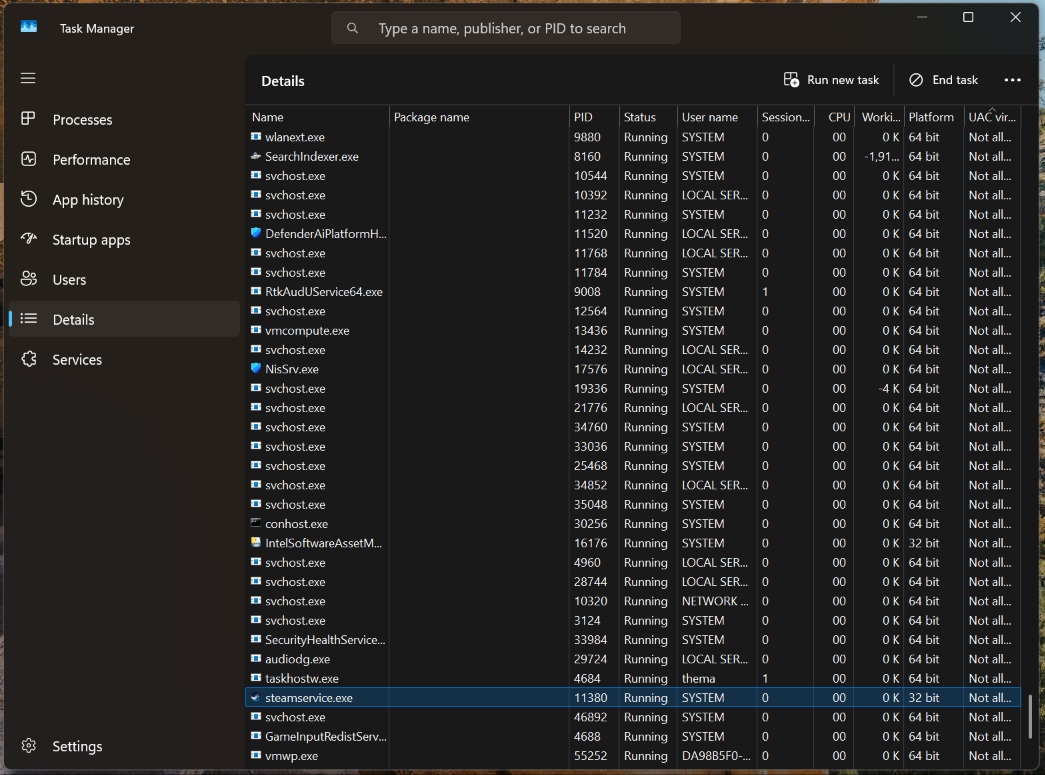
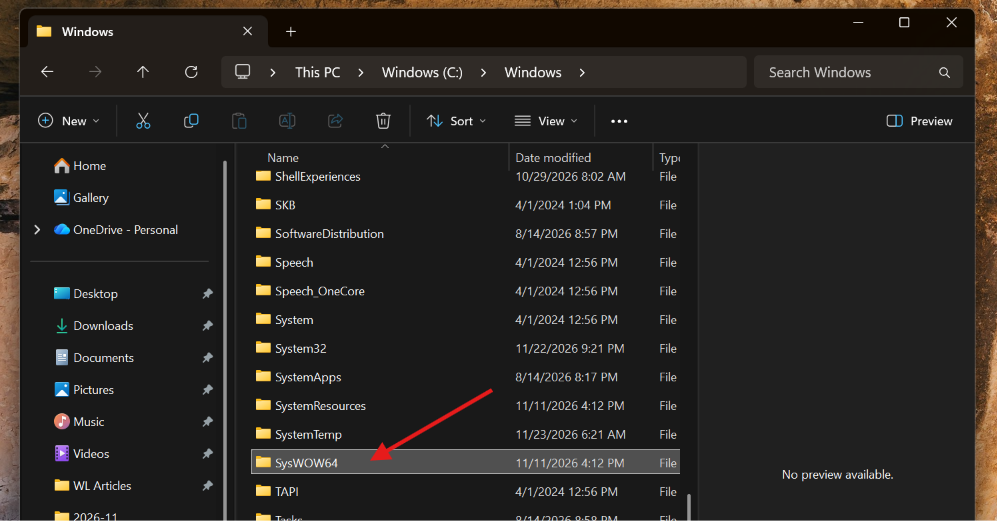
If users want to confirm whether they are still using 32-bit applications, they can open the Task Manager, enter the "Details" tab, and check the "Platform" column. For example, Steam's SteamService.exe is one of the common applications that still uses 32-bit architecture to maintain backward compatibility.
Generally speaking, Microsoft is gradually tightening its default support for older technologies, starting with Windows Server. 32-bit applications will not disappear from the Windows ecosystem immediately, but their long-term prospects have become more uncertain; for enterprise users, early evaluation and migration of business systems that rely on 32-bit components will become an unavoidable issue in the next few years.
Comments