
Abstract:
Microsoft is making major adjustments to the underlying artificial intelligence strategy of Windows 11. It plans to gradually get rid of the primary dependence on the physical Copilot keys of the keyboard and the sidebar of the web page, and move to a new stage of running large-scale AI models directly and efficiently on the user's PC. This change marks that Microsoft's exploration of the integration of AI and operating systems is moving from the surface interaction interface to the underlying computing architecture of the operating system.
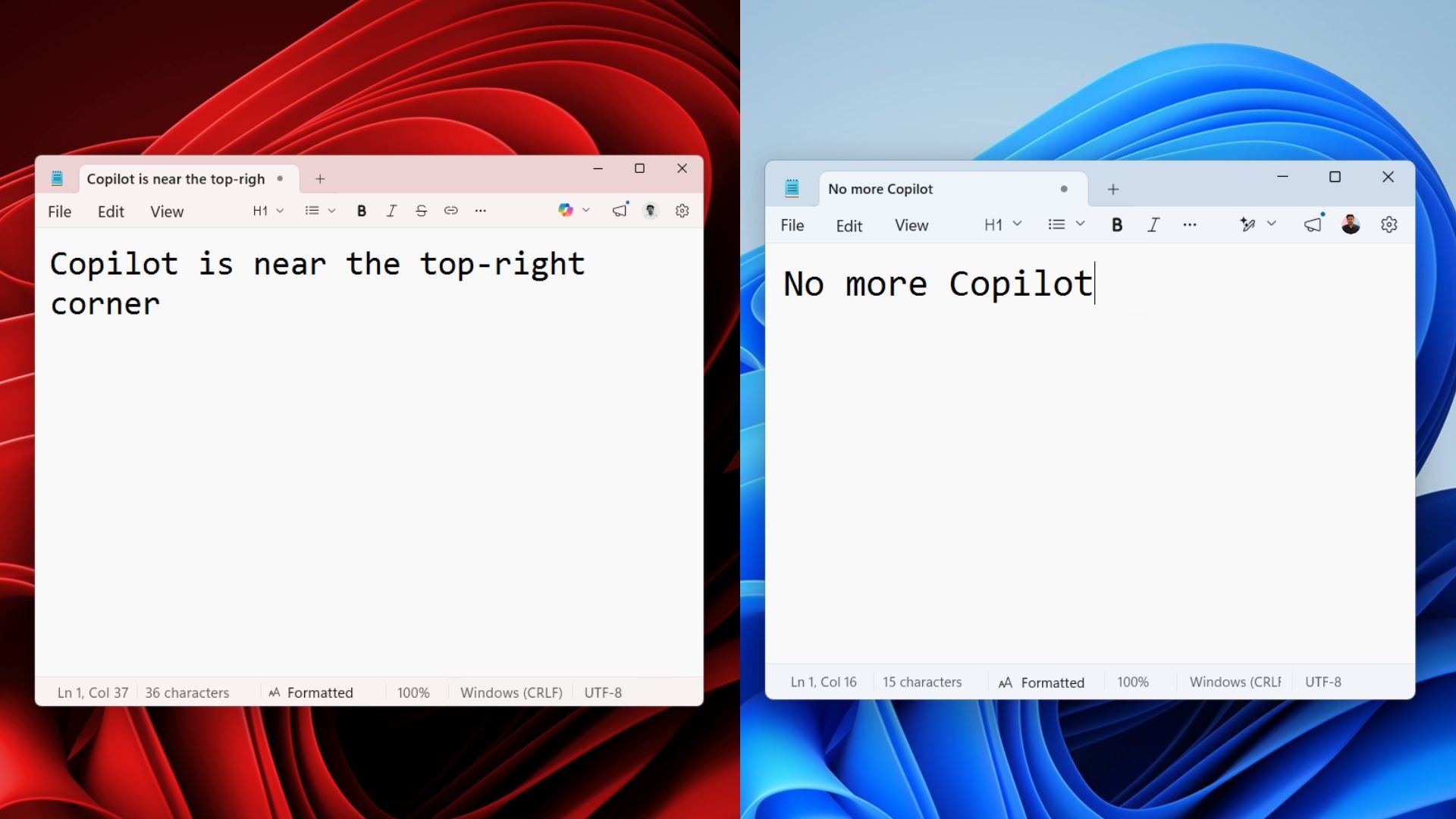
In the past two years, Microsoft has adopted an intensive software and hardware bundling strategy to popularize Copilot, including working with OEM manufacturers to add the Copilot key, the first new physical key in nearly 30 years to the right of the space bar on the PC keyboard, and embedding various AI call buttons in core interfaces such as the taskbar and file explorer of Windows 11. However, this type of design caused a lot of controversy and user backlash after being introduced to the market. Many users pointed out that Copilot at this stage is largely just a web page encapsulation window driven by the cloud. It not only responds slowly when the network is poor, but also fails to form a truly deep and seamless integration with the underlying workflow of the system. The strong recommendation of physical buttons is even regarded as redundant by many professional users who are accustomed to shortcut keys.
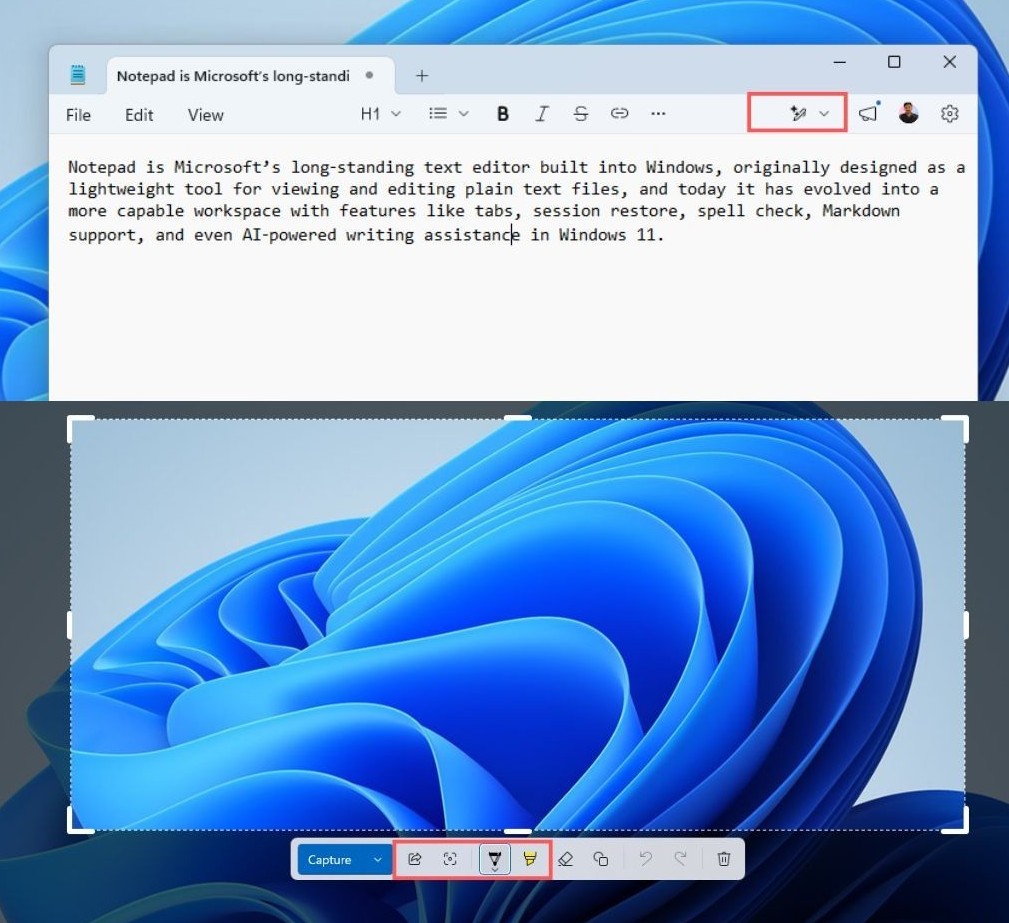
In response to this current situation, Microsoft has clarified the "device-side first" technical route in its latest system planning and developer plan. Microsoft believes that the true next-generation AI operating system should make intelligent experiences as invisible and immediately available as native APIs. The prerequisite for realizing this vision is to directly offload the reasoning and calculations of the AI model to the local device of the personal device. Relying on the popularity of high-computing neural processing units (NPUs) in new-generation PC hardware and system platforms that support large-capacity and high-bandwidth unified memory architectures (such as Microsoft's latest Project Zenith ecosystem for professional developers), Windows 11 is being transformed into a high-performance environment that can run billions or even tens of billions of parameter models directly and concurrently locally without relying on cloud servers.
Running AI models locally can not only significantly eliminate the network delay caused by data traveling to and from the cloud, but also provide users with fundamental privacy and security guarantees. All system-level sensitive operations, screen content awareness and local document indexing can be processed in a closed loop within the device without uploading personal data to the remote cloud, thus completely resolving compliance and privacy concerns previously caused by the cloud AI analysis mechanism. At the same time, for developers, the local device-side model means that they can get rid of the expensive cloud token call billing model and build complex AI applications with both high response speed and native security features in no-network or weak-network environments.
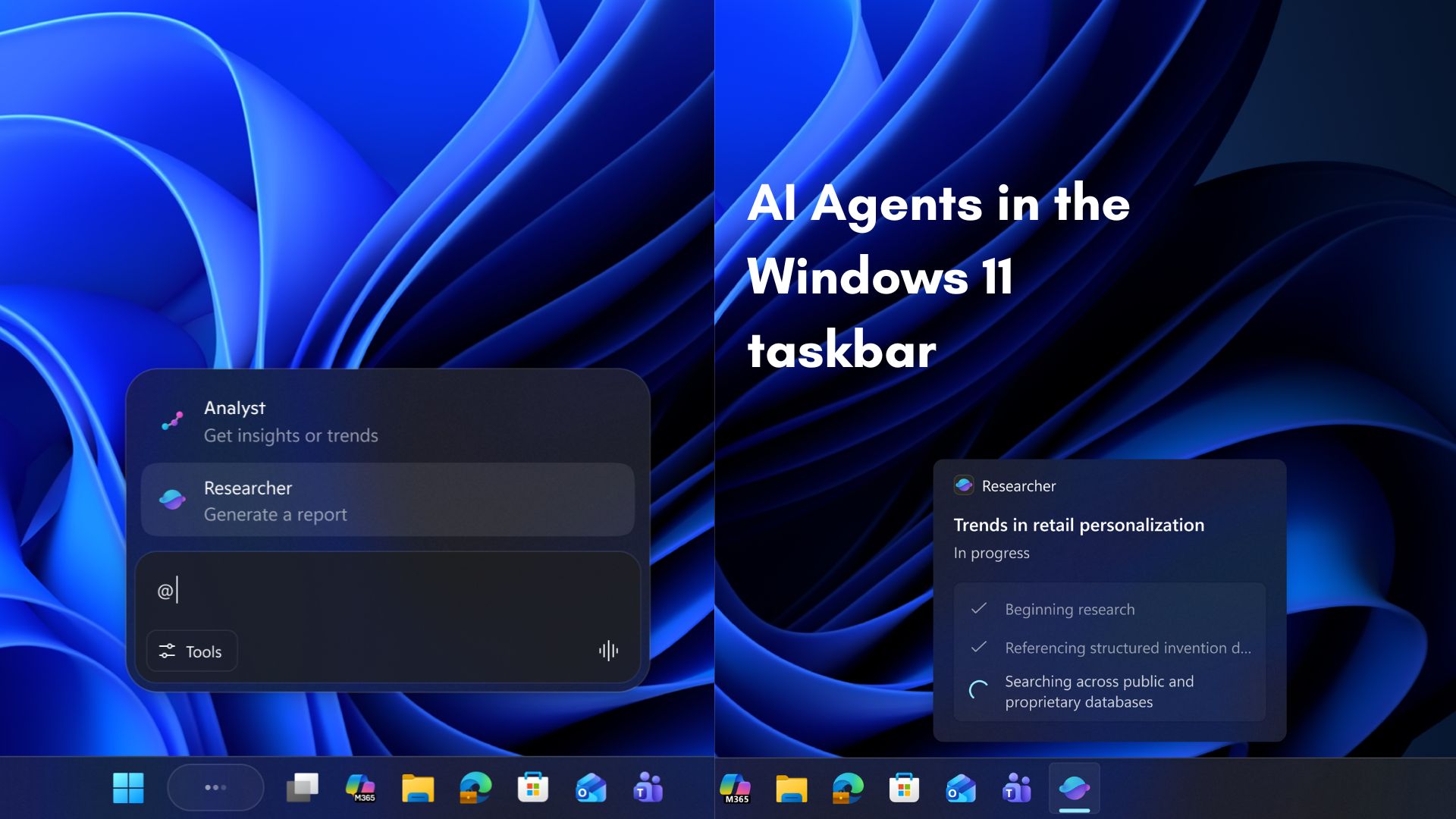
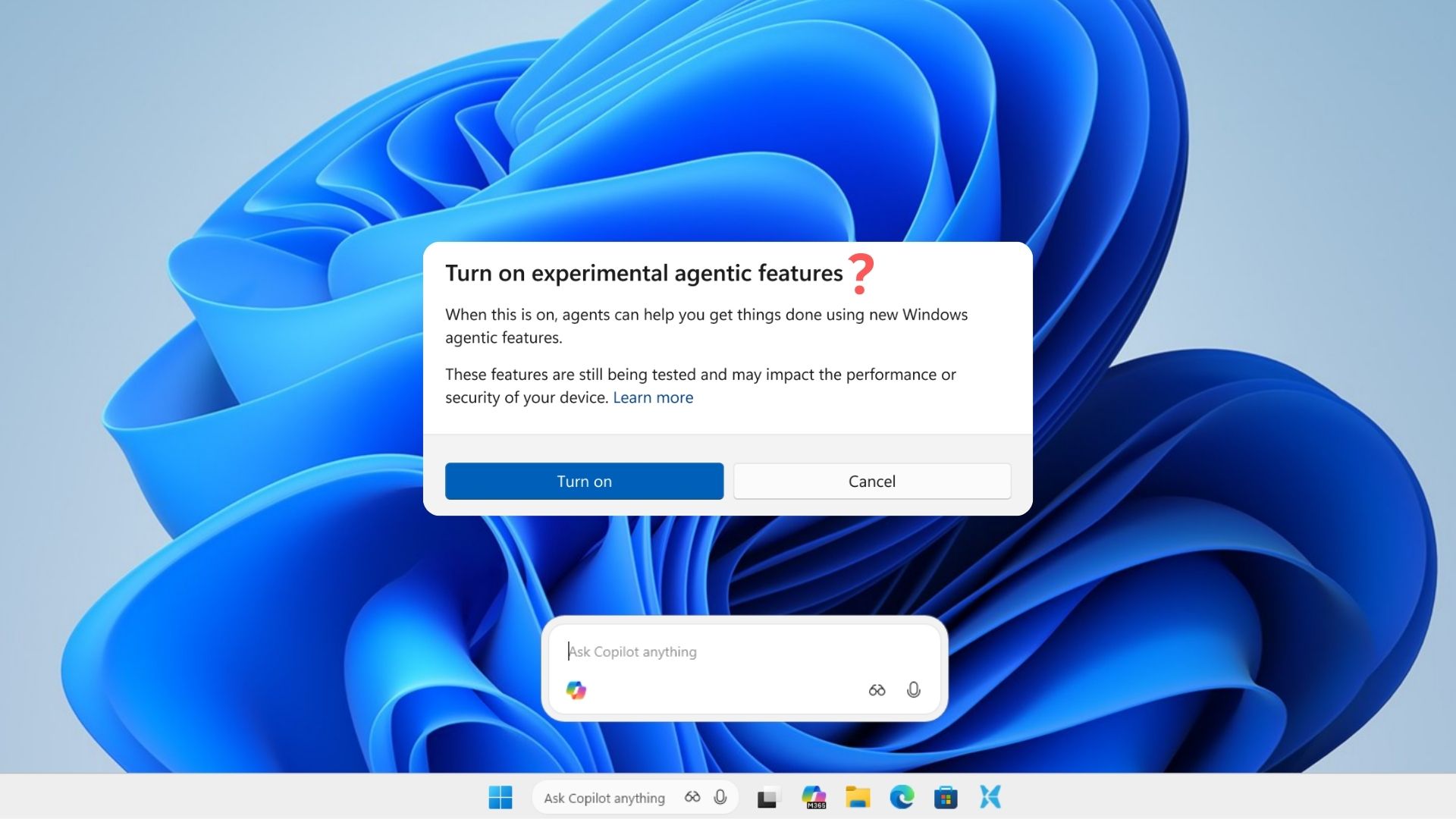
Industry analysts believe that Microsoft is trying to use this in-depth shift to reverse the stereotype of "stacked shortcuts" left by Windows 11 in the early stages of the implementation of AI functions. With the maturity of local miniaturized high-density model (SLM) technology and the explosion of end-side hardware computing power, the future focus of Windows 11 will no longer be to attract users to click on an isolated Copilot icon, but to allow system-level agents with active execution capabilities to work together around the clock at the bottom, pushing the operating system to truly enter the next stage with local intelligence as the core backbone.
Comments