
Abstract:
Apple (Apple) is secretly developing at least two self-branded game controller hardware, aiming to provide deeper native hardware support for its cross-platform gaming ecosystem covering iPhone, iPad, Mac and Apple TV. If the project eventually goes to market, it will mark the first time that Apple has personally launched exclusive first-party gaming peripherals after relying on third-party handle licensing support such as Sony PlayStation and Microsoft Xbox for a long time.
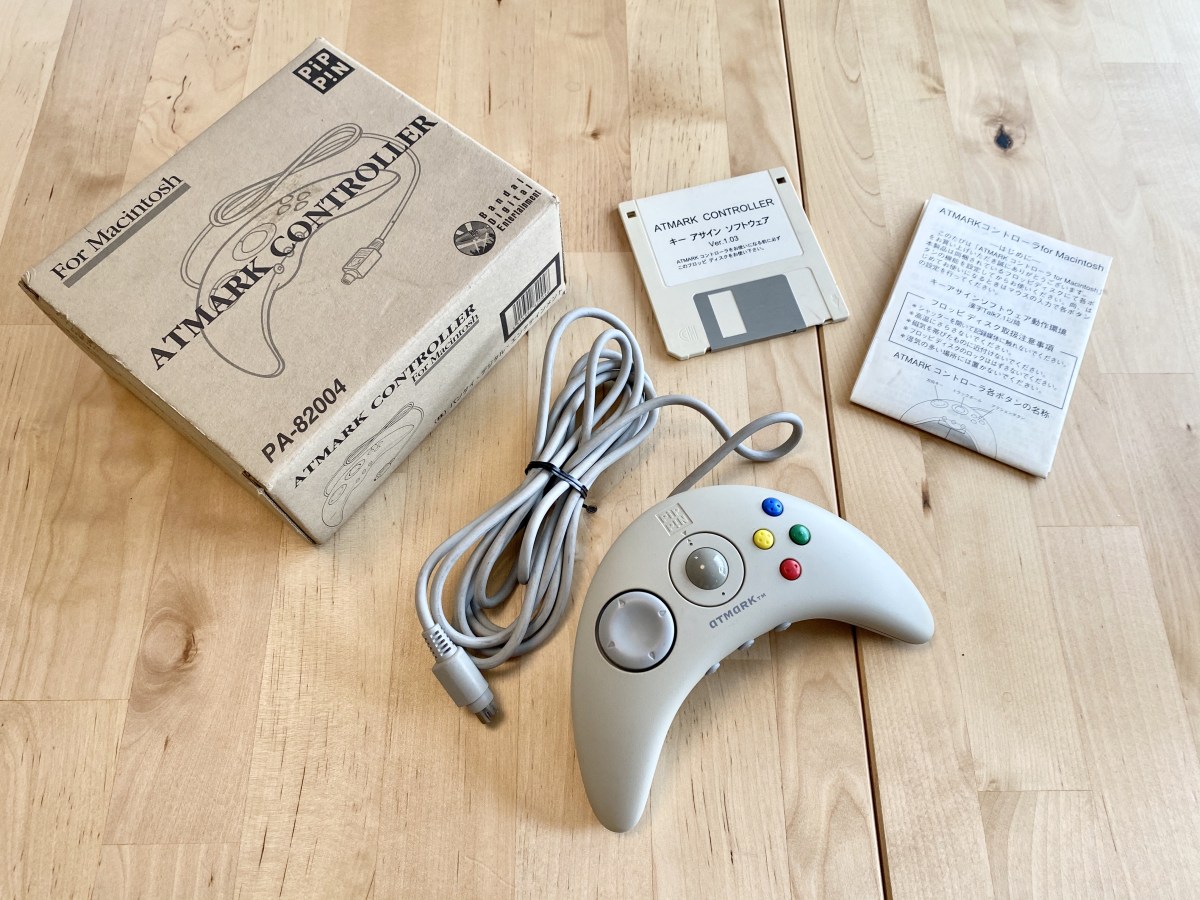
According to the exposed technical patent details and internal development information, the two controllers under development adopt completely different product forms for mobile portability and large-screen host-level experience respectively. One of them adopts a double-sided split or magnetic retractable clamping design similar to the Nintendo Switch Joy-Con, which can be directly fixed on both sides of the iPhone or iPad, instantly transforming the mobile device into a portable handheld form with both tactile feedback and highly sensitive physical joysticks, making it easier for players to carry it with them when going out. The other is a standard-sized traditional full-featured wireless controller, with a shape closer to the PlayStation DualSense or Xbox wireless controller. It is mainly aimed at desktop and living room heavy gaming scenarios connected to Apple TV, Mac or external monitors. It is expected to integrate a high-specification multi-axis gyroscope, tactile vibration motor and long-lasting battery life system inside the fuselage.
Industry analysts pointed out that Apple’s development of first-party controllers is closely related to its radical strategic shift in the gaming business in recent years. As the performance of the A-series and M-series self-developed chips continues to rise, Apple not only vigorously promotes top-end mobile chips with hardware-level ray tracing technology, but also successfully facilitates the native porting of many 3A-level console masterpieces such as "Resident Evil", "Death Stranding", and "Assassin's Creed" to iOS and macOS platforms. However, touch screen virtual buttons cannot provide complex operational feedback, and third-party Bluetooth controllers cannot achieve a completely consistent and seamless experience in terms of button mapping, vibration adaptation, and delay protocols. Self-developed controllers can use ultra-wideband (UWB) chips or proprietary low-latency wireless protocols to achieve instantaneous switching between multiple devices and deep software and hardware collaboration.
Currently, these two controllers are still in the internal testing and engineering verification stage. Apple officials have not disclosed specific product specifications, launch schedule or final pricing. Although there is a possibility of shelving or delaying the prototype hardware planned by the technology giant, this move clearly shows that Apple is gradually completing the complete puzzle from the underlying chip, cross-platform operating system, game subscription service (Apple Arcade) to interactive peripherals. Its ambition to create an independent and competitive large-scale game software and hardware ecosystem is increasingly prominent.
Comments