
Abstract:
A new planetary science study published in a top academic journal shows that the surface chemical composition and physical structure of Mercury, the innermost planet in the solar system, are far more complex and unique than scientists thought in the past few decades. Through in-depth recalibration of historical orbiter data, combined with high-precision laboratory high-temperature simulation experiments, the research team revealed the amazing material diversity on the surface of Mercury, directly challenging the long-standing traditional theory that Mercury is similar to the moon and is dominated only by dry silicate lava.
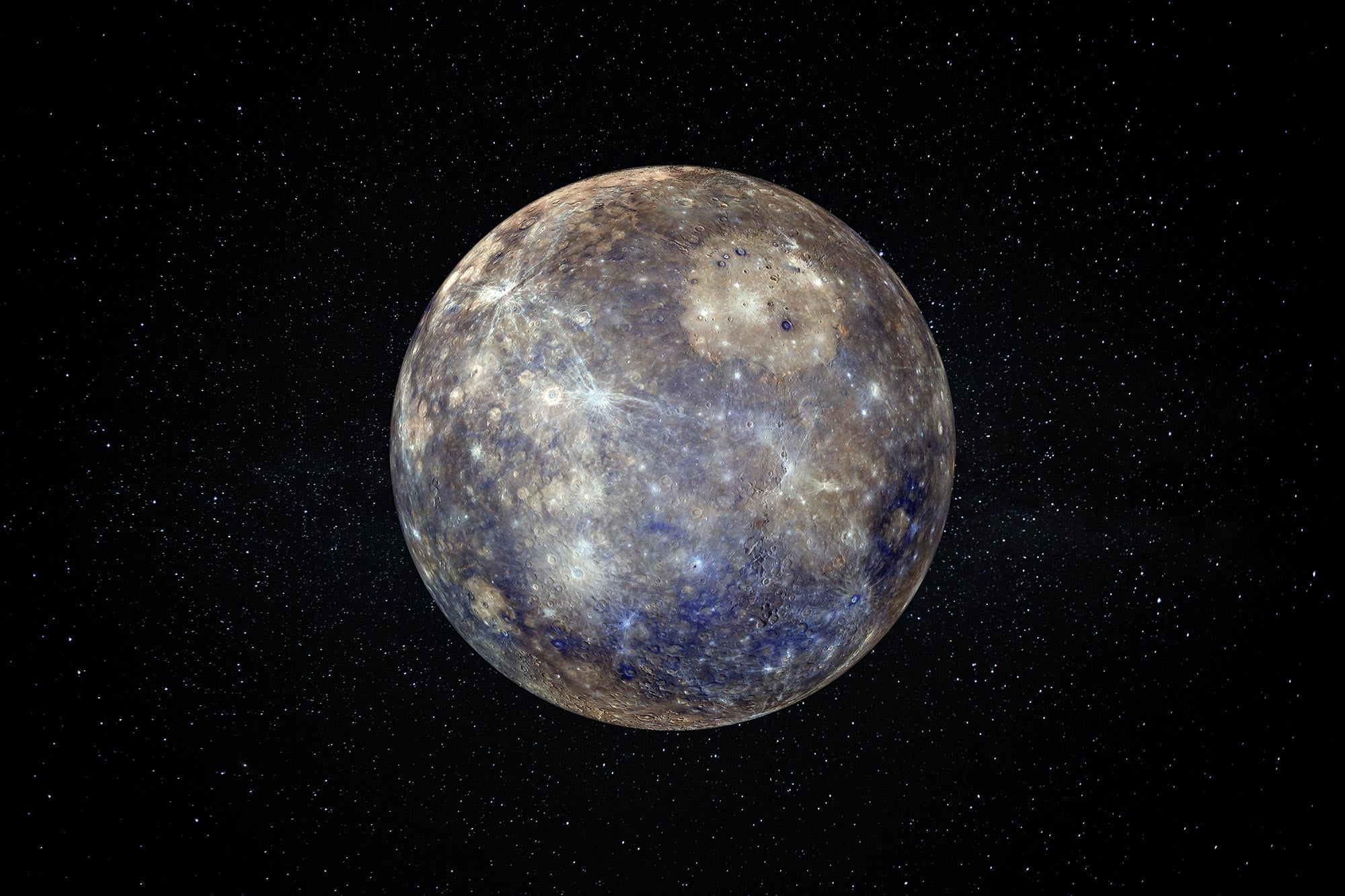
For a long time, the scientific community has been limited by Mercury's extremely high temperature and strong radiation environment close to the sun. It is generally speculated that its outer shell is mainly composed of a single barren volcanic rock rich in magnesium and lacking in iron, based on the limited spectral readings returned by NASA's MESSENGER probe in the early stages. However, this latest study uses an advanced multi-band reflectivity calibration model and simulates the crystallization process in an extremely low oxygen partial pressure environment deep in Mercury's crust. Researchers were surprised to find that previously unrecognized volatile sulfide mineral groups, fine carbon-rich graphite layers, and unusually enriched exogenous impact mixtures are widely distributed on the surface of Mercury. This indicates that Mercury's secondary shell has experienced far more violent and repeated volatile outgassing and magma ocean reshaping than the moon.
This discovery explains the widespread and mysterious "hollows" landforms on Mercury's surface. These shallow craters without impact crater rims have been confirmed to be directly related to the continuous pyrolysis and sublimation of underground highly volatile sulfur salt and graphite mixtures under the bombardment of strong solar winds. This mechanism confirms that despite Mercury's close proximity to the sun and surface daytime temperatures of hundreds of degrees, an unexpectedly large amount of light volatile components are locked up inside its outer shell. The scientific community had previously generally believed that these components had long been volatilized during the intense high-temperature accretion stage in the early stages of Mercury's formation. However, new data show that early Mercury did not suffer complete volatile matter stripping, and the accretion and differentiation processes of its parent protoplanet clearly had completely different physical paths.
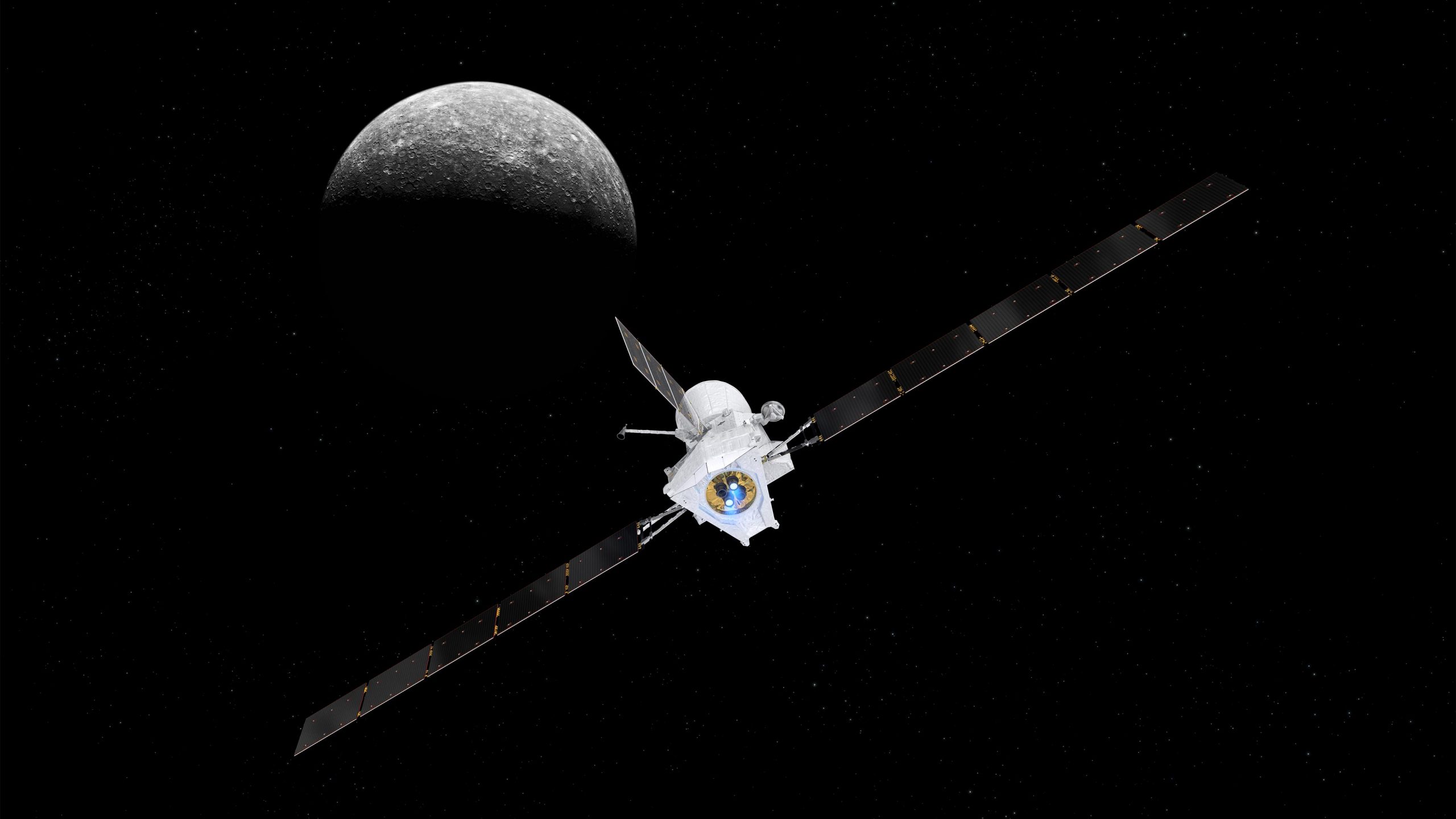
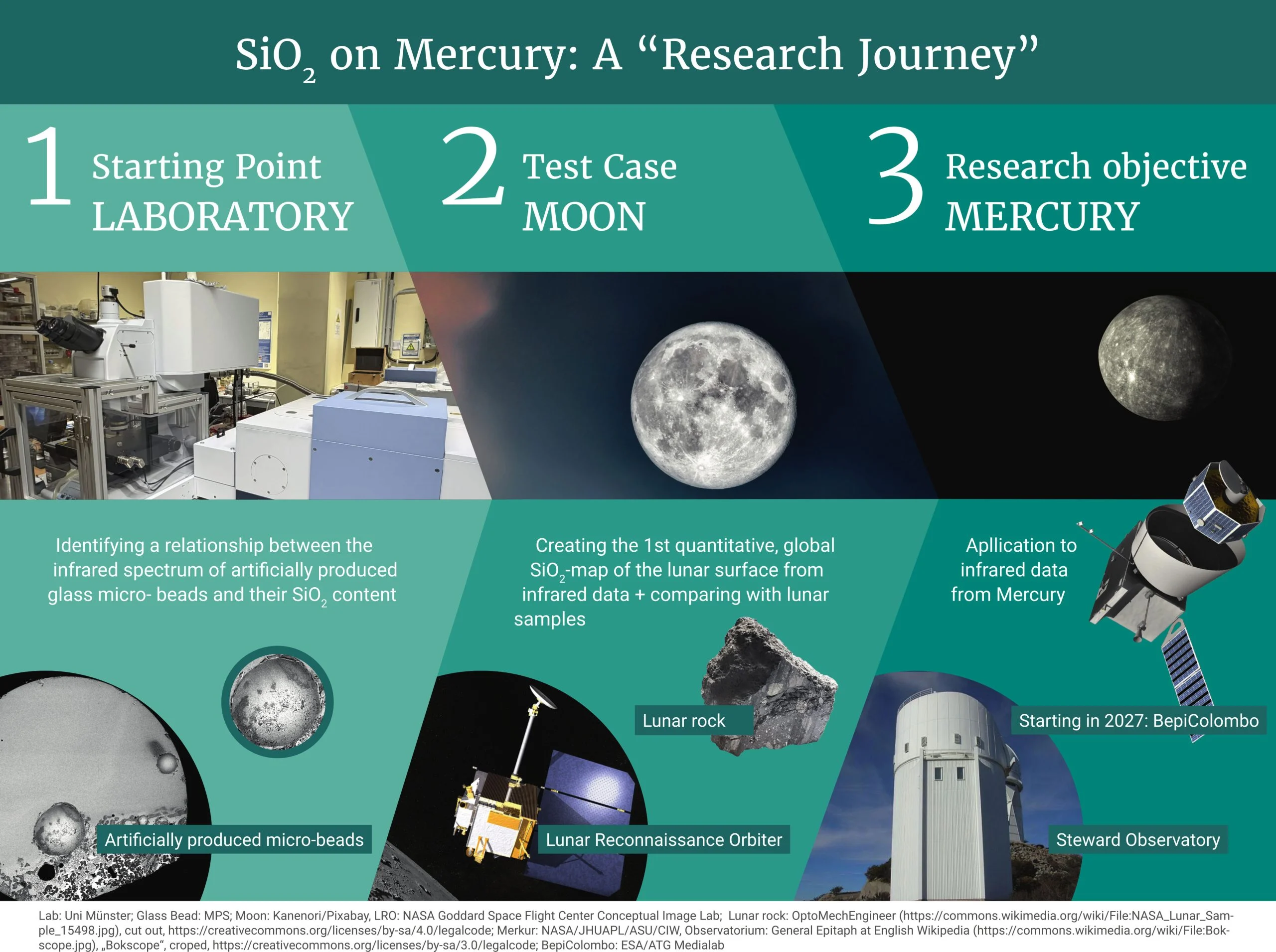
The research team pointed out that this major revision not only rewrites the classic description of Mercury's static and lifeless landforms in basic textbooks, but also provides a new scientific direction for the European-Japanese joint exploration mission "BepiColombo", which is about to fully enter Mercury's orbit. Based on this, scientists will re-plan the key observation areas of the high-resolution X-ray and neutron spectrometer carried by the detector to further clarify the extreme internal structure of Mercury and the evolutionary intertwining between its metallic core and complex crust. This result brings a milestone theoretical advancement to the understanding of Mercury, the "singularity" of the solar system, and even the evolution mechanism of near-star terrestrial planets outside the solar system.
Comments