
Abstract:
At the Qualcomm Snapdragon Summit, Microsoft officially released the second-generation 12-inch Surface Pro 2-in-1 tablet. The new model is fully equipped with Qualcomm's new generation Snapdragon X2 Plus processor, which greatly improves graphics processing, end-side AI computing and battery life efficiency while maintaining a portable fanless design.
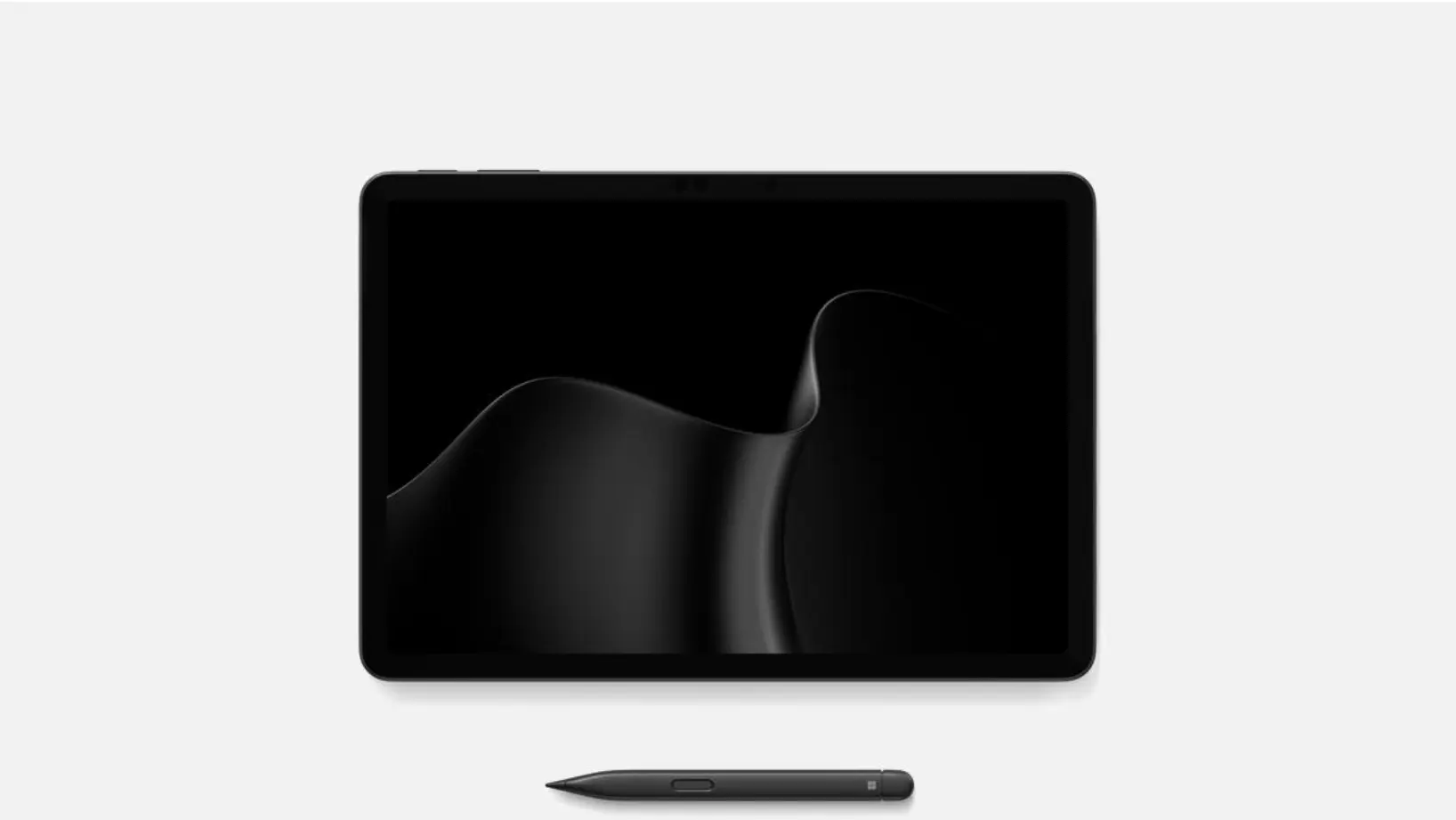
According to official data, thanks to the 6-core Snapdragon X2 Plus chip and the Hexagon NPU with up to 80 TOPS computing power, the new 12-inch Surface Pro has improved device-side AI inference performance by 95% compared with the previous generation, graphics processing performance has increased by more than 60%, and overall efficiency in office scenarios has increased by about 17%. At the same time, the improvement in energy efficiency ratio has increased battery life by 18%, with video playback time up to 15.5 hours and web browsing time increased to 13 hours.
In terms of configuration and appearance, the second-generation 12-inch Surface Pro follows the design of an aluminum alloy integrated body and an adjustable integrated stand, and adds an elegant black color scheme. The screen is equipped with a PixelSense touch screen with a peak brightness increased by 25% to 500 nits. The memory starts from 16GB, and up to 24GB LPDDR5x memory and 512GB storage space are optional. In terms of network connection, in addition to supporting Wi-Fi 7 and Bluetooth 5.4, the new machine also adds a 5G version option that is highly popular in the market, making it easier for mobile office users to stay connected to the Internet at all times. Microsoft also simultaneously launched the stylus-based "Microsoft Ink Canvas" AI canvas application, which supports sketching, annotating, generating images and summarizing text directly on the screen.
The second-generation 12-inch Surface Pro starts at US$1,149.99 and is expected to be officially launched on October 13 through Microsoft’s official store and commercial channels. Industry analysts believe that although the selling price has increased due to rising storage costs, the new machine has significantly improved the performance bottleneck of the previous entry-level Snapdragon chip with its strong end-side AI and graphics computing power, setting a new reference benchmark for thin and light dual-purpose devices.
Comments