
Abstract:
According to the "Washington Post" report, Elon Musk is trying to enter the US mobile phone communications market through SpaceX. After being rejected by the three major telecom operators Verizon, T-Mobile and AT&T, SpaceX has started negotiations with EchoStar, the parent company of the US discount mobile operator Boost Mobile, and is considering acquiring Boost Mobile directly or obtaining the right to use its mobile network through cooperation, thus entering the US$235 billion US wireless communications market.
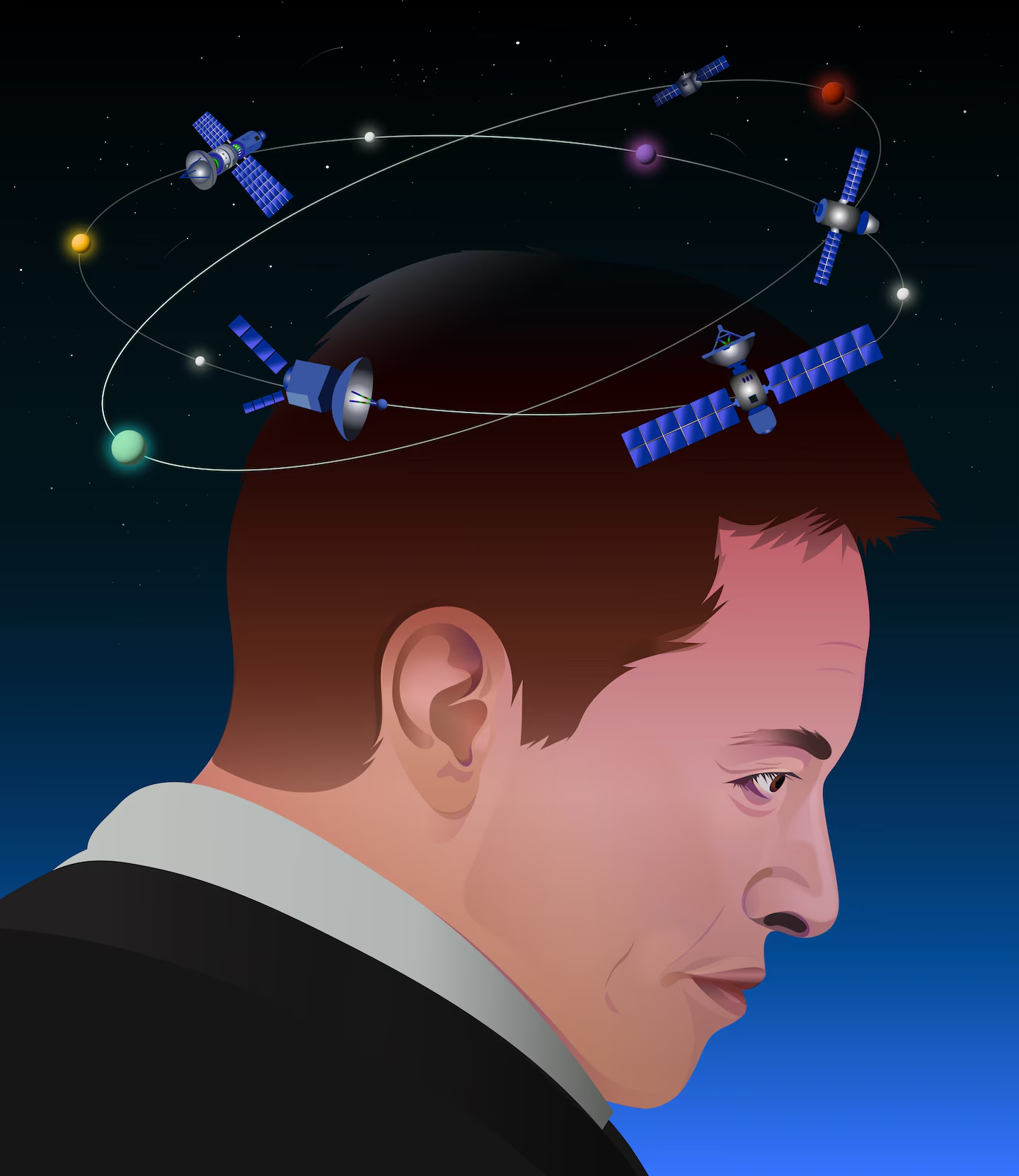
Informed sources revealed that in the past few months, Musk has personally contacted executives of major U.S. telecom operators, hoping to use their existing networks to launch SpaceX’s own brand of mobile communication services. However, Verizon, T-Mobile and AT&T all declined the request.
Now, Musk may have found a way around the three major carriers.
SpaceX has been discussing cooperation options with EchoStar in recent months, according to two people familiar with the negotiations. Musk himself has been involved in the negotiations, meeting with EchoStar Chairman Charlie Ergen last month.
Potential options discussed by the two parties include SpaceX acquiring Boost Mobile or obtaining the right to use its existing mobile network. Boost Mobile mainly targets price-sensitive consumers, and its mobile communication services rely on network lease agreements with AT&T and T-Mobile.
If SpaceX can take advantage of these protocols, it may be possible to quickly launch its own mobile phone service without having to build a nationwide ground communications network from scratch. However, people familiar with the matter pointed out that related network lease agreements generally cannot be transferred without the consent of the original operator, so even if the deal is reached, SpaceX may still need to obtain approval from AT&T or T-Mobile.
Musk’s ambition is not just to launch a new mobile phone operator.
Currently, SpaceX has deployed more than 12,000 satellites in orbit. The company hopes to transform its vast satellite network into a new revenue stream and provide U.S. consumers with a wider range of mobile phone communications services through a combination of satellite communications and traditional terrestrial mobile networks.
SpaceX Chief Financial Officer Bret Johnsen made it clear in a previous earnings call that the company hopes to become a major mobile communications operator in the United States.
Last month, SpaceX also agreed to spend $8 billion to acquire wireless spectrum licenses to support mobile phone communication services in areas where satellite signals are difficult to cover. Musk later said on the social platform
But to truly challenge traditional operators, SpaceX still faces huge technical obstacles.
Satellite industry analyst Tim Farrar, president of TMF Associates, pointed out that SpaceX’s current satellite signals are not enough to provide stable mobile phone communication services indoors and densely populated urban areas. A large number of mobile phones are concentrated in urban environments, and direct satellite connections are far less efficient than traditional terrestrial base stations.
This also explains why Musk is eager to obtain network resources from existing operators. Satellites can supplement communication coverage in remote areas, but urban and indoor communications are still highly dependent on ground base stations. If traditional mobile networks can be used through Boost Mobile, SpaceX can enter the mobile phone service market early while continuing to improve satellite communication technology.
Executives of traditional operators are generally skeptical about SpaceX’s plans. Verizon's CEO previously said that it may take four to six years for SpaceX to build nationwide ground communications infrastructure on its own. Musk believes it will take about half that time.
However, some investors believe that the US telecom giant may have underestimated Musk.
Drew Cupps, portfolio manager of investment management company Polen Capital, pointed out that Musk has previously proven that he can build large-scale infrastructure outside of traditional industries, such as Tesla's super charging network with about 80,000 charging piles around the world.
He believes that traditional operators have reasons to worry about Musk's entry and may also gain competitive advantages from cooperating with SpaceX.
“At the highest level, Musk is actually saying that I can provide data services to hundreds of millions of users in a better way than the existing industry.” Capps said.
He further pointed out that in the next five years, all major U.S. telecom operators may choose to wait and see, or one may take the lead in forming an alliance with SpaceX. And the companies that take the first action may become the ultimate winners.
For SpaceX, mobile phone communications business is also part of Musk’s larger business plan. He hopes to develop SpaceX into a super company that provides multiple services and support its long-term growth goals by expanding revenue sources.
The report pointed out that Musk even linked satellite communication capabilities to future Mars colonization plans, because any Mars settlement requires a reliable communication system.
So far, Verizon and EchoStar have declined to comment, AT&T and T-Mobile have not responded to media inquiries, and SpaceX and Musk himself have not responded. Relevant negotiations are still ongoing and there is no evidence that the two parties have reached a final deal.
Comments