
Abstract:
Microsoft CEO Satya Nadella recently admitted on the "Pragmatic Engineer" podcast that Microsoft's recruitment of fresh graduates and entry-level positions has slowed down. He said that the company's current priority is to rearrange internal employees to more suitable positions. After completing organizational adjustments, it will consider recruiting senior employees or fresh graduates from outside. Nadella said that this pause period may be to establish new software engineering "factories" so that human employees can achieve higher output with the assistance of AI tools.
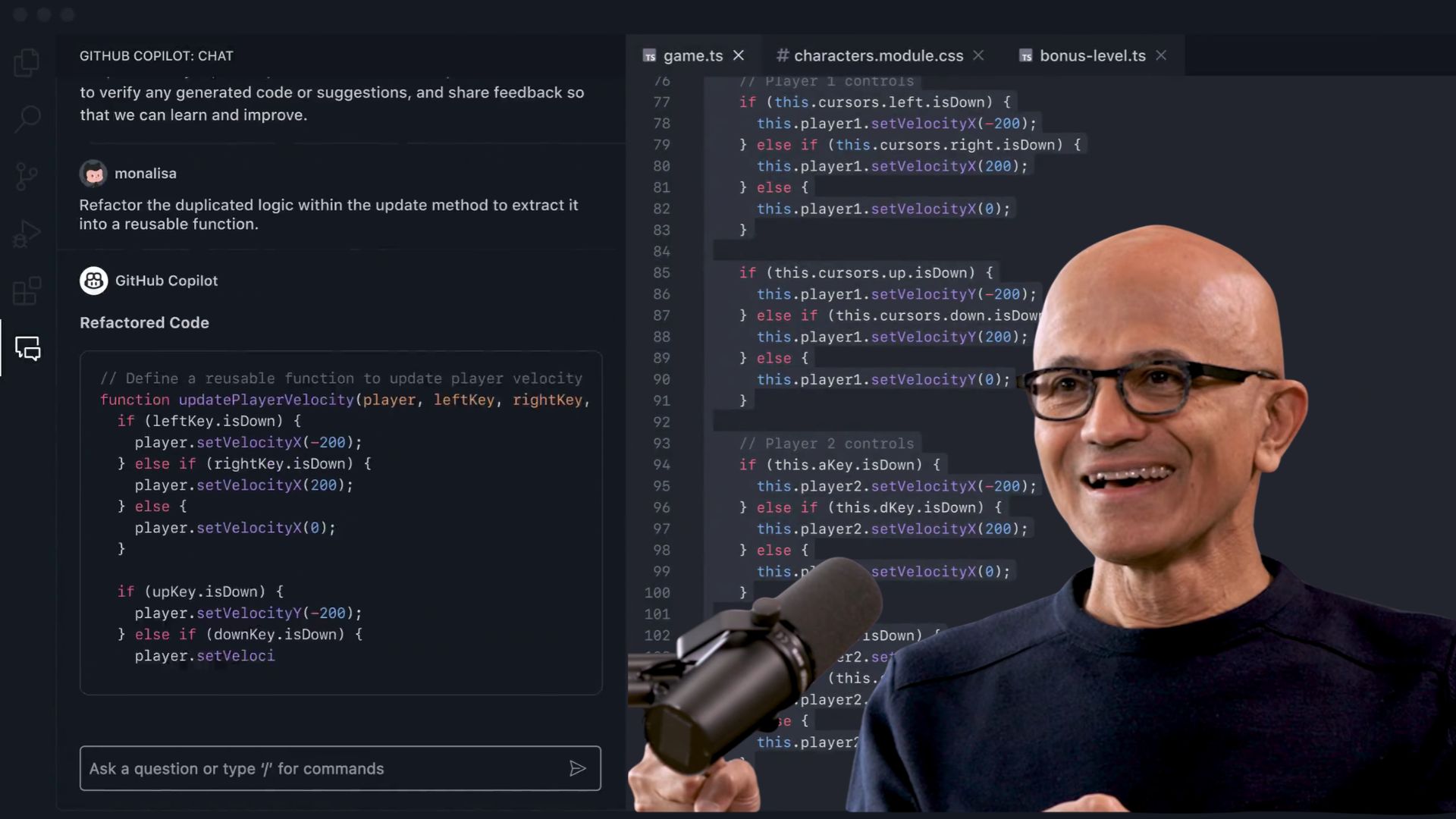
In the interview, Nadella described the employment logic of an "AI-native company": the company first allocates a certain AI token budget to an employee. When the employee uses up the budget, the company will say "let us add the next person." He believes that every company will gradually become this model in the future. The so-called token budget refers to how much the company pays for each employee to call the AI model, because AI models are usually billed according to tokens. However, Nadella also added that it is too early to consider these phenomena as long-term trends.
The remarks are still circulating online more than a week after the interview aired, but many people only heard one sentence. In fact, Nadella's complete answer is more complicated than the fragments circulated, and it is also significantly different from his position at the Davos Forum in January this year. At the time, he said that he still "strongly believed in campus recruiting" and believed that AI could act like a mentor to help new employees become familiar with the code base faster, making the productivity curve for fresh graduates steeper than before. Microsoft was also testing an apprenticeship system that would put senior engineers working alongside a group of recent graduates.
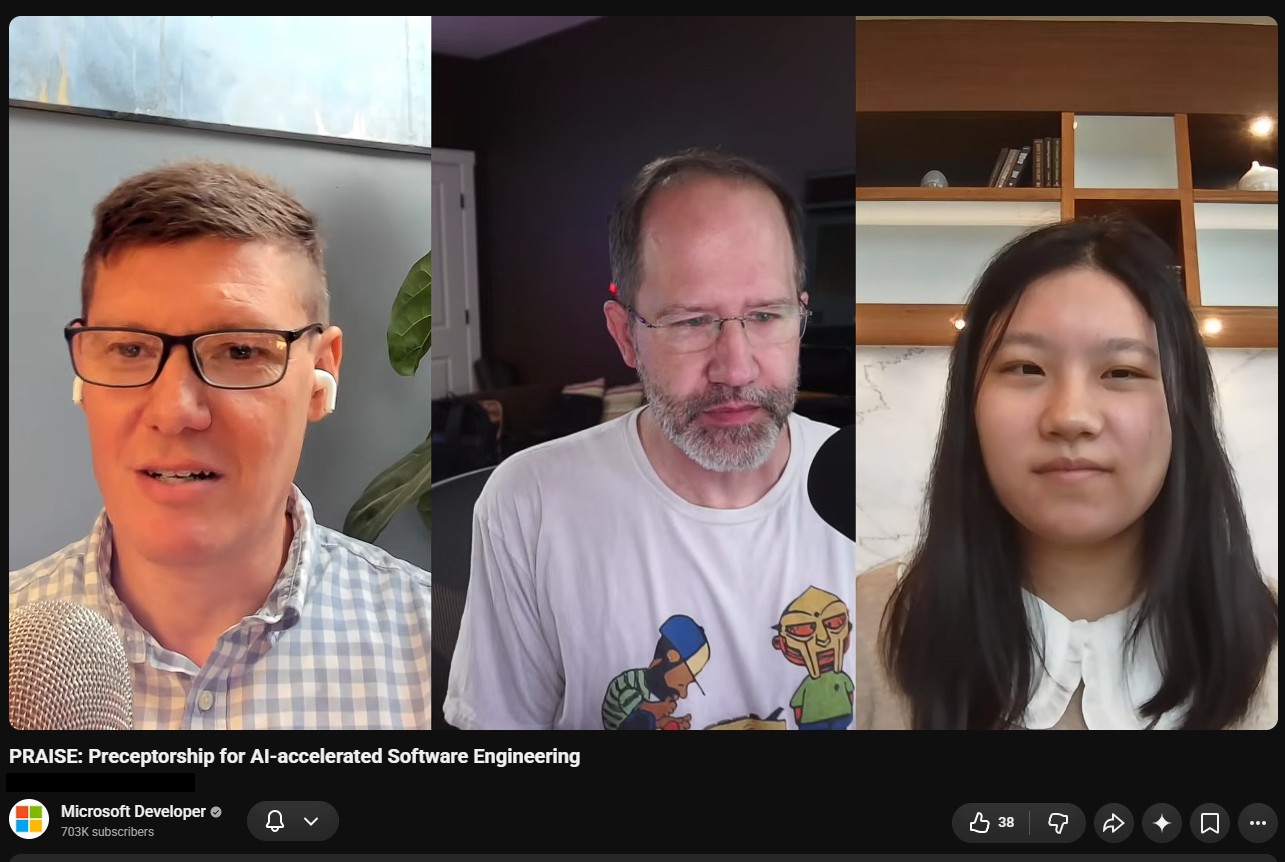
This experiment did come to fruition later. In October this year, Microsoft and Carnegie Mellon University launched the PRAISE project, which stands for the "AI Accelerated Software Engineering Mentor Program." In this program, senior Microsoft engineers mentor early-career engineers, and participants can also take elective courses from Carnegie Mellon University. Microsoft Azure Chief Technology Officer Mark Russinovich said that AI has changed the way work is done, but it has not eliminated the need for junior engineers, nor has it eliminated the need for human judgment and accountability mechanisms. Nadella himself has said that he is willing to participate in such mentoring programs and is concerned about how to get early-career employees to join the team and grow quickly.
However, Microsoft's overall employee data is not optimistic. In November last year, Nadella said that the company's headcount would grow again, but it would be "higher leverage" than before the AI era. However, as of June 30, 2026, Microsoft's number of employees dropped by 5,000 to 223,000. This is the company's first annual employee decline since 2016. Microsoft Chief Financial Officer Amy Hood expects further headcount declines this fiscal year. In the interview, Nadella also responded to the public relations controversy caused by the previous proposed voluntary separation plan for 60,000 employees.
At LinkedIn, owned by Microsoft, CEO Daniel Shapiro also gave a pessimistic judgment on the job market. He told Fortune that there is currently a "frozen job market," which is particularly detrimental to people early in their careers. But Shapiro believes that AI may also help younger job seekers, because employers will assume that they are familiar with the latest tools. He advises job seekers to proactively contact employees at target companies. LinkedIn data shows that this is the fastest way to find a job.
Meanwhile, researchers from MIT and Microsoft Research studied the use of GitHub Copilot at 5,414 multinational companies in a working paper. The study found that companies that used Copilot when software contracts expired and renewed saw a 29% reduction in quarterly technical job postings, with the reduction mainly concentrated in entry-level positions with the most programming jobs. The paper also found that employee turnover rates and the overall number of technical employees remained unchanged, meaning existing employees remained but fewer new employees were hired. This is almost a realistic version of Nadella’s “token budget company.” Ironically, this study focused on Microsoft's own AI tools, and the researchers also included people from Microsoft Research.
Microsoft co-founder Bill Gates is more pessimistic. He wrote in an article in August that “many jobs will be lost forever,” with entry-level and mid-level positions most at risk, while most of the newly created jobs require skills that take years to master. The article raises a question: If companies continue to postpone young people's first jobs, where should graduates go to accumulate experience that takes many years to gain?
Microsoft President Brad Smith seems to be aware of this problem. In June this year, after graduates booed AI at their graduation ceremony, he wrote that “machines don’t buy products, people do.” The token budget company described by Nadella may be very efficient, but someone still needs to be paid to buy the goods and services produced by the company.
Comments