
Abstract:
National Aeronautics and Space Administration (NASA) Administrator Jared Isaacman hopes that the United States can send artificial intelligence data centers into Earth orbit. He believes that sufficient solar energy can alleviate the pressure on the earth's energy while strengthening the United States' position in the space and artificial intelligence competition.
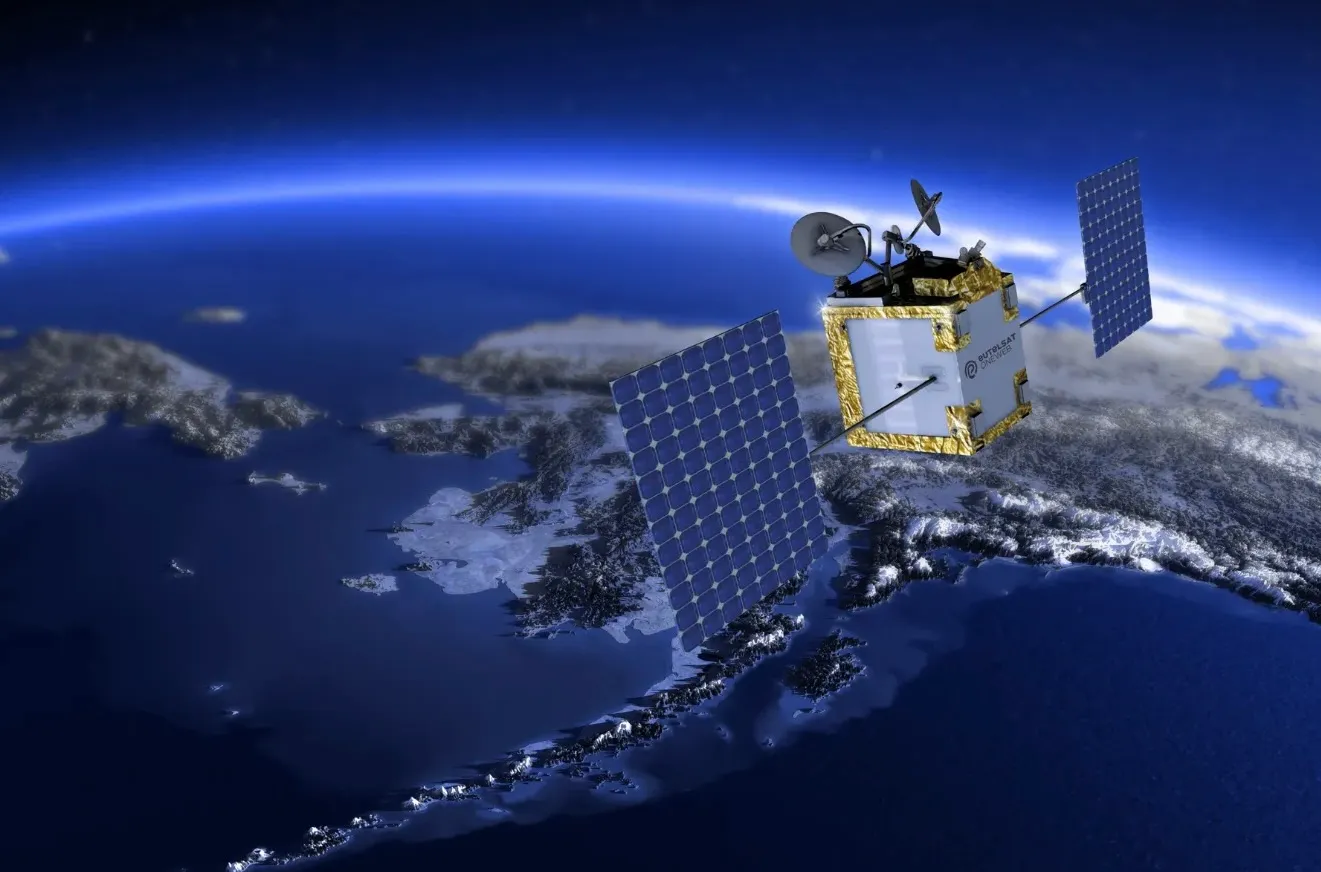
Issacman said in an interview Wednesday: "Let's put data centers into Earth orbit and take advantage of the free fusion reactors that are provided to us there to make sure that we win ... the space race, but also win the artificial intelligence race." He said rail facilities could bring "huge advantages" without competing for the same land and grid capacity as above-ground projects.
Examan’s remarks come as energy pressure from artificial intelligence is increasing. Lawrence Berkeley National Laboratory estimates that data centers could consume 11.8% of U.S. electricity by 2030, with the proportion ranging from 9.5% to 15.3% under different scenarios. The International Energy Agency predicts that global data center electricity use will roughly double from 485 terawatt hours in 2025 to 950 terawatt hours in 2030.
Isaacman’s friend and SpaceX CEO Elon Musk is more optimistic about this. He once said that for AI computing, "space is the only way to achieve large-scale computing power expansion," and SpaceX is expected to launch an orbital data center next year. Isaacman had previously been optimistic about Musk's bet, saying "there is no reason to think that the idea cannot be implemented."
SpaceX is no longer stuck in the concept sketch stage. Its “Starmind” project plans an AI1 computing power satellite with a peak computing power of up to 250 kilowatts, equipped with a solar array and a laser communication link connected to the Starlink. SpaceX said that its factory in Bastrop, Texas, can mass-produce thousands of AI satellites as early as the end of 2027; at the same time, the prospectus documents show that it aims to launch the first batch of modular orbital AI computing capsules before the end of this decade.
Industry giants have different views on orbital computing power
Other executives in the aerospace industry have different views on this. Rocket Lab CEO Peter Baker calls space data centers "the next frontier in computing infrastructure" and his company is developing solar arrays specifically for high-power on-orbit systems.
However, Matt Garman, CEO of Amazon's AWS, believes that this idea is "still far from reality." Constraints include limited launch capacity and high payload costs.
It was reported in April this year that even SpaceX issued a warning in its IPO documents: Orbital AI relies on unproven technology and may never achieve commercial implementation.
Comments