
Abstract:
Foreign PCGH forum user FoxX11 recently shared a strange hardware repair experience. He successfully rescued a seriously malfunctioning GTX 1080 graphics card by using a home oven at a high temperature of 130°C.
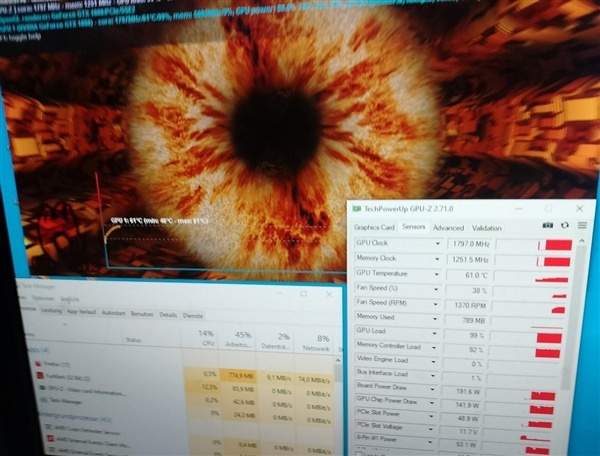
This graphics card used to automatically crash 10 to 15 minutes after being turned on. Now it can run the donut stress test stably after heat treatment.
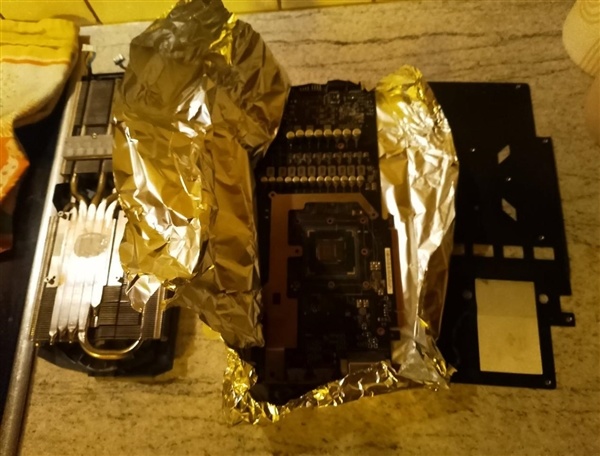
According to the netizen, based on the symptoms of frequent crashes of the graphics card, he determined that the solder joints under the core or video memory had a cold soldering phenomenon, which is commonly known as virtual soldering.
In order to try to repair it, he removed the main radiator of the graphics card, but retained the passive cooling of the video memory part. Then he wrapped the entire circuit board tightly with aluminum foil and put it in the oven for heating.
During the specific cooking process, he set the oven to circulating air mode, controlled the temperature between 120°C and 130°C, and continued to heat for 35 minutes.
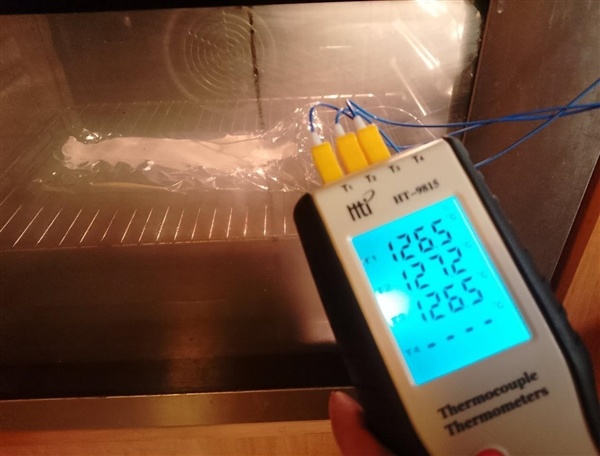
In order to ensure nothing goes wrong, he also placed multiple independent temperature sensors inside the oven to prevent errors in the temperature control components of the oven causing the graphics card to be completely scrapped.
The experimental results are surprising. This old flagship has regained its vitality after experiencing high temperature. In subsequent tests, the graphics card successfully passed the high-load Furmark test without the previous crash.
However, the effectiveness of such repair methods is often time-sensitive. According to PCGH official survey data, although about 80% of those who try it say they can be successful, about two-thirds of them will relapse within a year.
Comments