
Abstract:
An unprecedented pattern of pollution has appeared on the coast of Okinawa, Japan. Researchers found that melted plastic had seeped into the skeleton of dead coral and permanently bonded with its structure, forming a new type of pollutant named "plastic coral." This phenomenon not only leaves new environmental traces for human activities, but may also have long-term impacts on coral reef ecosystems.
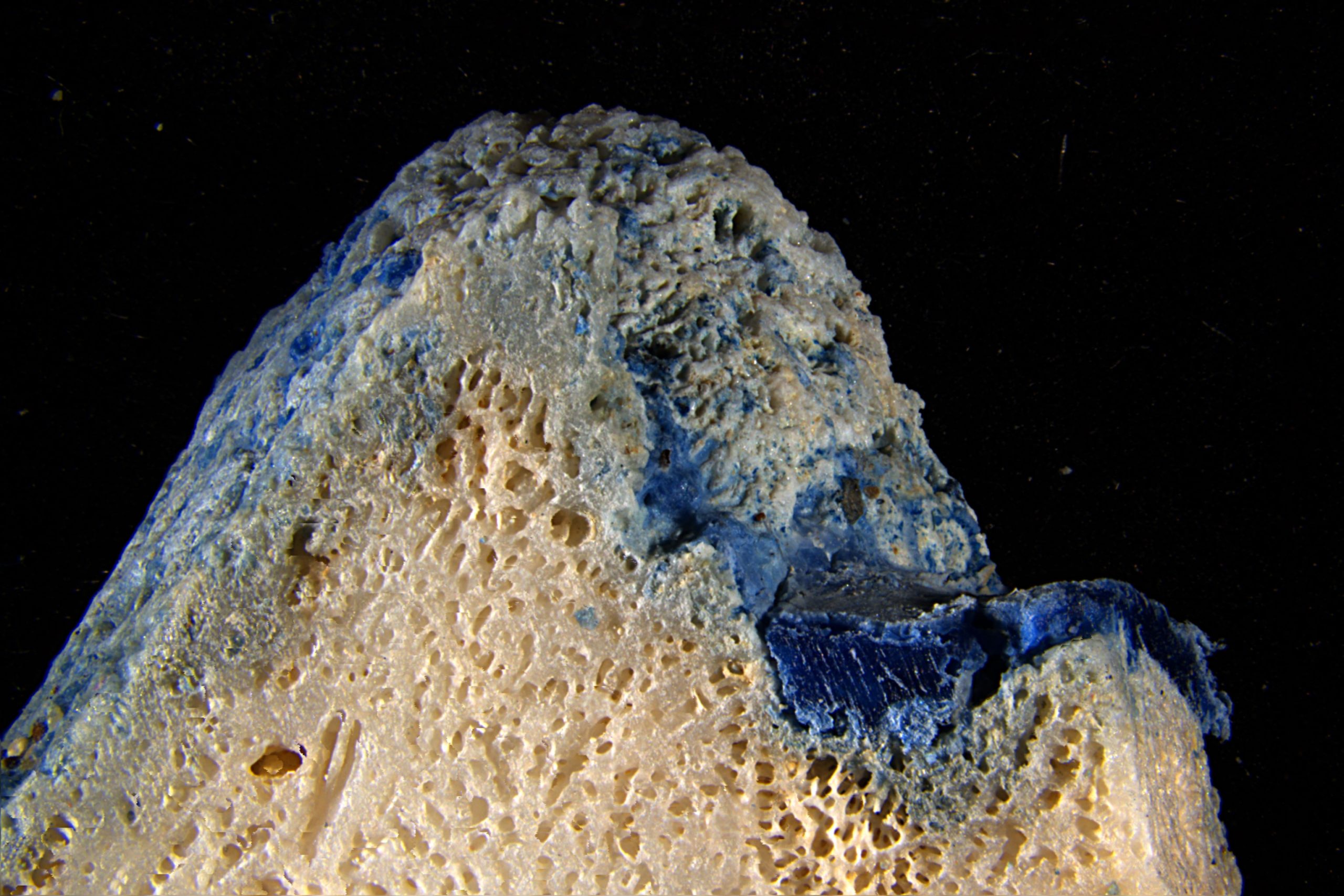
Researchers point out that while man-made materials such as cement and steel will gradually weather over time scales of thousands of years, plastics are extremely durable. Future geologists are likely to identify strata from the 1950s onwards as a special era composed of vast amounts of synthetic materials, which some scholars have dubbed the "Plastic Age."
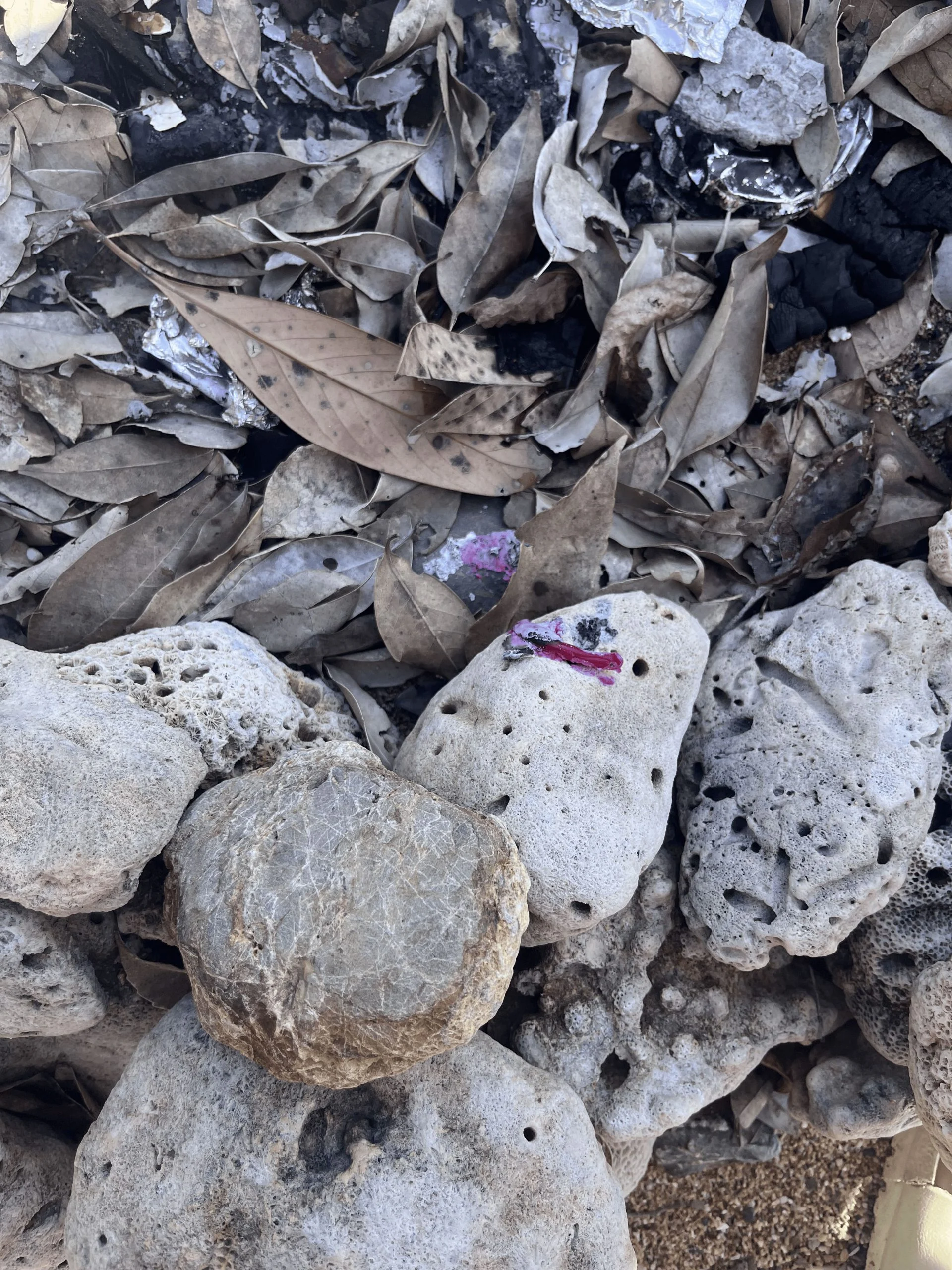
On the beaches of Okinawa, Japan, the research team observed brightly colored tiny particles mixed in between fragments of light-colored coral. Researchers from Okinawa Institute of Science and Technology and the University of the Ryukyus then brought the samples back to the laboratory for testing through microscope observation and spectral analysis. The results showed that these particles were actually polymers from daily plastic products. After being melted by heat, they penetrated into the tiny pores of the coral skeleton and were firmly combined with the coral structure to form an inseparable complex.
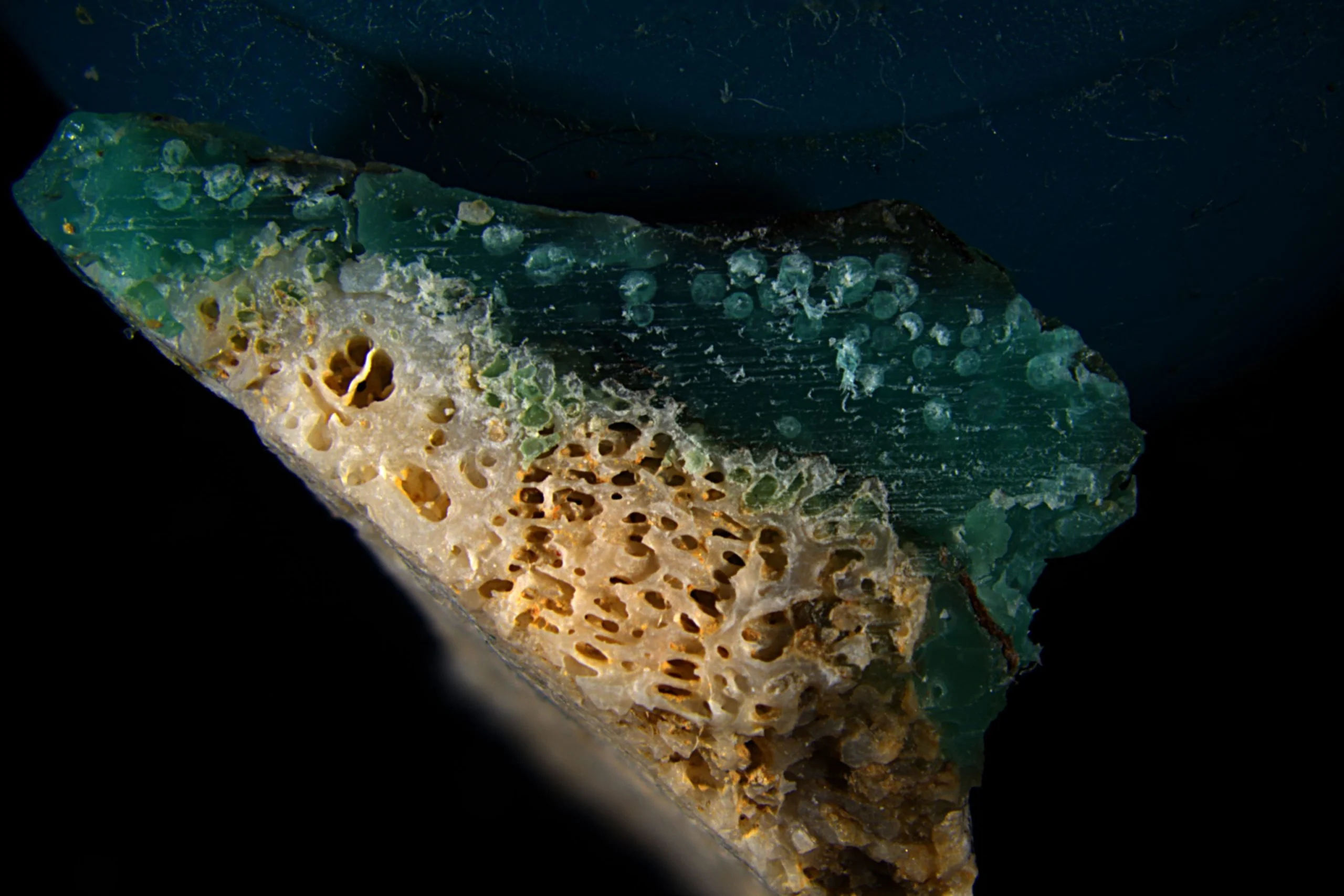
Research samples were mainly collected from beaches in protected areas in northern Okinawa, including multiple coasts within the boundaries of Yanbaru National Park. Researchers believe that beach bonfires may be one of the important reasons why plastic melts due to heat and seeps into coral pores, but the specific source of these plastic fragments has not yet been conclusively confirmed.
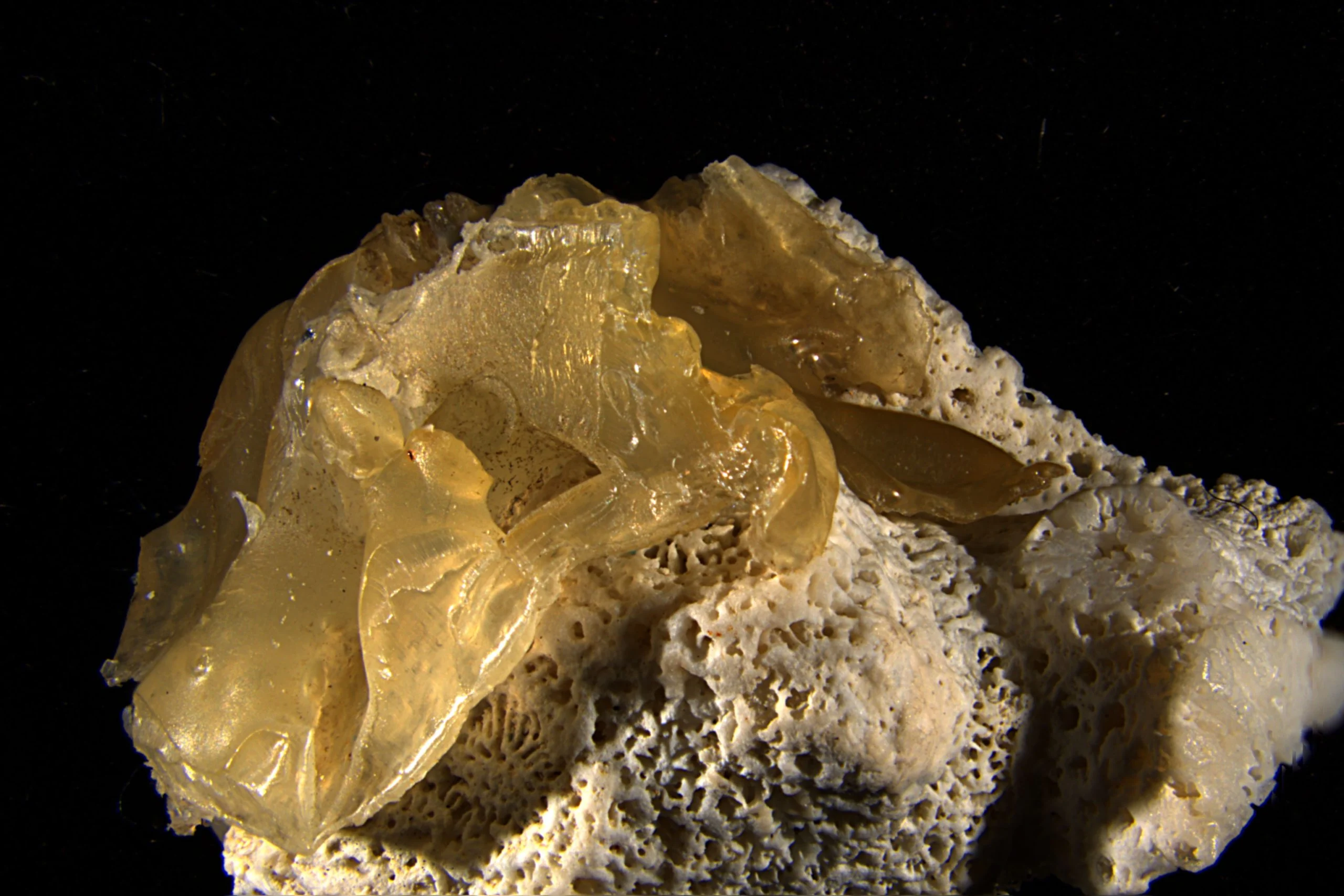
The material belongs to a larger category called plasticites, new composites formed by the fusion of plastics and natural substances. In a research paper published in the Marine Pollution Bulletin, lead author Dr. Ifena Ilechukwu and her team coined the name "plastic coral" specifically for this particular type of coral-bonding.
Coral debris is not worthless waste, scientists say. When these fragments are brought back to the ocean by waves, they can provide a platform for new corals to attach and grow. Their irregular structures can also provide shelter for juvenile fish and other small marine organisms to avoid ocean currents and predators. Therefore, when plastics enter these critical habitats, they may pose additional threats to coral reef ecosystems already affected by climate change and other anthropogenic pressures.
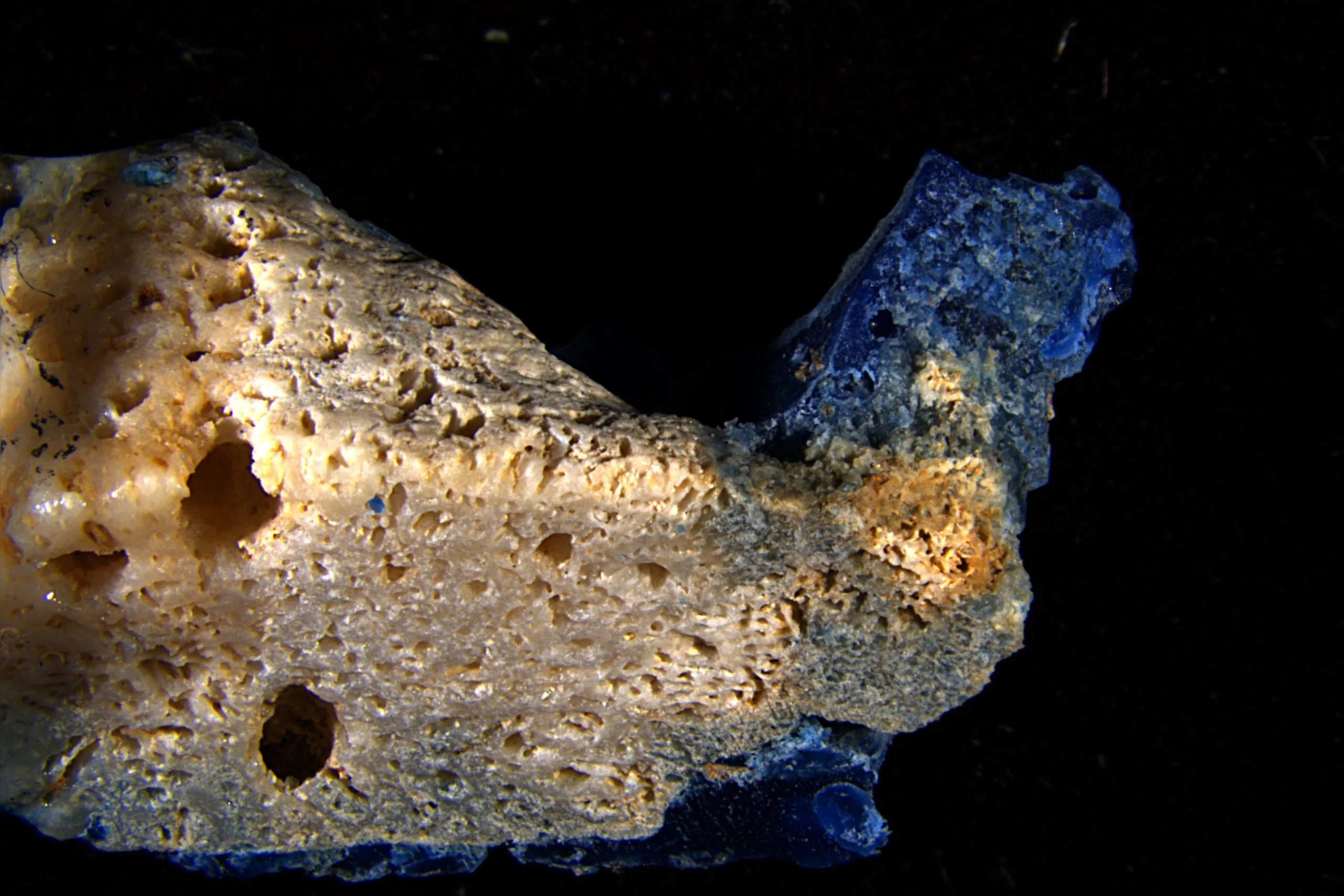
Previous research has shown that chemicals released from common plastic polymers may interfere with coral reproduction. In addition, plastic fragments can act as vectors for coral pathogens and pass them up the marine food chain. Researchers believe that these mechanisms may become important ways for plastic corals to harm the ecosystem.
The research team emphasized that further research is still needed to assess the specific impact of plastic corals on coral reef life, and to confirm whether they will continue to release toxic substances and how these substances will affect the marine ecological environment. This discovery not only reveals new forms of interaction between plastic pollution and the natural environment, but also provides new research directions for understanding the long-term legacy effects of plastics in the earth's ecosystem.
Comments