
Abstract:
Nvidia has confirmed that its controversial DLSS 5 graphics technology will officially support RTX 40 series graphics cards in the future. However, the company still regards the RTX 50 series as the primary optimization target, and has not promised that the RTX 20 and RTX 30 series will also receive official support. At the same time, Nvidia stated that ordinary players can only enable or disable DLSS 5 through the switch, and developers have more detailed screen control rights.
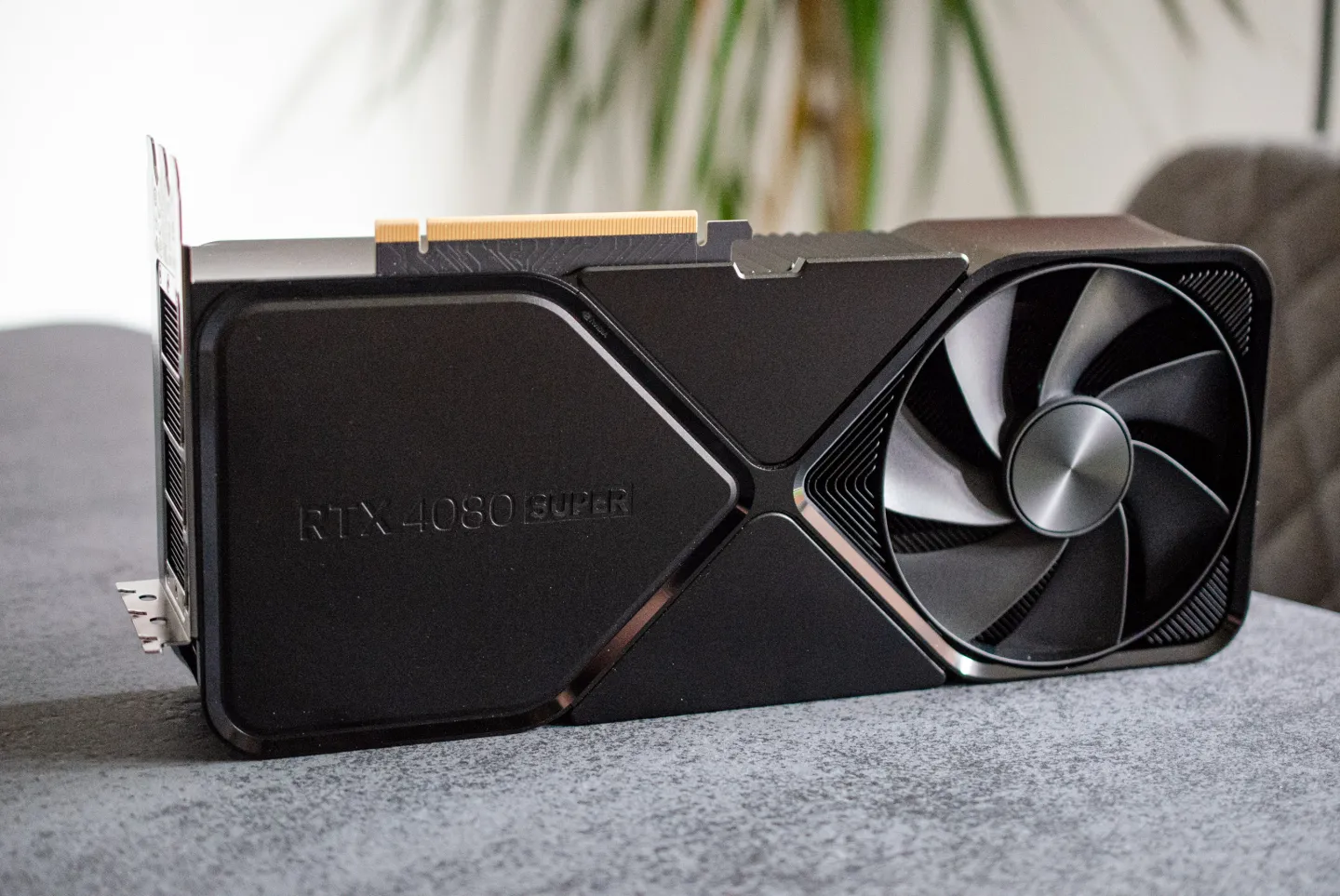
DLSS 5 was originally planned to be officially launched on the evening of September 3. The first supported game is "NBA 2K27". Initially, it will only be available for RTX 50 series graphics cards. NVIDIA has previously emphasized that developers have complete control over their own artistic creation direction. However, before the official release, private modifiers have ported the leaked version to almost all graphics cards and adjusted various parameters to the highest level. Nvidia has now adjusted its original plan and confirmed that the RTX 40 series will also receive official support.
Nvidia spokesperson Rajal Maharaj told The Verge that the company’s current focus remains on optimizing the RTX 50 series, and model updates are expected later this fall. After the performance of the RTX 50 series has been more fully adjusted, NVIDIA will begin to expand official support for the RTX 40 series.
As for the earlier RTX 20 and RTX 30 series, NVIDIA has not yet committed to providing official support. Maharaj said that the company’s current focus is of course the RTX 50 series, and that it will not consider the RTX 40 series until this series reaches the ideal state. Previously, private modifiers had successfully made DLSS 5 run on RTX 20 and RTX 30 series graphics cards, but the actual effect was not ideal, with problems such as low frame rates and frequent crashes.
As the technical details of DLSS 5 are gradually disclosed, whether players can freely adjust various parameters like modifiers has become the focus of attention. The answer given by Nvidia is no. The company confirmed that DLSS 5 on the player side will adopt a simple switch design, while more detailed artistic control will be left to the developers.
Developers can select models, adjust Structure Intensity and Tone Intensity, and use automatic masking and custom pixel-by-pixel masking. These features allow developers to apply varying degrees of AI processing to different screen elements, rather than letting players directly modify underlying parameters.
However, Nvidia also said that developers can put some control options into the game's own settings menu like other graphics technologies. Early DLSS super-resolution also only had on-off options, but now many games allow players to choose different image quality levels, or even directly adjust the rendering resolution ratio. Therefore, whether DLSS 5 will provide more adjustable options in the future still depends on the developer's specific implementation.
A major feature of DLSS 5 is that developers do not have to manually tell the system whether each object in the scene is tableware or furniture. The AI model can automatically identify and separate different objects in the scene, such as faces, textiles, and vegetation, and then apply varying degrees of AI processing to these elements.
For scenes that require more precise control, developers can also use semantic AI masks to allow the system to automatically identify scene objects; game engine-level masks can also be used to allow artists to individually specify objects such as glassware, water droplets, or vegetation, and apply custom neural lighting adjustments to these elements.
NVIDIA has provided native plug-ins for Unreal Engine 5, as well as corresponding software development kits. Developers can apply DLSS 5 to the entire game, or they can apply it differently based on different scenes, cutscenes, or specific parts of the game. Nvidia also said that the DLSS 5 model will run on every frame, so there is no minimum frame rate requirement.
However, the controversy caused by DLSS 5 has also made the outside world pay attention to whether games that were originally announced to support this technology will continue to maintain relevant plans. The company's response is that more games are being launched one after another, and many developers are also actively integrating DLSS 5. After partners complete the integration, Nvidia will share upcoming game updates. This statement means that whether some games that originally promised to support this technology will still join DLSS 5 in the future may need to wait for further confirmation.
Comments