
Abstract:
NVIDIA released the Rubin HPC GPU for high-performance computing at the SC26 conference, aiming to accelerate simulation and data processing in the fields of science, engineering and data analysis, and help AI agents complete the scientific research and design process from hypothesis to verification faster. This product belongs to Nvidia's Vera Rubin platform and is expected to be available in 2028.
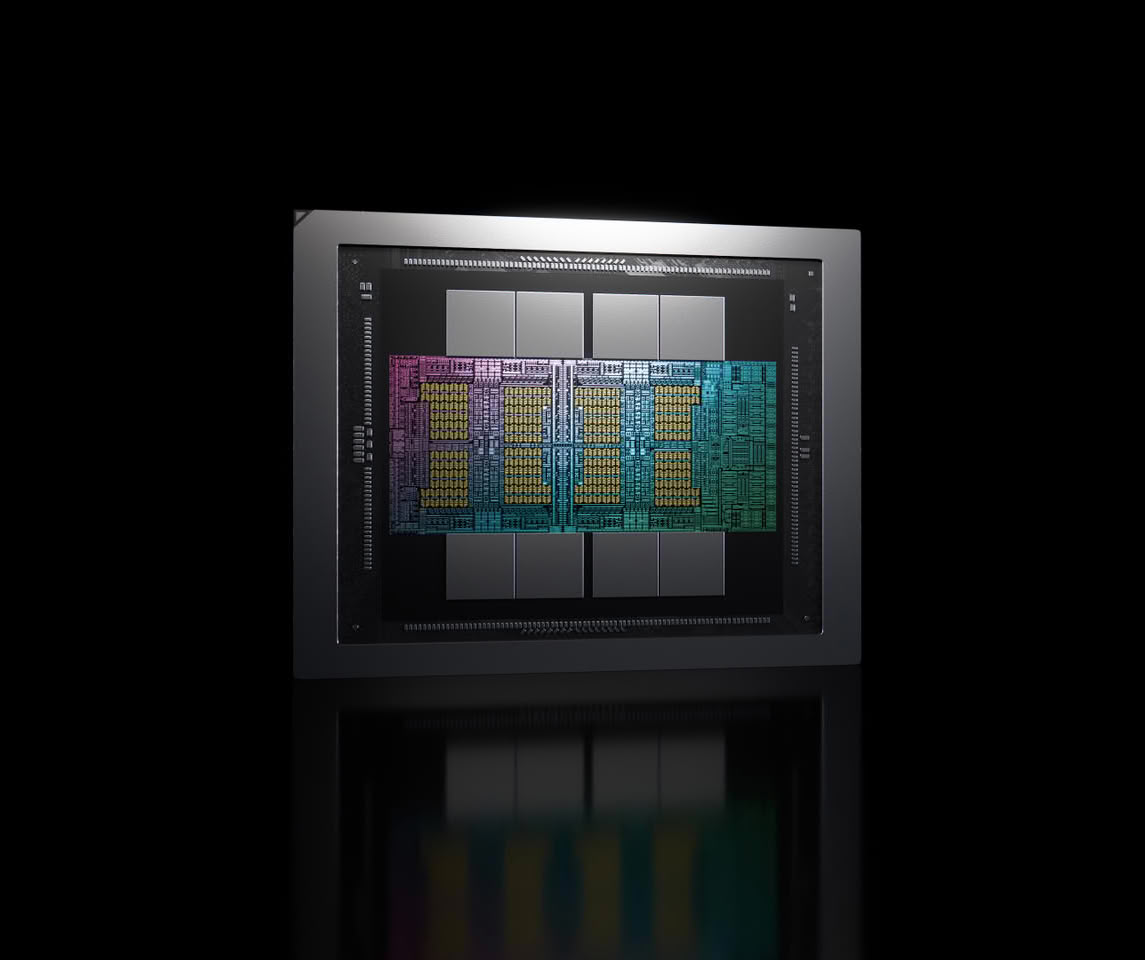
Nvidia stated that as AI agents assist scientists and engineers in exploring more candidate materials, molecules and design solutions, these solutions must rely on simulations to test and guide subsequent decisions. Rubin HPC is designed to meet such large-scale simulation needs, with the goal of shortening the path from exploration to scientific discovery and industrial design implementation.
Rubin HPC GPU is equipped with more than 50,000 CUDA cores, setting a record for the number of CUDA cores in a single GPU. It also has sparse data acceleration capabilities, which can continuously provide data to the core during the calculation process; it also uses seventh-generation NVIDIA NVLink interconnect technology to improve communication efficiency between GPUs.
Ian Buck, vice president of ultra-large-scale and high-performance computing at Nvidia, said that for agents handling scientific and engineering tasks, faster simulation means faster discovery. Rubin HPC can accelerate the simulations used by agents to test ideas and determine next steps, helping researchers and engineers explore more possibilities and make breakthroughs come earlier.
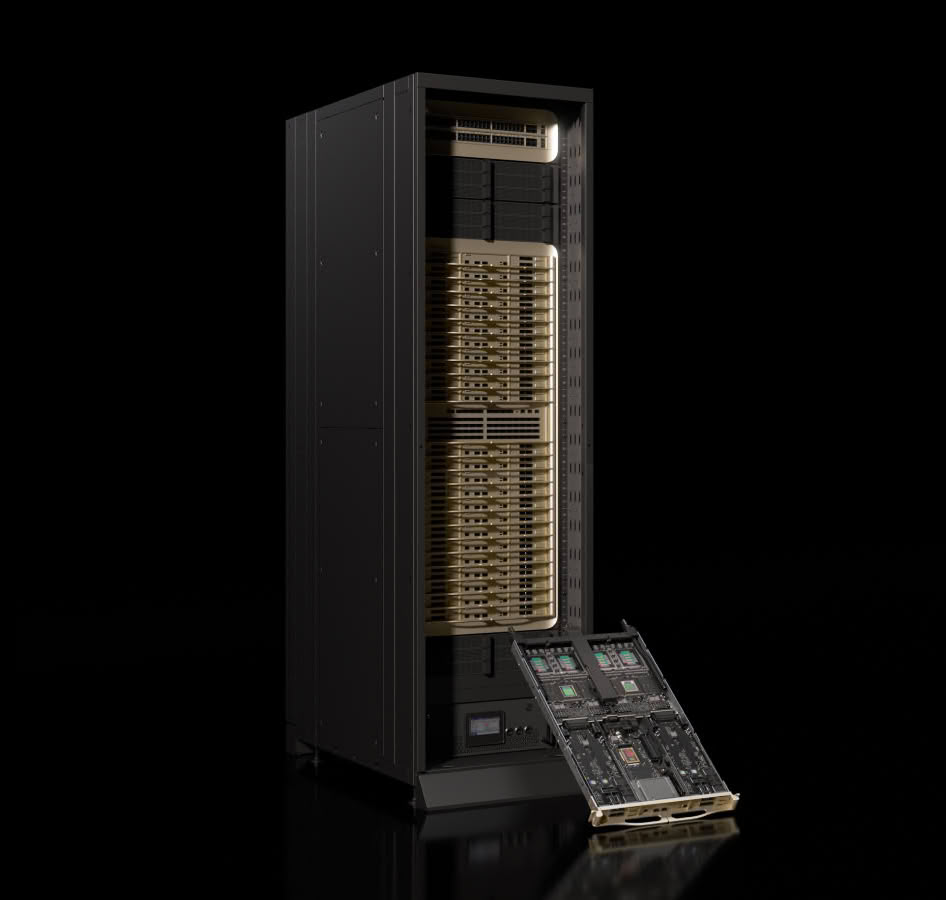
From climate models and engineering simulations to genomic analysis and financial risk calculations, scientific computing workloads often share similar characteristics: Applications need to extract discrete values from huge data sets, complete calculations, and then execute them repeatedly at extremely large scales. To this end, Rubin HPC adopts a balanced design that simultaneously expands data handling and computing power, rather than simply stacking computing power.
This design ensures that the huge CUDA core of the GPU continues to obtain data, reduces waiting time, and uses more resources for actual calculations. Nvidia said Rubin HPC can accelerate recurring computing patterns in simulation workloads such as sparse matrix operations, template calculations, sorting and reduction, and these patterns are widely found in data analysis, scientific research and engineering applications.
NVIDIA also emphasized that the CUDA-X software library will provide implementations optimized for complex algorithms, covering key tasks in the fields of simulation and analysis. When used in conjunction with Rubin HPC, these libraries can help agents obtain inference results faster, shorten the cycle of "proposing hypotheses, running simulations, and optimizing solutions", allowing researchers to determine the next step earlier and focus laboratory resources on the most promising candidates.
Rubin HPC is expected to be officially launched in 2028. Nvidia positions it as a dedicated high-performance computing GPU for science, engineering and data analysis, hoping to promote cross-industry scientific research and industrial innovation with higher simulation speed and stronger data throughput capabilities.
Comments