
Abstract:
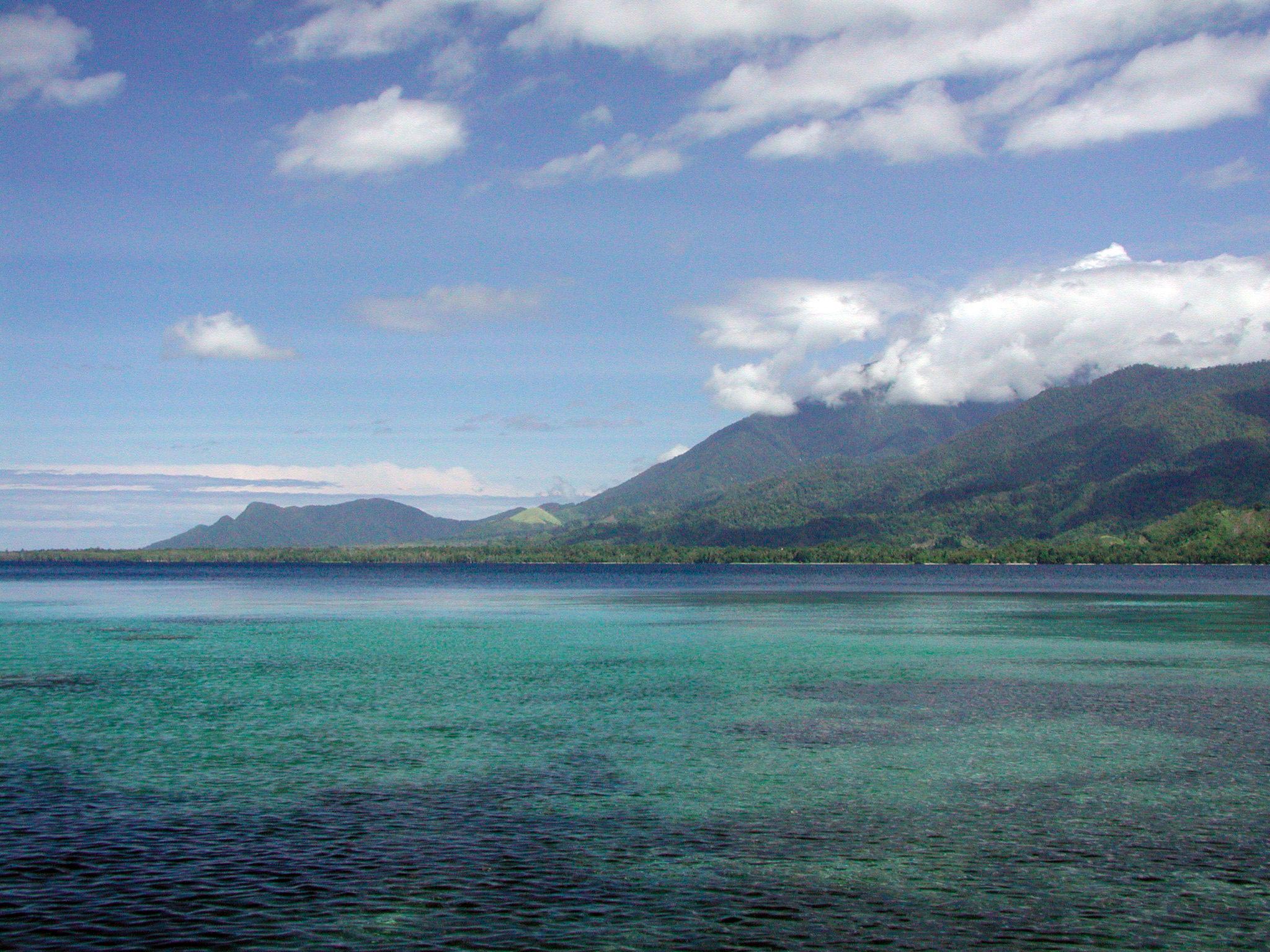
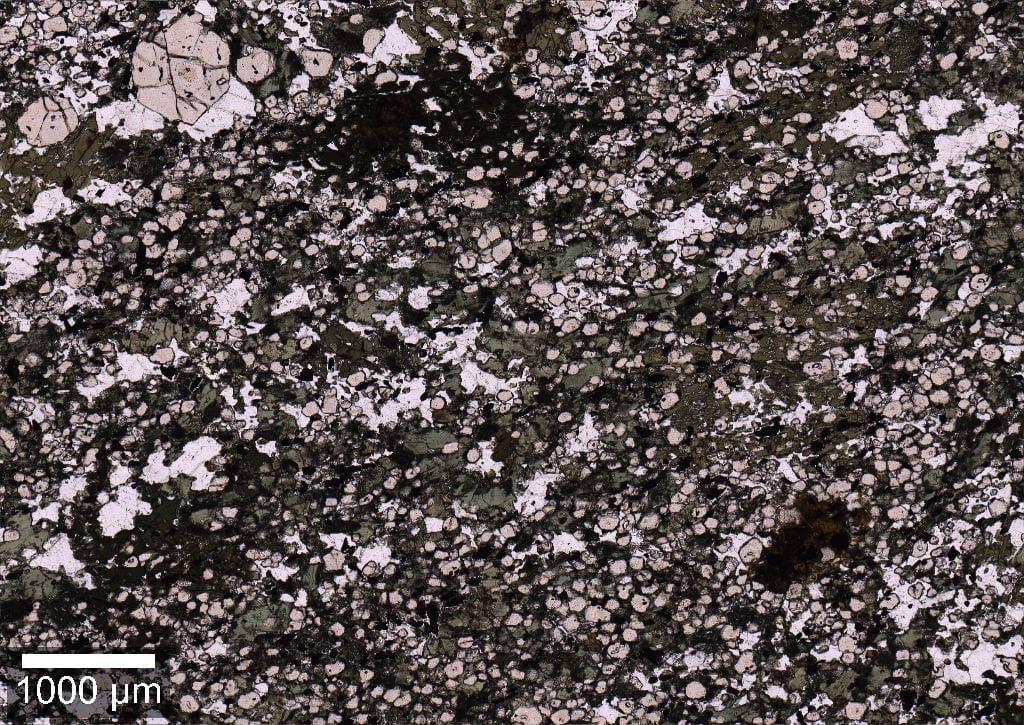
The research team analyzed a piece of eclogite collected from Goodnough Island in Papua New Guinea and reconstructed its process of sinking with the subducting plate about 4.4 million years ago, penetrating deep into the mantle and then returning to the surface. The garnet in the rock is wrapped with tiny coesite. This mineral requires extremely high pressure to form, proving that the rock has sunk to a depth of at least 90 kilometers; the local temperature is estimated to be about 800 degrees Celsius.
The temperature record left behind by the rocks shows that the geothermal gradient in the early stages of subduction was higher than expected by current models: at a depth of about 45 kilometers, the temperature has reached about 700 degrees Celsius, which is only about 100 degrees Celsius lower than at a depth of 90 kilometers. Researchers believe that the thermal state experienced by rocks when they sink is relatively hot at first, and then transitions to a relatively cold subduction environment; the "cold" here means that the temperature corresponding to unit depth is lower, and does not mean that the temperature of the rock becomes lower as it goes deeper. The study also speculates that the vertical dive speed may exceed 60 millimeters per year in the later period.
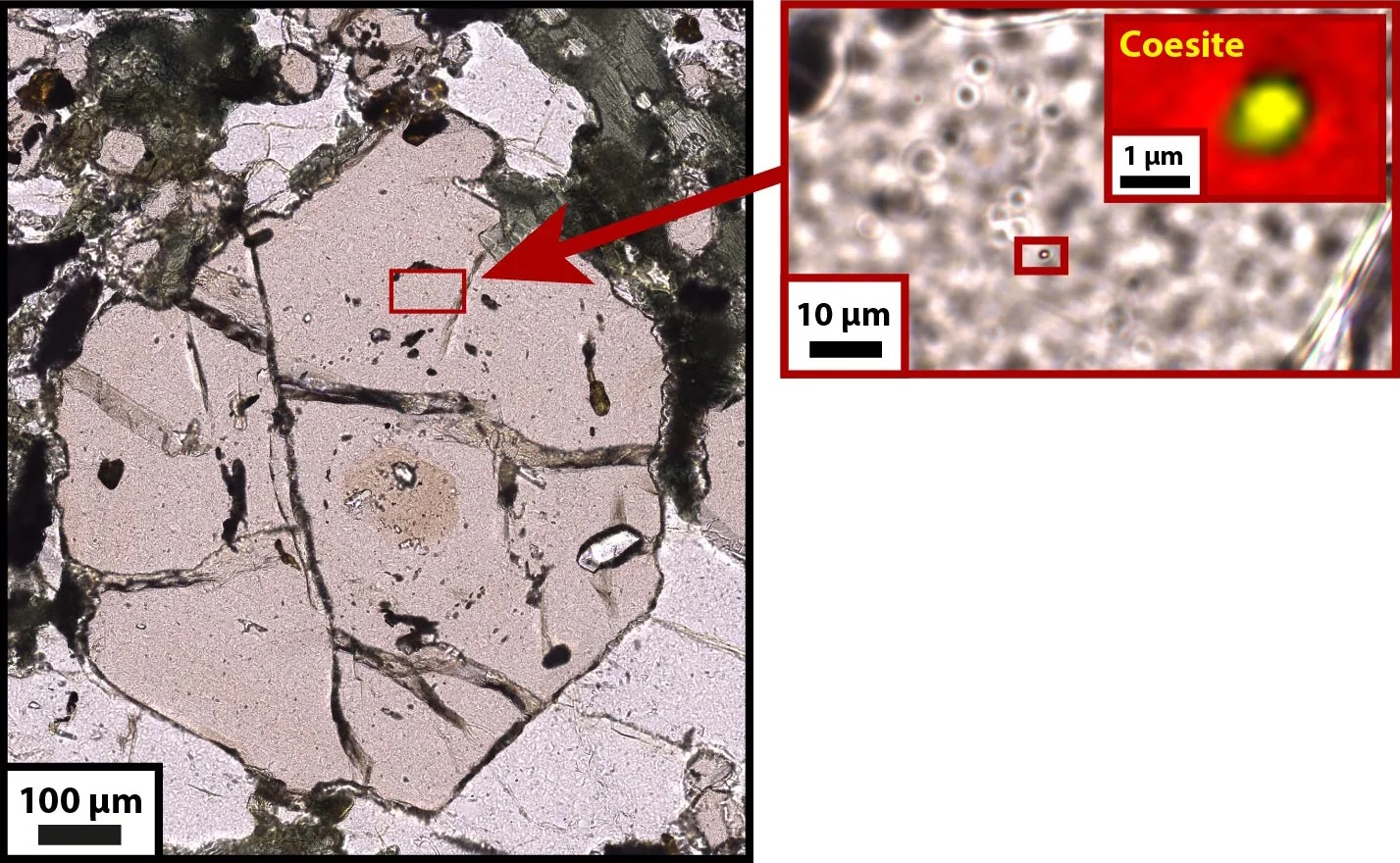
The research was published in Nature Earth Science. The team tracked the pressure-temperature evolution of this rock by analyzing mineral inclusions in garnet, temperature and pressure conditions, and zircon uranium-lead age. The sample was collected as early as 2003 during a scientific expedition. With the help of subsequent analysis techniques, researchers were able to restore its underground journey in more detail.
The research team proposed two possible explanations: Shear friction caused by plate boundary sliding may make the shallow part of the subduction hotter than previously estimated; it may also be that this younger subduction zone has not yet developed to a stable stage, and therefore has not yet cooled to the temperature predicted by the mature subduction zone model. The two factors may also work at the same time. For now these remain explanatory hypotheses.
Subduction zones are important areas for strong earthquakes and volcanic activities. They also bring carbon and other materials into the mantle and participate in the earth's long-term carbon cycle. The researchers pointed out that this rock shows that the peak temperature and pressure when the deep rock was formed may not be enough to restore its previous sinking process; more complete thermal history data is expected to help improve earthquakes, volcanic activity and geochemical cycle models.
Comments