
Abstract:
Medical testing can often be stressful and uncomfortable, especially among children, and even just taking a saliva sample isn't always easy or pleasant. In order to solve this problem, a research team from the University of Southern California developed a new testing device shaped like a lollipop, hoping to make medical testing simpler, more natural and easier to accept.
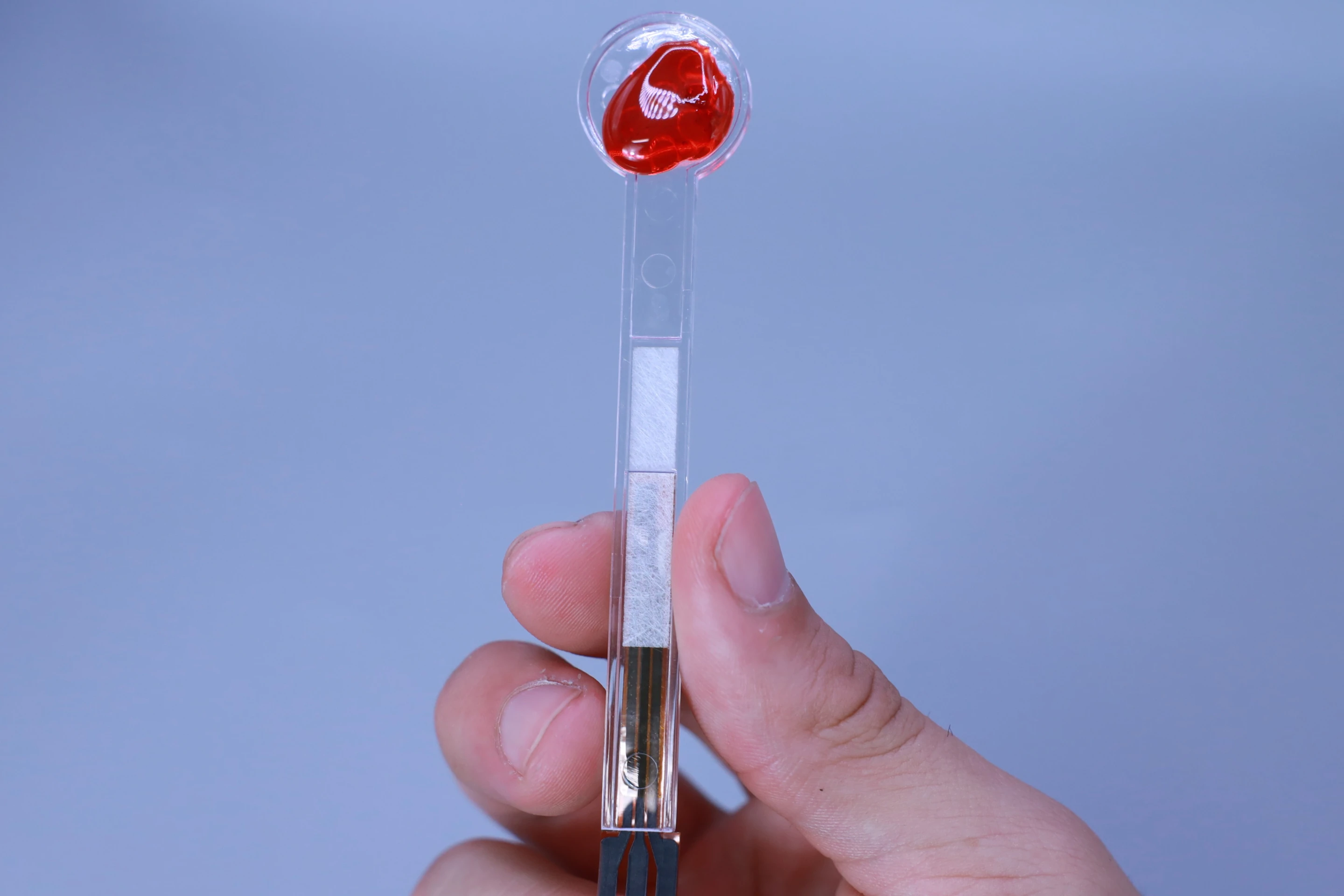
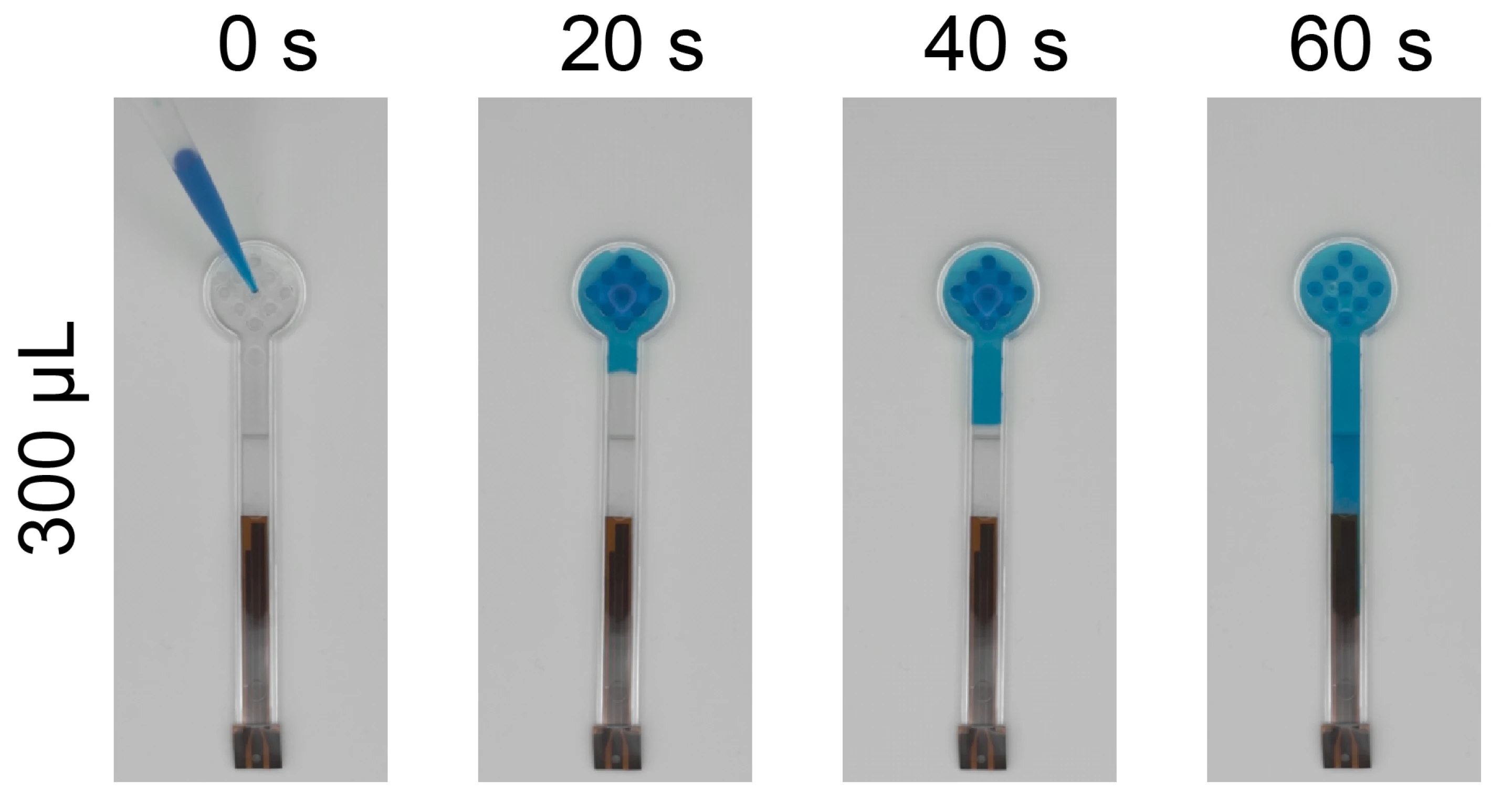
The device called "Lollylab" integrates a micro laboratory inside. The device consists of two plastic components, a circular structure with tiny holes on top, and a fiberglass channel covered with paper material below. When a user licks the device, saliva enters the interior through the holes and flows along the channels to the bottom sensor, a process that only takes about a minute.
The research team is currently targeting acetaminophen for testing. This ingredient is widely found in pain relievers and cold and flu medications. Although it is a common over-the-counter drug, overdose may cause serious health problems, especially damage to the liver. For children, the risk of overdose due to dose calculation errors is of greater concern.
The reason why scientists chose acetaminophen as the first test object is that its concentration in saliva can more accurately reflect the level of the drug in the blood. This means that in the future, people are expected to replace part of the blood drawing operation with simple saliva testing to achieve more convenient drug monitoring. The entire test requires a very low sample volume, only about 0.3 ml of saliva, which is equivalent to about six drops.
In order to improve the user experience, the researchers coated the device with a red peach-flavored candy shell. This design is not just for fun, but has a clear practical purpose. The familiar lollipop shape can reduce the resistance of users, especially children, making them more willing to actively complete saliva collection.
In terms of core detection technology, Lollylab uses laser-induced graphene electrodes. The material has been widely used in wearable health devices, environmental monitoring sensors and water treatment systems. When saliva containing acetaminophen reaches the surface of the electrode, it triggers a specific chemical reaction and produces an electrical signal that can be recorded and analyzed, enabling drug detection.
The research team conducted verification tests on the device using artificial saliva and real human saliva. In a small trial, six adult volunteers took acetaminophen and then licked Lollylab to provide samples. The results showed that the device was able to successfully detect drug ingredients within two minutes. Participants generally believed that this testing method was more convenient, comfortable, and more acceptable than the traditional swab collection method.
However, researchers pointed out that this technology is still in the early stages of research and development, and Lollylab is still an experimental prototype product for the time being, and further verification is needed before it can be widely used in clinical and home scenarios. In the future, the team plans to conduct larger-scale human studies and try to expand the technology to the detection of other drugs and biomarkers.
If follow-up research goes well, this innovative solution of hiding a micro-laboratory in a "lollipop" is expected to change the traditional medical testing model and provide patients with a more non-invasive, fast and friendly health monitoring method. Not just children, many adults may also be happy to accept such a seemingly easier testing method.
Comments