
Abstract:
A research team from the Korea Advanced Institute of Science and Technology (KAIST) and Seoul National University Bundang Hospital has developed a wearable microfluidic eye patch with the goal of helping astronauts inject eye drops on their own in a microgravity environment. The research was published in the journal Sensors and Actuators B: Chemistry. NASA pointed out that microgravity will cause body fluids to move toward the head, which may increase eye pressure and cause vision problems; while ordinary eye drops rely on gravity to fall into the eyes and are difficult to use in a weightless environment.
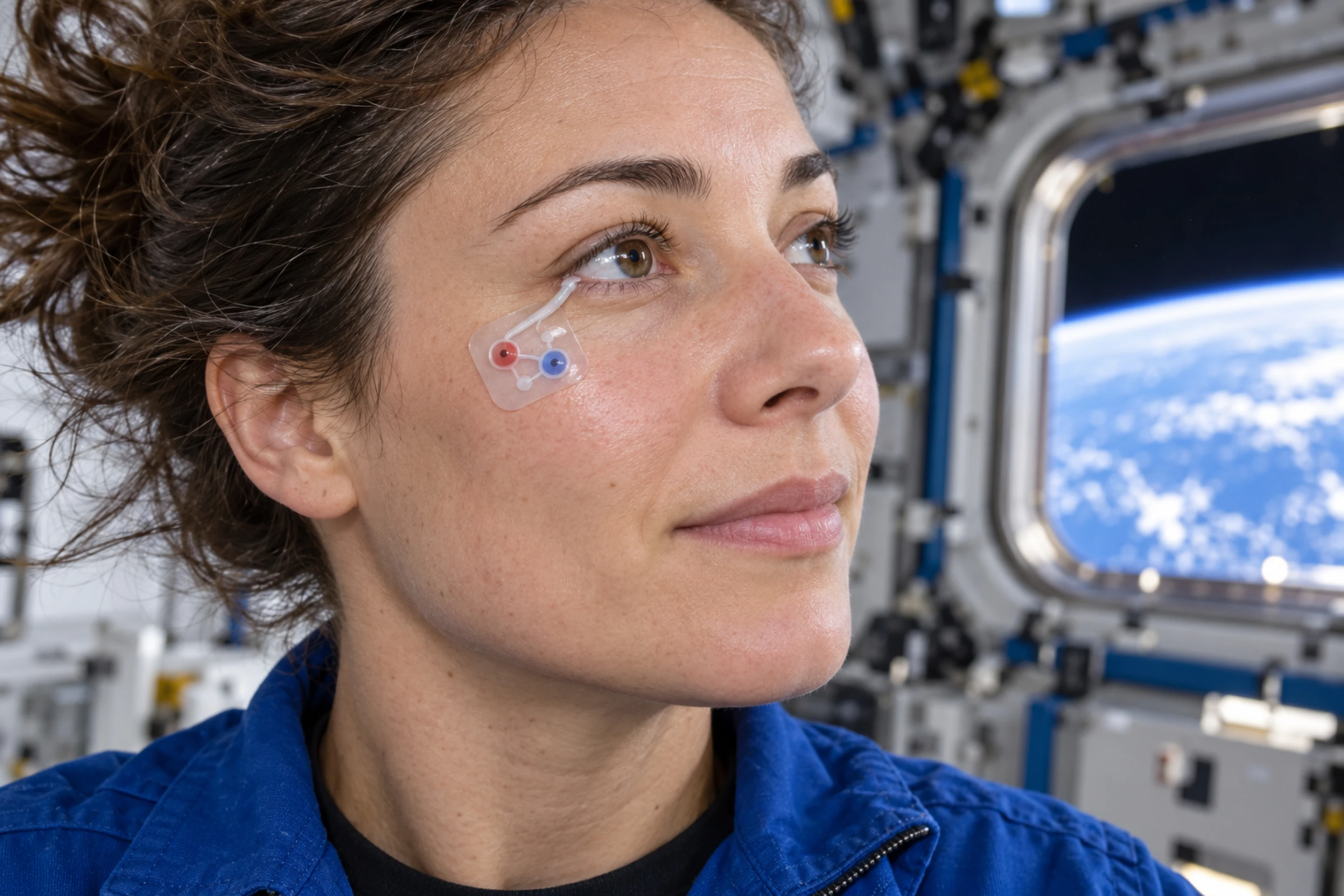
This self-dropping microfluidic patch is made of flexible material and can be attached next to the eye. It has a liquid storage chamber, a chemical reaction chamber and a microchannel inside. When the user presses the activation area on the patch, the pre-soaked fabric releases a small amount of water, allowing it to come into contact with ascorbic acid (vitamin C) and sodium bicarbonate, the main ingredients of baking soda, to create carbon dioxide. Gas pressure pushes the pre-filled solution along the microchannels to the canthus of the eye, eliminating the need for batteries or external pumps.
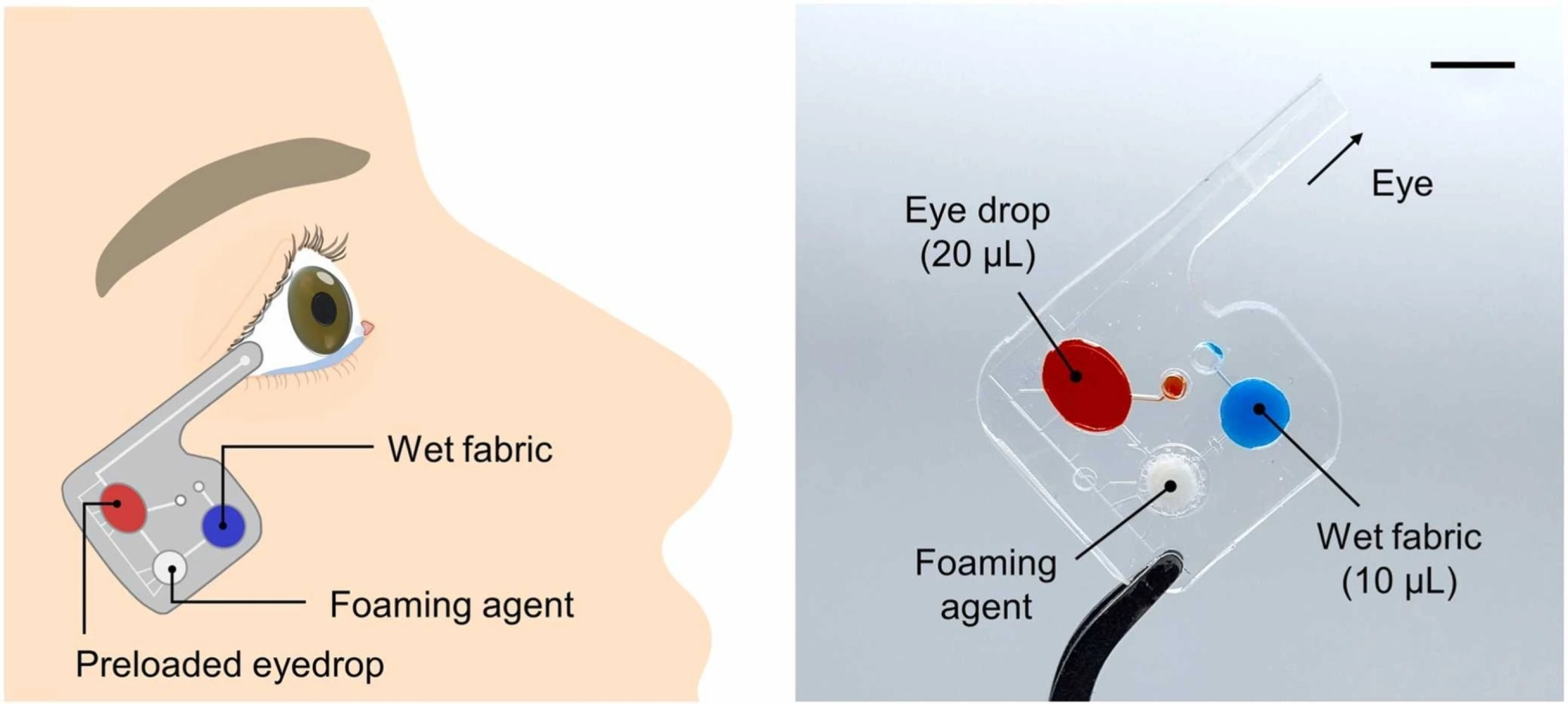
There is an air-permeable and liquid-blocking filter layer between the reaction chamber and the liquid chamber, allowing gas pressure to pass through while separating the reactants and eye drops, reducing the risk of mixing the two. After testing under different gravity directions, the team found that the patch could release the medicinal solution relatively stably; in the human wearing evaluation on the ground, its drug delivery performance was similar to that of traditional eye drops.
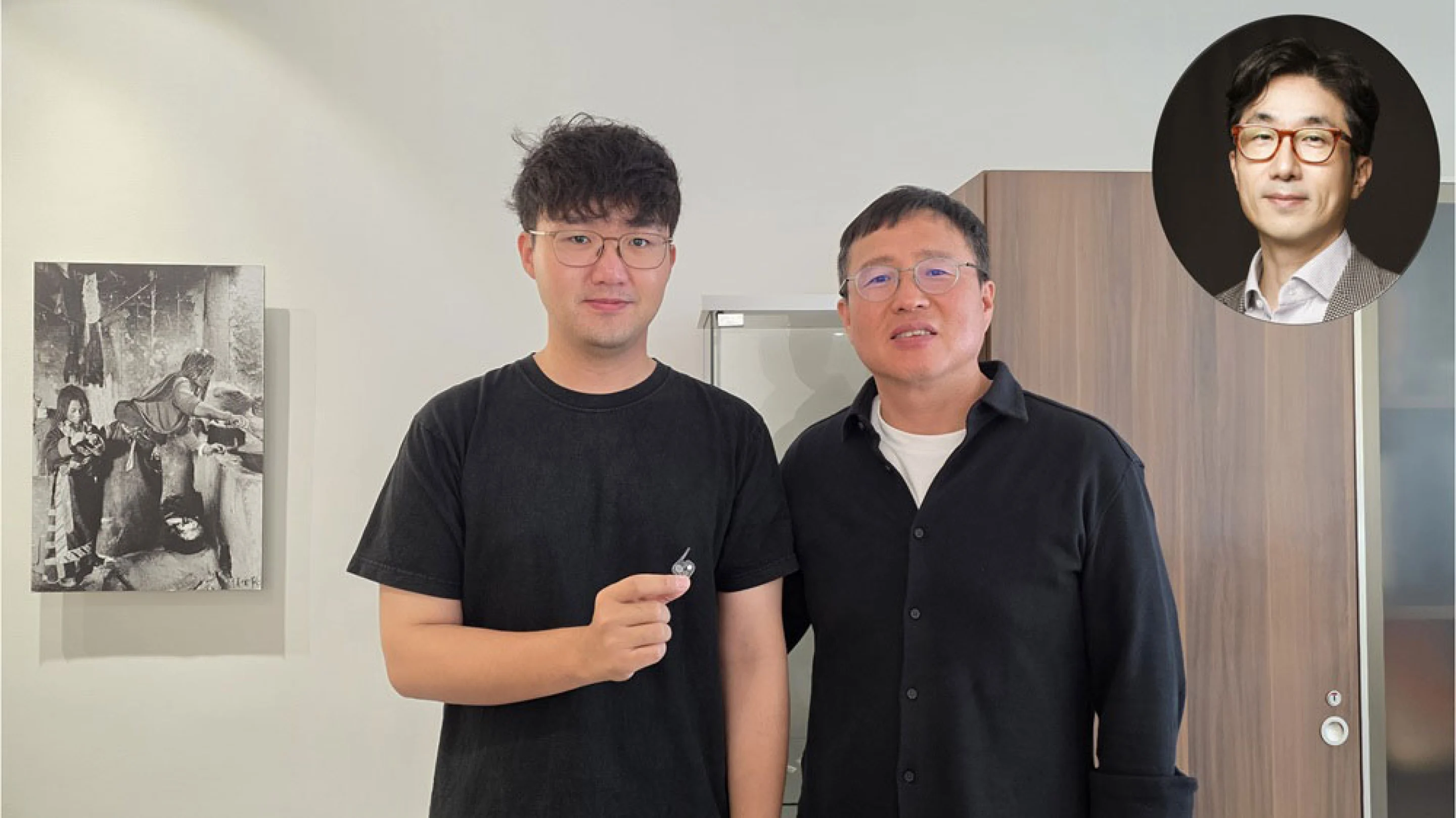
研究目前仍是在地面实验中完成,尚未在真正的太空微重力环境中测试,因此不能视为已验证可在轨使用的医疗设备。 The research team said that this device may also help people with Parkinson's disease and other people who have hand tremors or limited movement, making it difficult to accurately instill eye drops on their own; whether it can be used clinically still needs further verification.
Comments