
Abstract:
The latest detection results of NASA's "Perseverance" Mars rover show that the hydrological history of Mars' Jezero Crater may be far more complex than previously thought. Scientists analyzed the rocks detected by the Mars rover and found that these rocks have experienced at least three different water processes, involving carbon dioxide-rich groundwater, ancient lakes, and later high-temperature underground fluids. This discovery means that early Mars did not simply experience a "water period", but may have had multiple water systems at different stages, sources and temperatures.
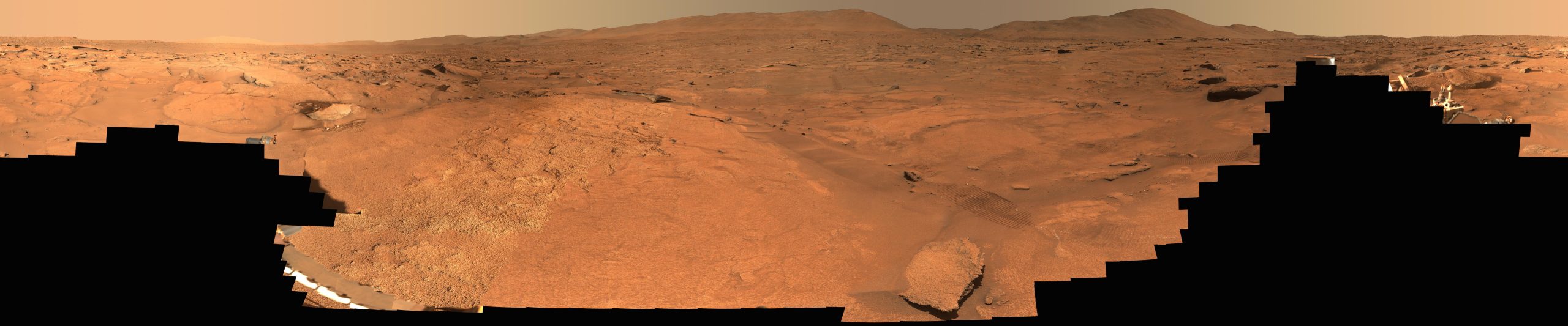
The discovery comes from a geological area called the "Margin Unit" on the inner edge of Jezero Crater. When Perseverance arrived here in 2023, scientists had expected to find sedimentary rocks associated with ancient lakes. Because from orbital observations, this area is rich in carbonate minerals, and on Earth, carbonates are often formed in water environments such as shallow lakes and oceans, and some of these environments are even suitable for microbial survival.
But when the Mars rover arrived at the site, it discovered that the Margin Unit was not the expected lake sedimentary layer, but was mainly composed of igneous rocks. These rocks were originally formed in the magma environment beneath Mars and were later gradually exposed by surface erosion. Compared with sediments that are easily reshaped by later geological activities, mineral crystals in igneous rocks can preserve a more detailed history of formation and transformation, and therefore have become important geological archives for studying the ancient Martian environment.
"Perseverance" used the SuperCam super camera and laser spectrometer installed on the mast to conduct a large-scale analysis of this area. SuperCam can determine the mineral composition of rocks by reflecting light, and can also emit lasers to rocks to instantly form plasma in a very small amount of rocks, and then determine the chemical composition of rocks by analyzing the spectrum emitted by the plasma. So far, the rover has used this method to analyze more than 185 bedrock targets in the Margin Unit.
Researchers found that there are obvious differences in the rock state of the Margin Unit at different heights. The rocks higher up are composed mainly of coarse-grained crystals rich in olivine and show little sign of water modification. Scientists believe that these rocks originally came from a large body of magma deep underground on Mars, and the magma slowly cooled to form larger mineral grains. After a long period of erosion, the material above gradually disappeared, and these rocks originally buried underground were finally exposed to the surface.
But in lower areas near the ancient lake bed, the same olivine rocks have been significantly altered. There are a large number of cracks in the olivine grains in the rock, and substances such as silica also appear between the cracks and the minerals. This change suggests that groundwater once penetrated deep into these rocks and chemically reacted with the minerals within.
Researchers are currently able to reconstruct the rough sequence of these water interactions based on the relationship between different minerals, but they are not yet able to determine exactly how many years ago each event occurred.
The first water action may have come from carbon dioxide-rich groundwater. When this groundwater passes through the olivine rock, a chemical reaction occurs and carbonates are formed. The carbonates are then deposited along cracks in the rock. As the surrounding softer rock continued to erode, the hard carbonate filling eventually protruded above the surface, forming the ridge-like structures that can be observed today.
This process is particularly noteworthy because when olivine reacts with water, hydrogen can be produced on Earth, and hydrogen can be a source of energy for some microorganisms. At the same time, this reaction may also form minerals such as carbonate and silica, which can preserve chemical traces left by ancient environments and even potential biological activities.
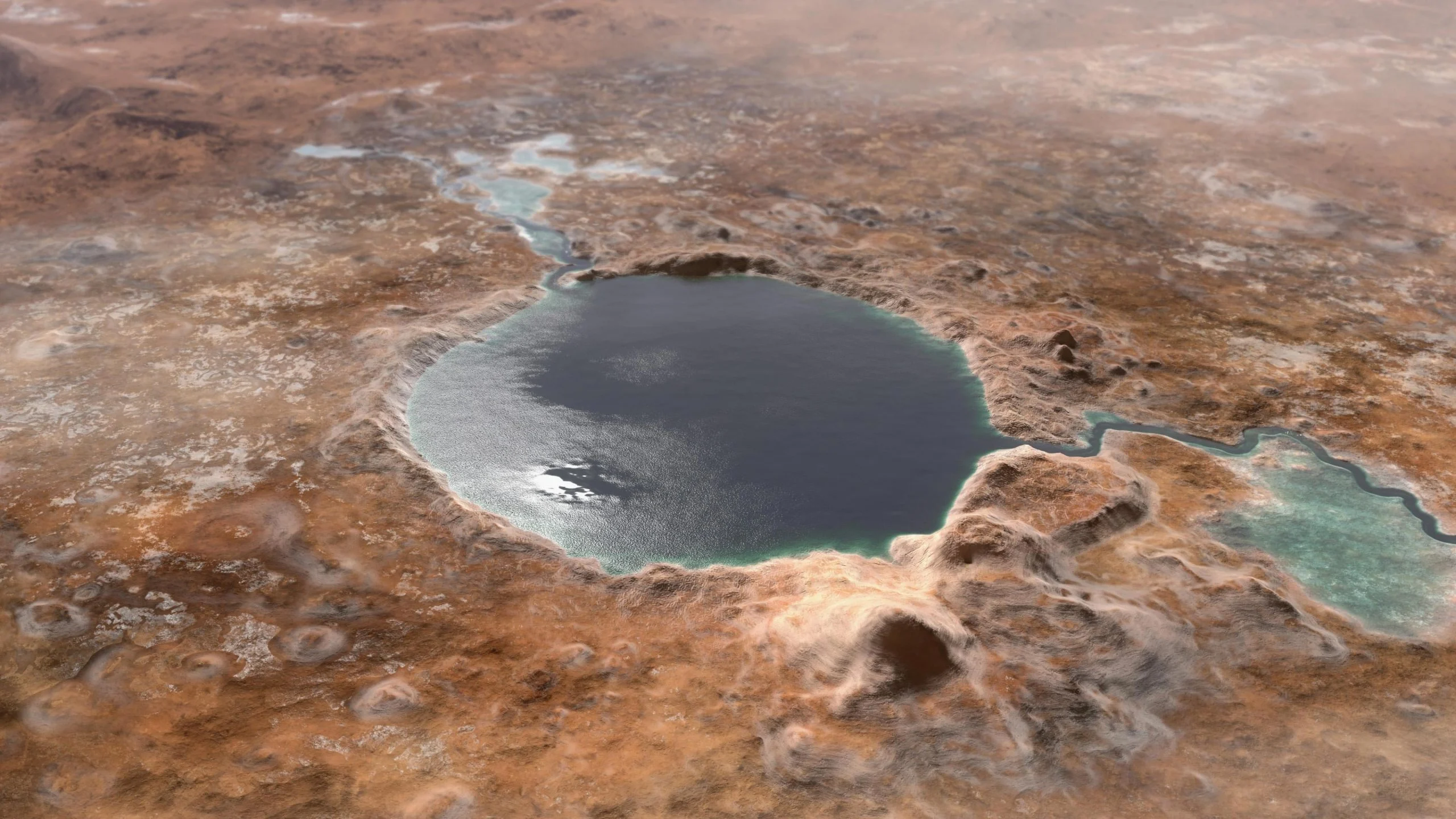
The second hydrological process may be related to the ancient lake that once existed in Jezero Crater. Silica is evident in some of the rocks, and researchers believe olivine can leave behind silica during its conversion to carbonates in a watery environment. At the same time, these rocks containing more silica are mainly located below the water level of the ancient lake, so they are likely to record the long-term or repeated interaction of the lake water with the Martian bedrock.
But the story does not end after the ancient lake disappeared.
The researchers also discovered a third, completely different water activity. At a location in the eastern part of the Margin Unit, Perseverance discovered a mineral vein about 25 centimeters thick, containing minerals such as calcium sulfate and fluorite.
Fluorite is particularly important because this mineral is often associated with high-temperature fluid activity. Scientists therefore speculate that high-temperature fluid circulation occurred underground in Jezero Crater after the early groundwater and lake activity ended. In other words, this area later experienced geological processes similar to hydrothermal systems.
Therefore, the same piece of rock actually preserves the traces left by at least three different water environments: at the earliest, carbon dioxide-rich groundwater reacted with the rock, then it may have been affected by ancient lake water, and finally it underwent modification by high-temperature underground fluids.
This is obviously different from the past simple model that only understood the Margin Unit as "ancient lakeshore ruins". Researchers now believe it is more like a "crossroads" where multiple different water systems met, rather than a geological remnant of a single lake environment.
This discovery also has special significance for the search for ancient life on Mars. Both carbonates and silica are minerals of great interest to scientists looking for ancient habitable environments because they not only reflect the presence of liquid water in the past, but also have the ability to preserve ancient chemical information and potential biological traces.
However, the current results do not prove that life existed in these rocks. What scientists were able to confirm is that the rocks interacted with different types of water multiple times, some of which were chemically potentially habitable. Whether microorganisms really existed requires further research, and it may even be necessary to bring Martian samples back to Earth for more detailed laboratory analysis.
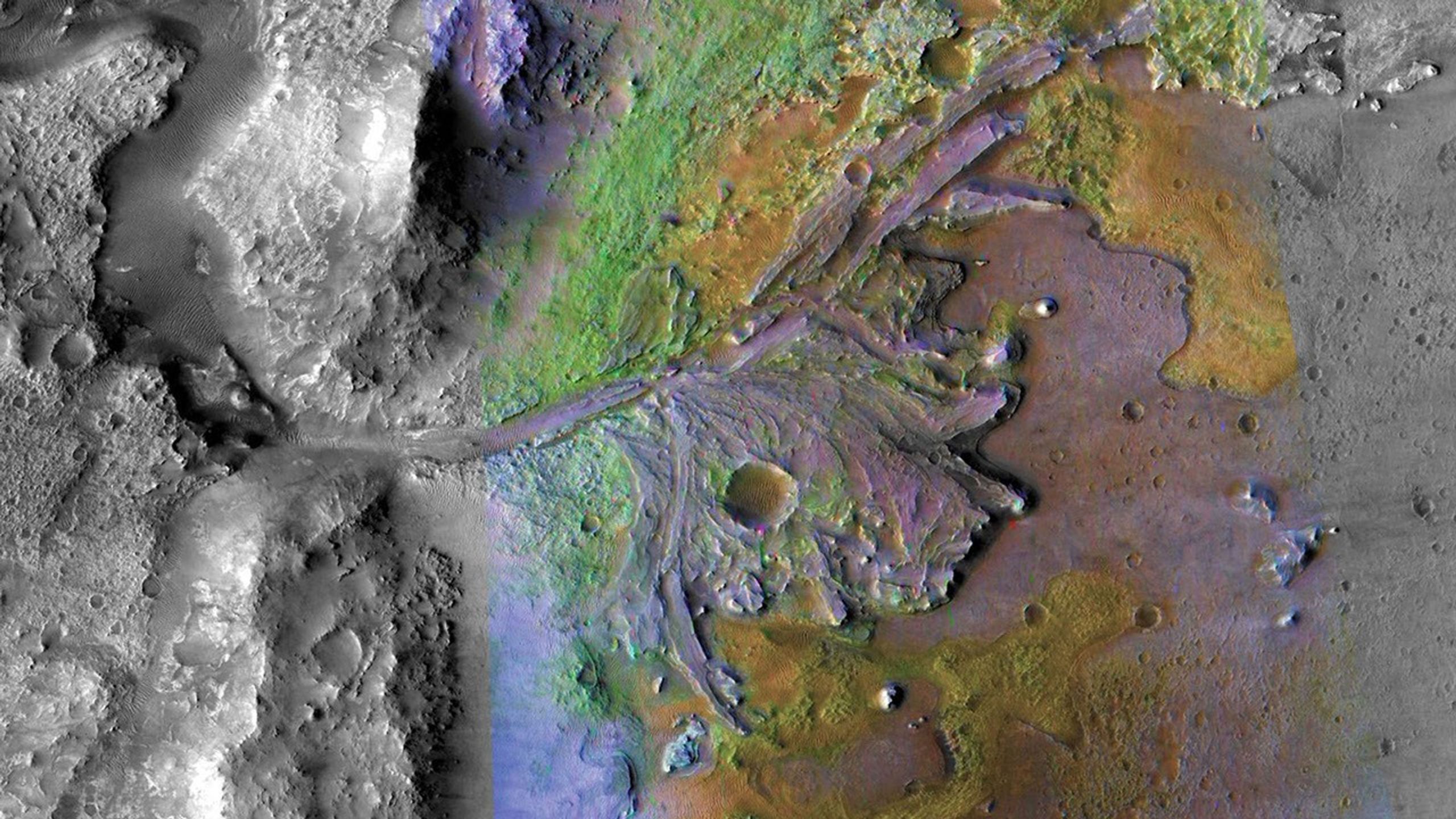
For Perseverance, this discovery further proves that relying solely on Mars orbiting satellites for geological judgment may lead to overly simplistic conclusions. From orbit, the carbonate distribution in this area is easily reminiscent of ancient lakes; but when the rover actually arrived at the site, it discovered that these minerals actually recorded multiple different stages of groundwater, lake water, and high-temperature fluid activity.
This is also one of the most important implications of Perseverance's discovery: Mars did not simply experience a "water period" in its early days, and then all the water disappeared, but may have experienced a more complex and dynamic water cycle process. Water at different times, temperatures and sources continues to enter the ground and surface, repeatedly transforming the same rocks.
The researchers therefore hope to use these rocks to further reconstruct the climate change process in Jezero Crater and even the early Mars as a whole, and determine how long the different stages lasted, how long they were separated from each other, and whether these water environments once provided long-term stable living conditions for microbial life.
In other words, the discovery of "Perseverance" does not simply prove that "there was water on Mars in the past," but further reveals a more complex fact: Mars' former water world may have gone through multiple stages of alternating groundwater, lakes, and high-temperature hydrothermal systems, and these changes may be much more complex than what scientists have been able to infer through orbital observations in the past.
Comments