
Abstract:
Researchers at the University of Arkansas and the University of Michigan have demonstrated a graphene energy harvester that uses magnetic fields around AC power lines to power ultra-low-power temperature sensors. The system operates with nanowatt-level power consumption, converting otherwise easily ignored magnetic fields from power lines into energy for tiny electronic devices.
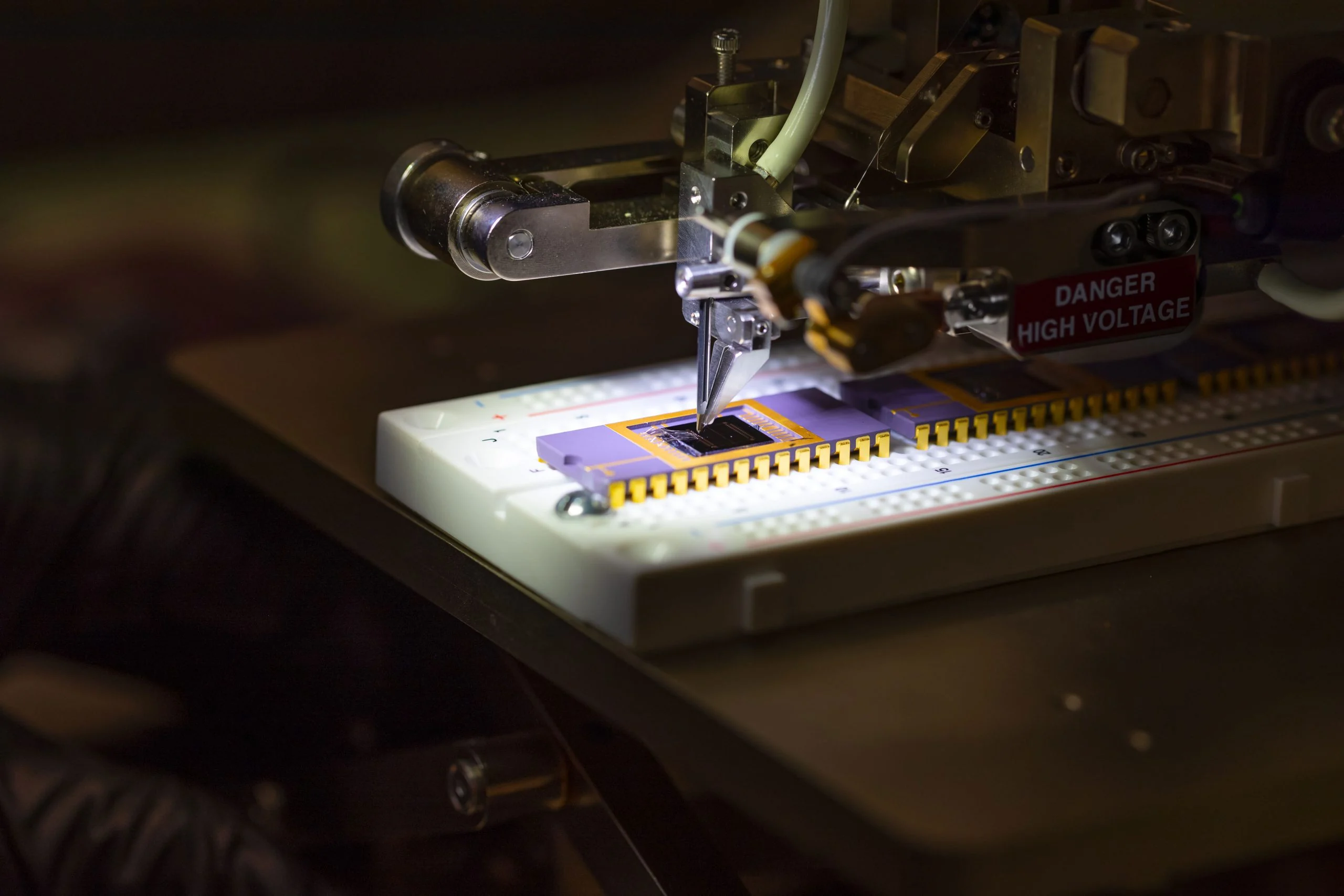
The graphene inductor in the device collects energy from the AC magnetic field, and then the circuit converts the AC signal into DC to charge the capacitor; the capacitor stores the electrical energy for use by the sensor. The research team said the inductor replenishes charge faster than the sensor consumes power, so the energy storage can continue to be maintained when nearby power lines are operating normally. The study focused on 60 Hz AC, which is common in the United States. Performance at other grid frequencies has not been accounted for in this study.
The researchers estimate that if power is interrupted, the charged capacitor will allow the sensor to continue operating for at least 24 hours, and possibly even a week. This battery life is an estimate made by the team based on the current device and is not the result of long-term power outage testing. The paper also points out that the experimental system still goes through one-time initial steps, including precharging the energy storage capacitor and setting up the processor; a fully autonomous cold start has not yet been verified.
This work was published in "Vacuum Science and Technology B". The team has also previously demonstrated the use of graphene solar cells to power temperature sensors. The long-term goal is to combine various environmental energy harvesting methods such as solar energy, heat energy, sound, motion and electromagnetic fields, so that agriculture, environmental monitoring, medical tracking and logistics equipment can reduce the maintenance need for battery replacement.
The research team envisions that this type of sensor can operate unattended for a long time under low-power conditions in the future, but "continuous operation for decades" is still the research and development goal, not the service life that has been proven so far. NTS Innovations, which holds the exclusive commercialization license for related technologies, said that more than 60 potential partners have expressed interest in testing or integration.
Comments