
Abstract:
David Ellison, CEO of Paramount Skydance, believes that artificial intelligence is expected to become the most important creative technology breakthrough in the history of the modern film industry, and its impact may even exceed the popularity of computer-generated imagery (CGI) and digital synthesis technology in the 1990s.
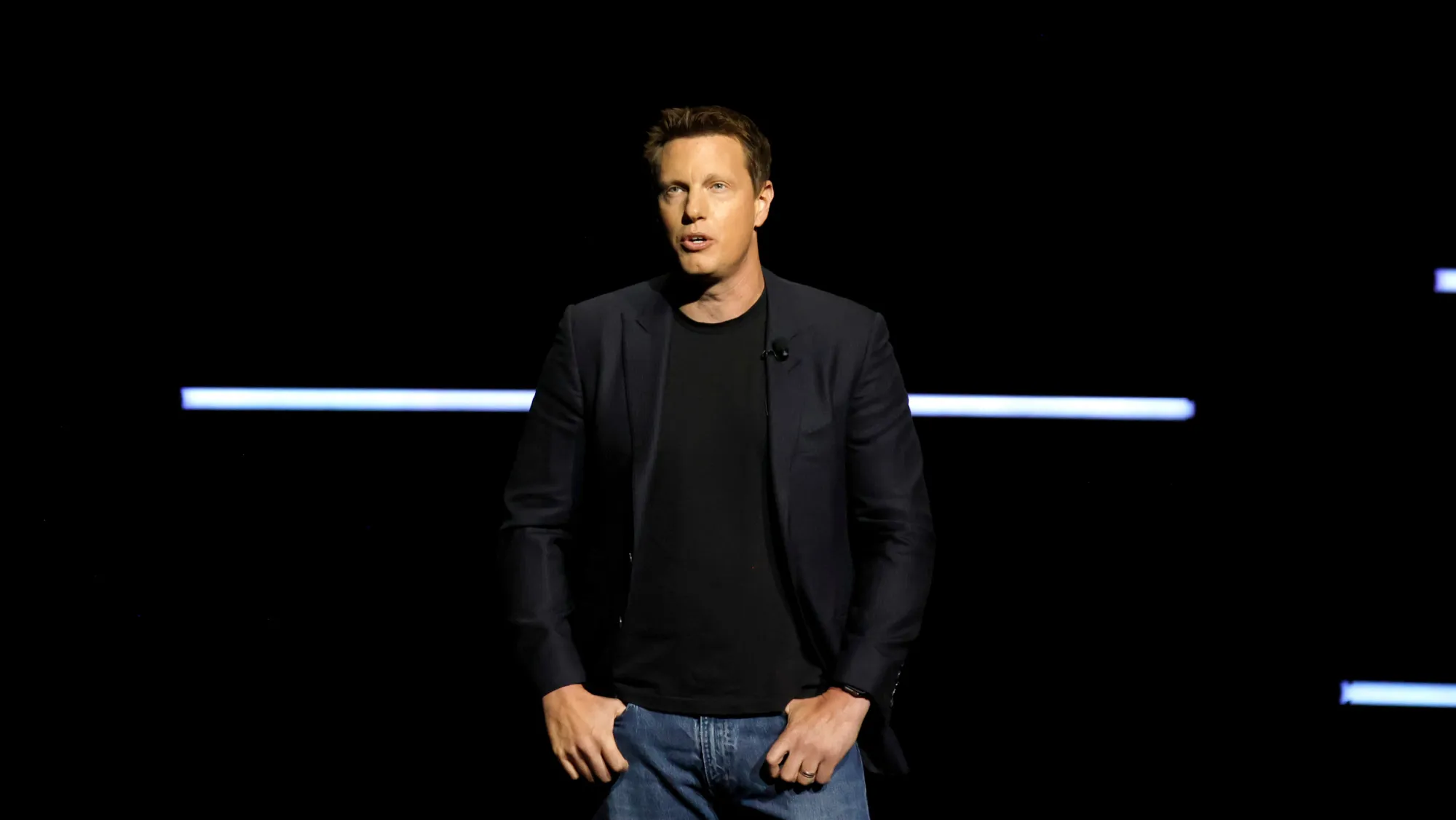
On the company's latest earnings call, Ellison talked about the potential impact of generative AI on filmmaking. He said that if you look at the development of the entire film production industry, it is difficult to imagine that AI will not eventually have a more profound impact than CGI. He calls AI one of the greatest creative unlocking tools possible in modern history and believes the technology can help filmmakers break through the limitations of traditional budgets and production capabilities.
To illustrate the impact of technological progress on the film industry, Ellison used the 1991 classic science fiction film "Terminator 2: Judgment Day" as an example. The production cost of this film was approximately US$4 million back then, and if we wanted to re-produce a work of the same scale today with the original footage and visual effects, the cost might reach US$60 million to US$70 million.
In his view, the rising cost of film production has made it increasingly difficult for some creative but commercially risky projects to obtain investment. AI tools are expected to change this situation, by reducing the cost of some production links, allowing film companies to take more creative risks and try original stories that were difficult to achieve in the past.
Ellison said that Paramount Skydance is developing its own artificial intelligence tools and hopes to apply them to multiple business aspects of the company. With the help of these tools, content creation will become easier, projects will be accelerated, and the entire way companies work may change.
He specifically emphasized that AI will not weaken the value of high-quality intellectual property (IP) and live entertainment events, but may make them more important. With the rapid increase in the amount of AI-generated content, there may be a large number of automatically generated works of varying quality on the market, while content with truly unique creativity, mature narratives and sophisticated production will be even more scarce.
Ellison calls this phenomenon a world filled with low-quality AI content. He believes that audiences will always be willing to pay for stories that are truly carefully crafted by creators, so Paramount’s movie brands, classic characters and high-quality content assets will still have important commercial value in the future.
At the same time, he also tried to respond to the concerns of creators in the film and television industry about artificial intelligence replacing human jobs. Ellison emphasized that artificial intelligence should be a tool for artists, not a substitute for them. He believes that the role of AI is to help creators realize their ideas and expand their creative space, rather than eliminating the core position of humans in story conception and artistic expression.
This statement also reflects that Paramount Skydance is adjusting its technical strategy. As film production costs continue to rise, streaming competition intensifies, and large entertainment groups face increasing pressure on profitability, using AI to improve production efficiency has become an important issue in Hollywood.
However, AI's entry into film and television production still faces a series of disputes such as copyright, actors' portrait rights, screenwriters' labor rights and creators' remuneration. Previously, the Hollywood Screenwriters and Actors Guild had listed the use of artificial intelligence as an important issue in labor negotiations, requiring production companies to clearly limit the substitution of AI-generated content for the work of human creators.
Ellison’s view shows that Paramount hopes to find a balance between technological progress and traditional creative production: on the one hand, it uses AI to reduce production costs and speed up project progress, and on the other hand, it continues to rely on mature IP, professional artists and high-quality original content to maintain competitiveness.
From "Jurassic Park" to "Terminator 2", CGI has changed the visual world that the film industry can present. Now, Paramount executives hope AI can bring about similar or even greater changes. However, it remains to be verified by future actual projects whether technology can truly reduce the production cost of high-quality films, and whether the money saved will be transformed into more original works instead of simply being used to reduce labor costs.
Comments