
Abstract:
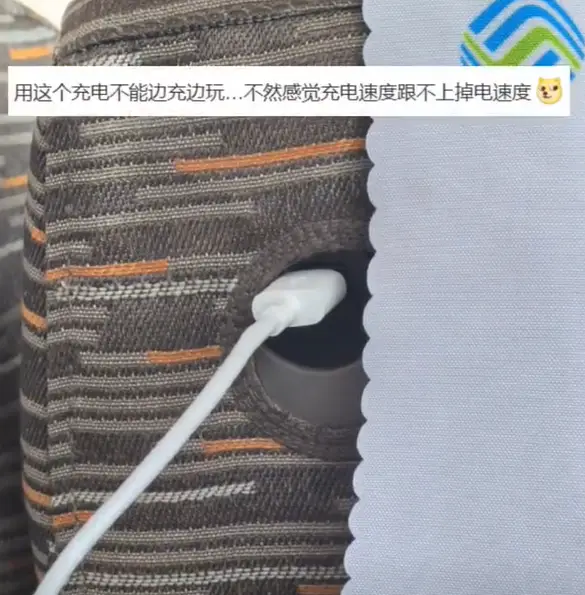
Have you ever encountered a similar embarrassing scene while riding a high-speed train? You plugged in the USB port next to the seat to charge your phone. After waiting for a long time, not only did the battery not increase, but it became less and less and even dropped as the charge continued.
Recently, many netizens have posted on social platforms complaining about their similar experiences. The topic of USB charging ports on high-speed rail seats that consume more power when charging mobile phones quickly became a hot topic, arousing the resonance of a large number of passengers who have had the same experience.
After the incident fermented,
12306 official wiring customer service responded that the output voltage of the seat charging port configured on the high-speed train is much lower than the conventional AC voltage of household sockets, and it was originally designed only to provide emergency power supply for passengers.
If the remaining power of the mobile phone itself is low, or if there are many applications on the mobile phone in the background and the power is consumed quickly, it is still recommended to carry a power bank with you when traveling, which can better meet the power demand of mobile phones during long-distance travel.
The actual output power of the USB ports of many existing high-speed rail seats is only about 5V0.5A, which cannot even cover the conventional standby power consumption of ordinary smartphones.
Not to mention high power consumption usage scenarios such as browsing videos and navigating at the same time, the charging input power cannot keep up with the power consumption rate of the whole machine, and there will naturally be an abnormal situation of less power the more you charge it.
Comments