
Abstract:
After more than 20 years of research and development, Pirelli is preparing to extend its Cyber Tire smart tire technology to ordinary mass-produced models, and is no longer limited to expensive super sports cars. The core of this system is a Bluetooth low energy device weighing only 13 grams. It is embedded in the tire lining, uses micro-electromechanical system sensors to sense the state of the rubber and road conditions, and transmits the data to the vehicle computer in real time. The vehicle adjusts its anti-lock braking system, traction control and driver assistance functions accordingly to improve driving safety.
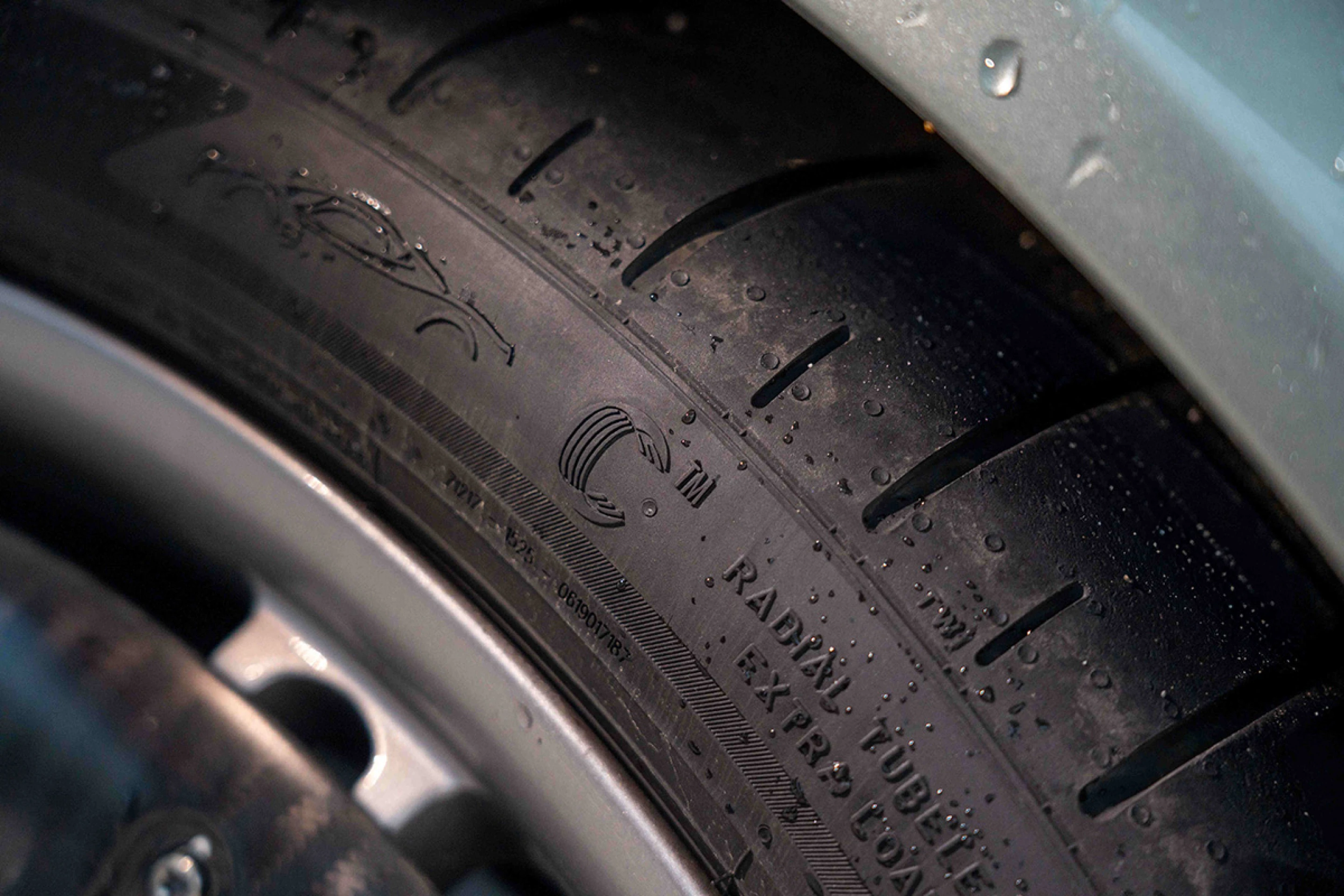
Current cars can already activate these systems based on vehicle speed, but if more precise data such as tire type, tire temperature and tire pressure can be obtained, system intervention can be more accurate. This means shorter braking distances, better grip in the wet and, in the long term, less tire wear.
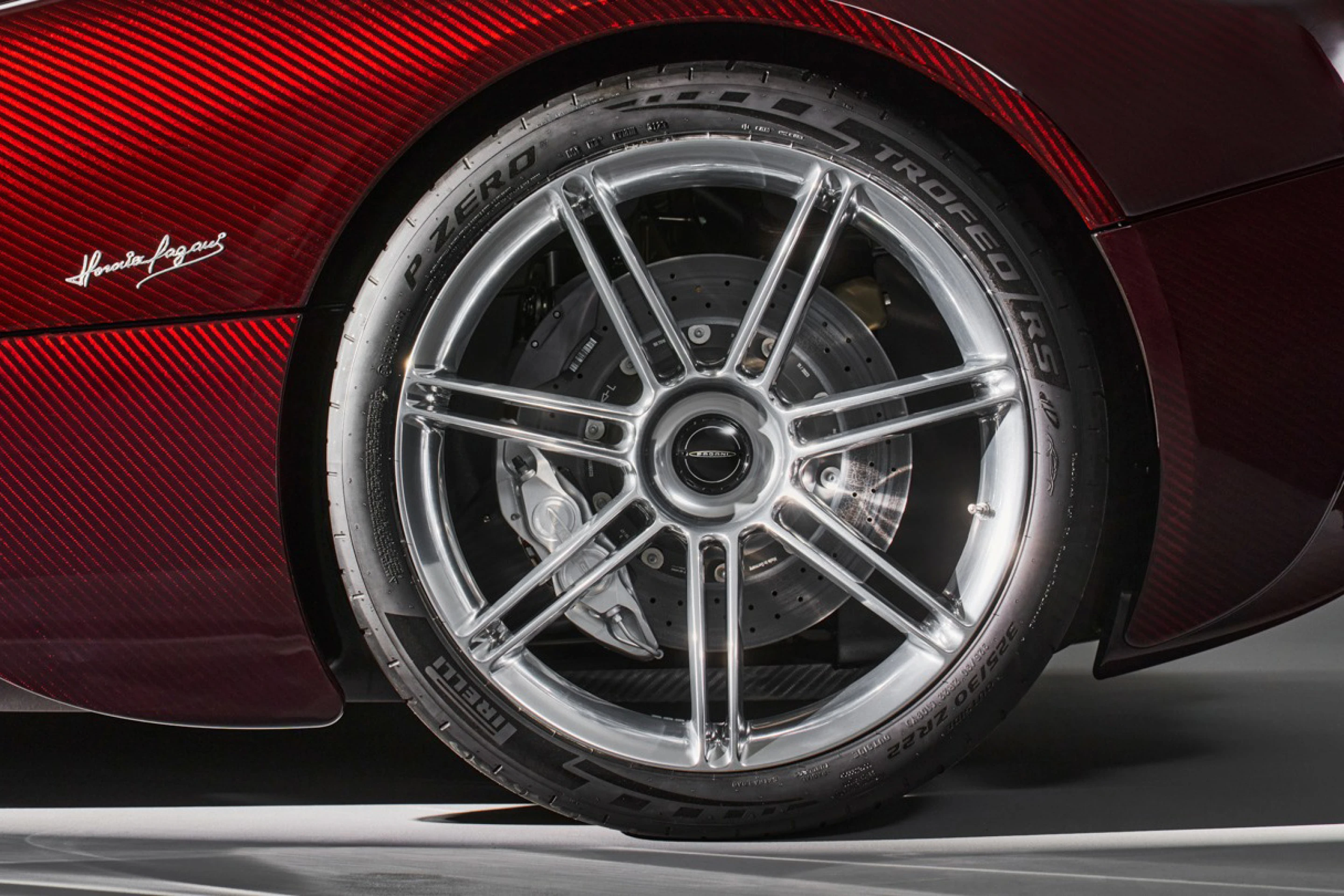
In recent years, Pirelli has used this technology in high-performance models such as Pagani, McLaren and Aston Martin. Now, the technology has officially entered the U.S. market and was demonstrated at the Las Vegas Motor Speedway, and will be followed by U.S. production.
Car and Driver's test team got to experience the technology this week on two Mercedes-AMG GT63 S sedans. With the same tires and vehicle, they felt different traction control settings based solely on the data provided by Cyber Tire. The test also showed that when braking from 104 km/h, the braking distance was shortened by about 0.9 meters.
Pirelli also claims that this technology can help the vehicle's electronic stability control system determine the available grip on slippery roads, making it easier for drivers to maintain vehicle stability when avoiding obstacles in the rain. Whether the owner changes tires or faces different seasons and weather, these features can continue to improve the safety performance of the vehicle beyond the factory adjustment based on new original tires.

The development process of Cyber Tire is quite long. In 2006, Pirelli bought the patent for this tire monitoring system from design company Fioravanti. In 2019, Pirelli demonstrated the Cyber Tire concept, which installed sensors on the tires of an Audi A8 and drove it on a test track transformed from the roof of a shopping mall. In 2024, Pirelli reached a cooperation with Bosch to further develop the system and conducted extensive testing with the Pagani Utopia Roadster equipped with a 6.0-liter V12 engine and an output of 852 horsepower, including a long-distance drive of 1,500 kilometers.
What’s special about this sensor is that it can withstand extreme high and low temperatures inside the tire, as well as the acceleration of gravity during high-speed driving. Test media pointed out that the battery in each sensor is designed to last longer than the tire it is installed on, thanks to the fact that the sensor enters a low-power mode when not working.
In addition to servicing the vehicle itself, Cyber Tire's sensor data can also be combined with on-board camera systems to provide road condition information. When multiple cars collect this data, road maintenance agencies can understand which sections of road need repair.
Following demonstrations in the United States, Pirelli will soon produce the sensor-equipped tires at its factory in Rome, Georgia. The company is investing more than US$1 billion to expand production capacity and plans to produce 6 million passenger tires per year by 2033, part of which will have built-in Cyber Tire technology. It is expected that a large number of such tires will appear on mainstream models by the time mass production starts in 2028. The era of talking tires is almost here.
Comments