
Abstract:
The "mood rings" that were all the rage at the end of the 20th century are actually very easy to be deceived. Just hold this cheap jewelry under your sweaty arm for a minute and its color will glow with a "passionate inner" glow. Now, engineers at the University of Southern California have created a ring that can actually read your emotional state, and it relies on more than just temperature-sensitive chemicals.
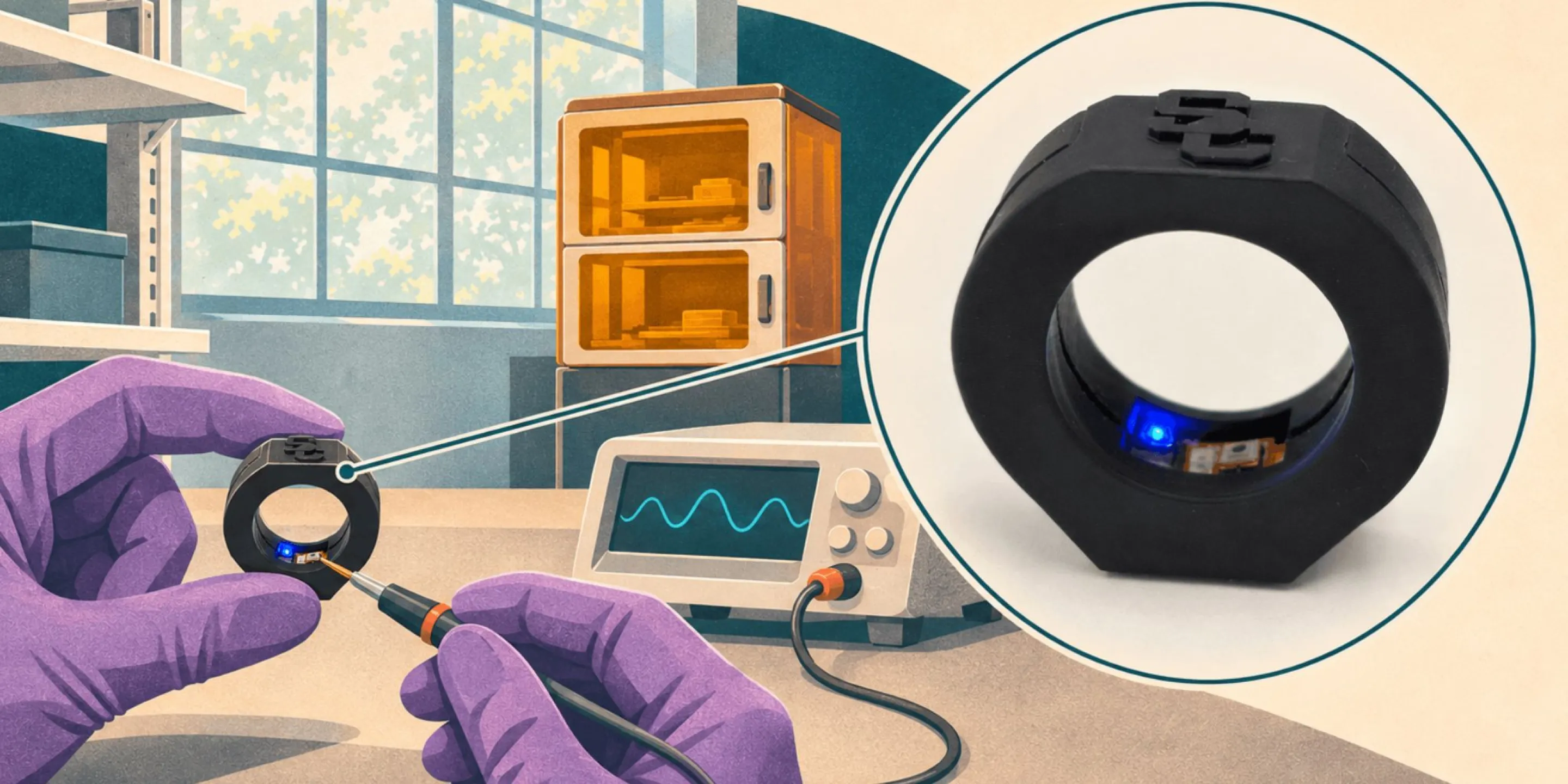
This ring uses infrared radiation to capture changes in finger sweat gland activity before visible sweat beads appear, thereby determining the wearer's mental state. It can also measure your pulse and use a machine learning model to analyze whether sweating on your fingers is more consistent with a stress response or more like just after exercise.
Fingers are actually an ideal window for observing the nervous system. When the body's "fight or flight" mechanism is activated, sympathetic nerves activate the eccrine sweat glands in the skin to secrete salty sweat. This sweat changes the skin's ability to conduct electricity, known as electrodermal activity. By attaching electrodes to the skin, moisture changes can be measured. The problem is that the electrodes need to stay close to the skin for a long time, and some sensors use conductive gel that gradually dries out over the course of the day.
Because water absorbs certain wavelengths of light, engineer Yasir Khan and his colleagues began wondering whether they could capture these changes using a combination of light-emitting diodes and sensors. Their design uses two infrared light-emitting diodes: one emits light with a wavelength of 960 nanometers, and the sensor next to it is responsible for measuring the amount of light reflected back by the skin; the other emits light with a wavelength of 1250 nanometers, providing a stable reference signal. This system can also detect changes in blood flow rhythm. Coupled with temperature sensors, accelerometers and built-in artificial intelligence, the smart ring can make informed judgments about stress levels.
However, the rapid heartbeat and active sweat glands may just be because you just received an email from your boss with the subject line "Can we chat?" or just because you didn't take the elevator and climbed the stairs. To test whether the LED rings could differentiate between different types of stress, the researchers had six volunteers complete a series of short experiments: sitting still, dipping their hands in ice water to induce a stress response, walking, and working up a sweat on an exercise bike.
The results showed that, based on all the signals from the ring, the accuracy of the device in distinguishing the resting state from the ice-water pressure state was about 92%, while the sensor using only gel electrodes was about 78%. With complete research data and four states to choose from, the ring identification accuracy reaches 100%.
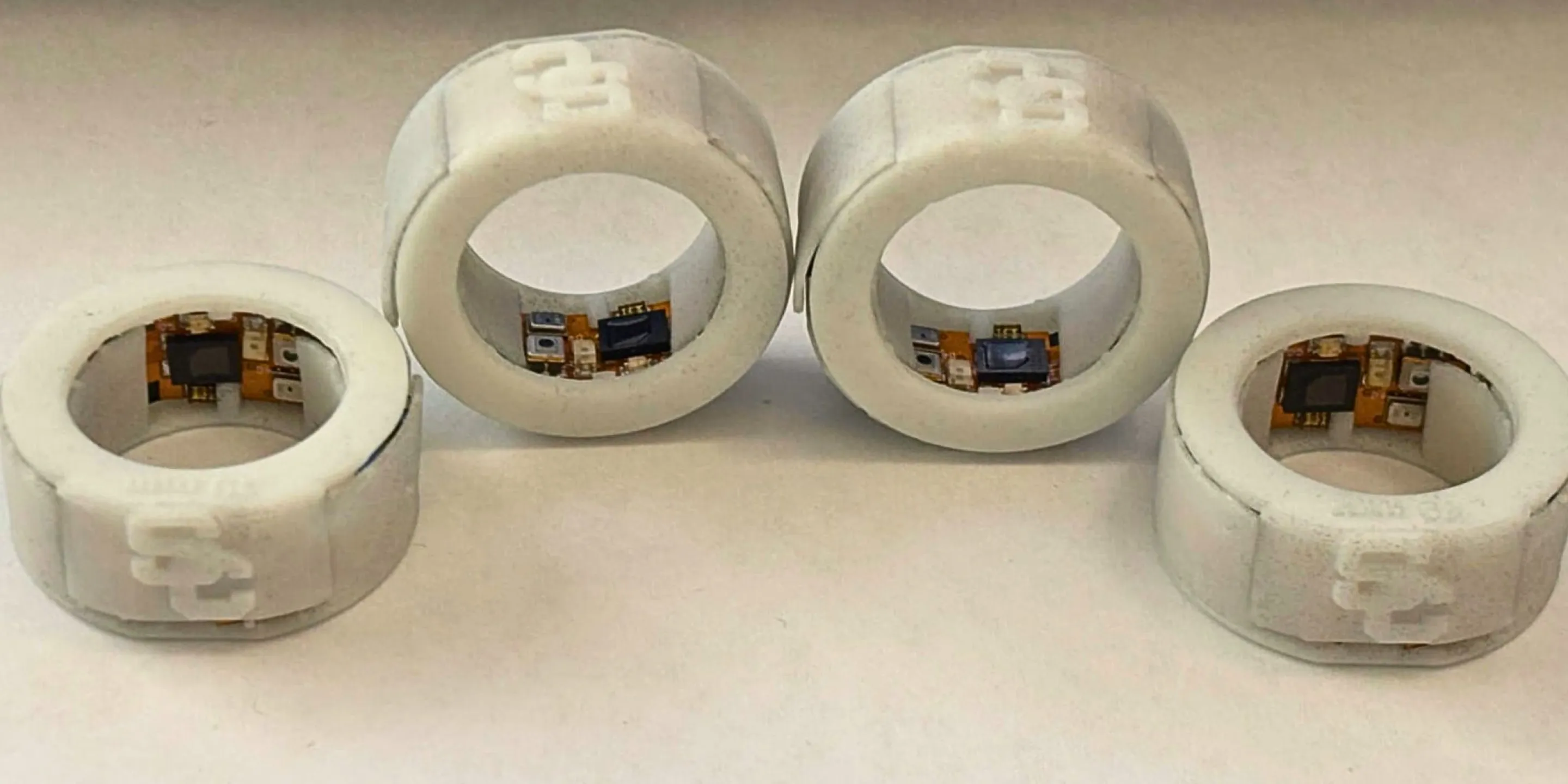
In another 12-hour experiment involving two volunteers, the design was still about 80% accurate at distinguishing between stress and resting conditions, higher than the 57% accuracy of the gel electrode model. Ice-water immersion is a reliable way to induce a stress response, but a busy workday is obviously more complicated. The team had just two participants attempt a timed mental arithmetic test to simulate the mental exertion of stress.
The research team plans to conduct a year-long test with 40 people in an office environment. At that point, things like deadlines, warm rooms, and climbing stairs will create overlapping signals that the software will need to sort through.
Smart rings are becoming an affordable technology accessory that can measure a variety of body functions. Finding new ways to read the body can help people make more informed decisions about their health and fitness.
This ultimate mood ring may never tell whether you're dreading a meeting with your boss or looking forward to a promotion. But any fashion item that offers a little clue about your state of mind is better than a finger thermometer that just makes you believe you're creative.
The research has been published in the journal Science Advances.
Comments