
Abstract:
According to Rice University, archaeologists discovered at the "Nighthawk" site in Caprock Canyon State Park in the Texas Panhandle that indigenous groups repeatedly conducted collective buffalo cliff hunting at the same location for about 3,000 years. This is the second scientifically confirmed bison jumping site in Texas, and the results were published in the magazine American Antiquities. The research was completed in collaboration with Rice University, the Texas Parks and Wildlife Department, Texas Tech University, and the Plains Archaeological Research Institute. August "Gus" Costa, a part-time lecturer at Rice University, is the first author.
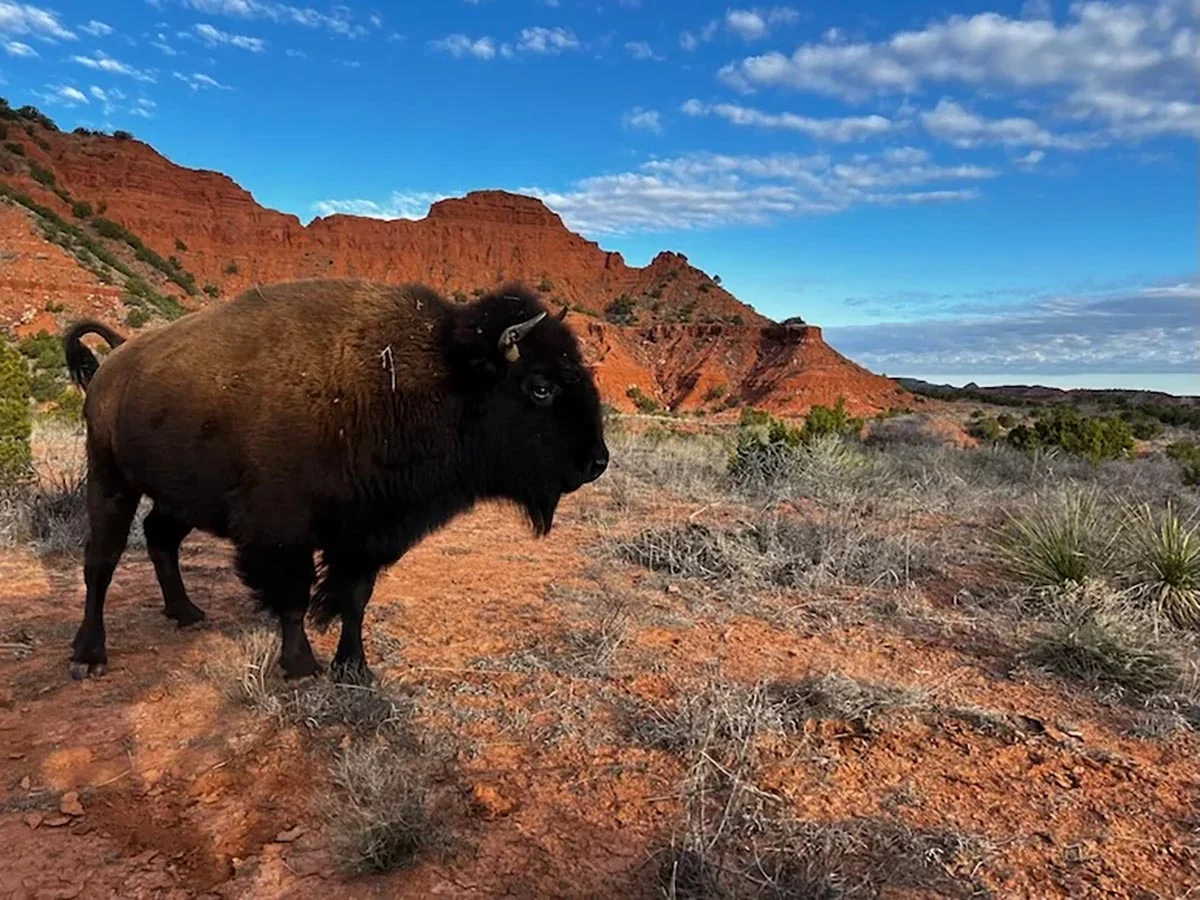
Group hunting requires division of labor. Some people search for the herd and lead it to the grassland near the cliff. Some people ambush and drive the bison, causing the bison to fall to death or become incapacitated. Others are responsible for killing the injured bison and processing the meat, hides and other materials. Costa said cliff jumping hunting is a community activity and requires the cooperation of a large number of people to be successful. Such gatherings may also be used for transactions, rituals, celebrations, and the consolidation of social relationships.
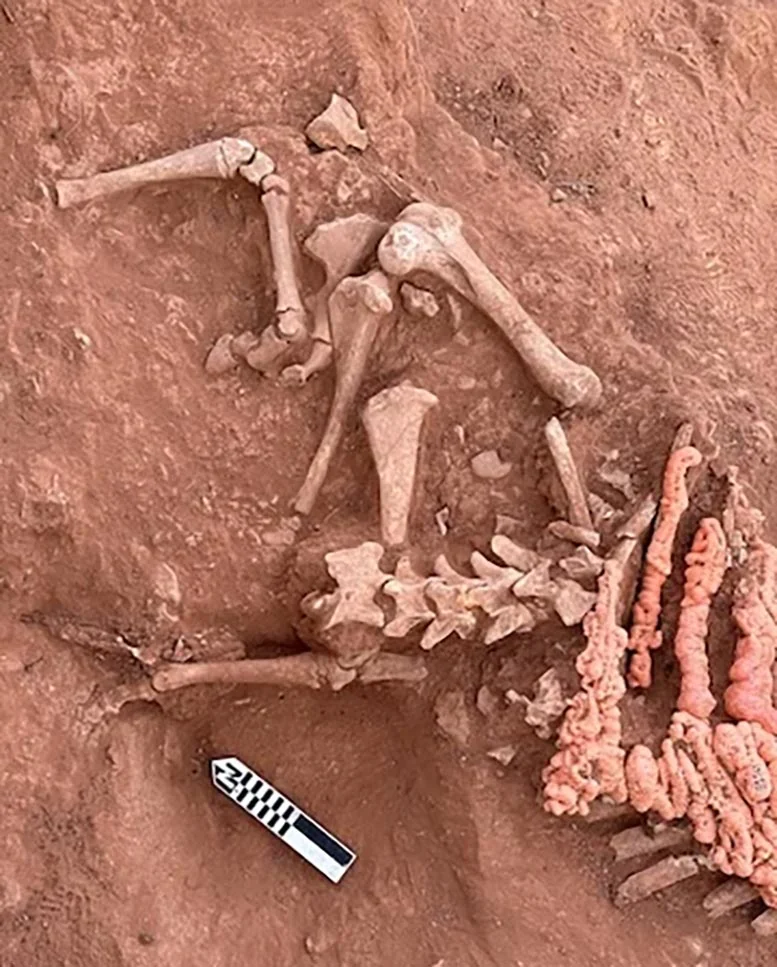
The initial discovery of stone spearheads and arrowheads indicated that at least two hunts took place. Radiocarbon dating of bison bones shows at least seven separate hunts here, spanning about three thousand years. During this time, hunting technology shifted from stone spearheads to bows and arrows, pottery emerged, and the landscape changed significantly, with erosion alone retreating the cliff's jump point by about the length of a football field. Costa said the fact that people have returned to the same spot over three thousand years shows their deep connection to the nighthawk hunting grounds.
The topography of the ruins raises a question. Many bison cliff jumps in the northern Great Plains may have used terrain to obscure the edge of the cliff, and with nighthawks perched on prominent cliffs, the bison likely could see the danger ahead. How hunters can adapt their methods to overcome this remains unclear. Costa said they don't know exactly how hunters move the herds, but the environment here is different from typical northern Great Plains cliff jumping spots.
Before nighthawks were recorded, Campfire Shelter, discovered more than 60 years ago, was the only scientifically confirmed bison cliff jumping site in Texas. Costa and colleagues subsequently identified eight more potential sites in and around Caprock Canyon, suggesting the practice may be far more common than previously thought. Part of the difficulty in finding it is that archaeologists have traditionally focused on residential areas. The steep slopes below cliffs are unsuitable for camping and therefore receive less attention. Erosion and private land access restrictions also add to the difficulty. Costa said that this cliff jumping point is hidden right under your nose.
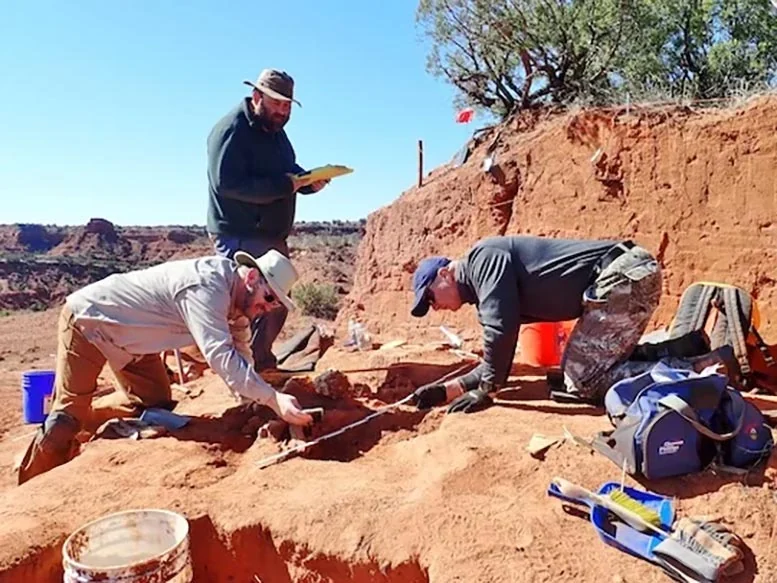
Field work on nightjars is complete and researchers are searching for additional sites in the southern Great Plains. They are also analyzing ancient bison DNA and the chemical composition of bones and teeth to reconstruct herd migrations, understand past environmental conditions, and study possible connections between these bison and those living today in Caprock Canyon State Park.
Costa said the indigenous bison hunting culture of the southern Great Plains has long been underappreciated compared to the northern plains. He believes the discovery is a reminder that ancient societies should not be judged solely on the basis of incidentally preserved evidence, and that gaps in the archaeological record can obscure generations of accumulated knowledge, creativity and cultural practices. It's about respect, he said, and bison jumping was a complex community collaboration, and it's important to incorporate it into the historical narrative of the Southern Plains people.
Comments