
Abstract:
A new archaeological study shows that wealth and status inequality in human society may have formed earlier than previously thought. By analyzing nearly 300 prehistoric tombs in Central Europe, researchers found that European society about 5,000 years ago had shown signs of gradual differentiation in wealth and social status, and this process may have ultimately given rise to the subsequent family privileges and class inheritance systems.
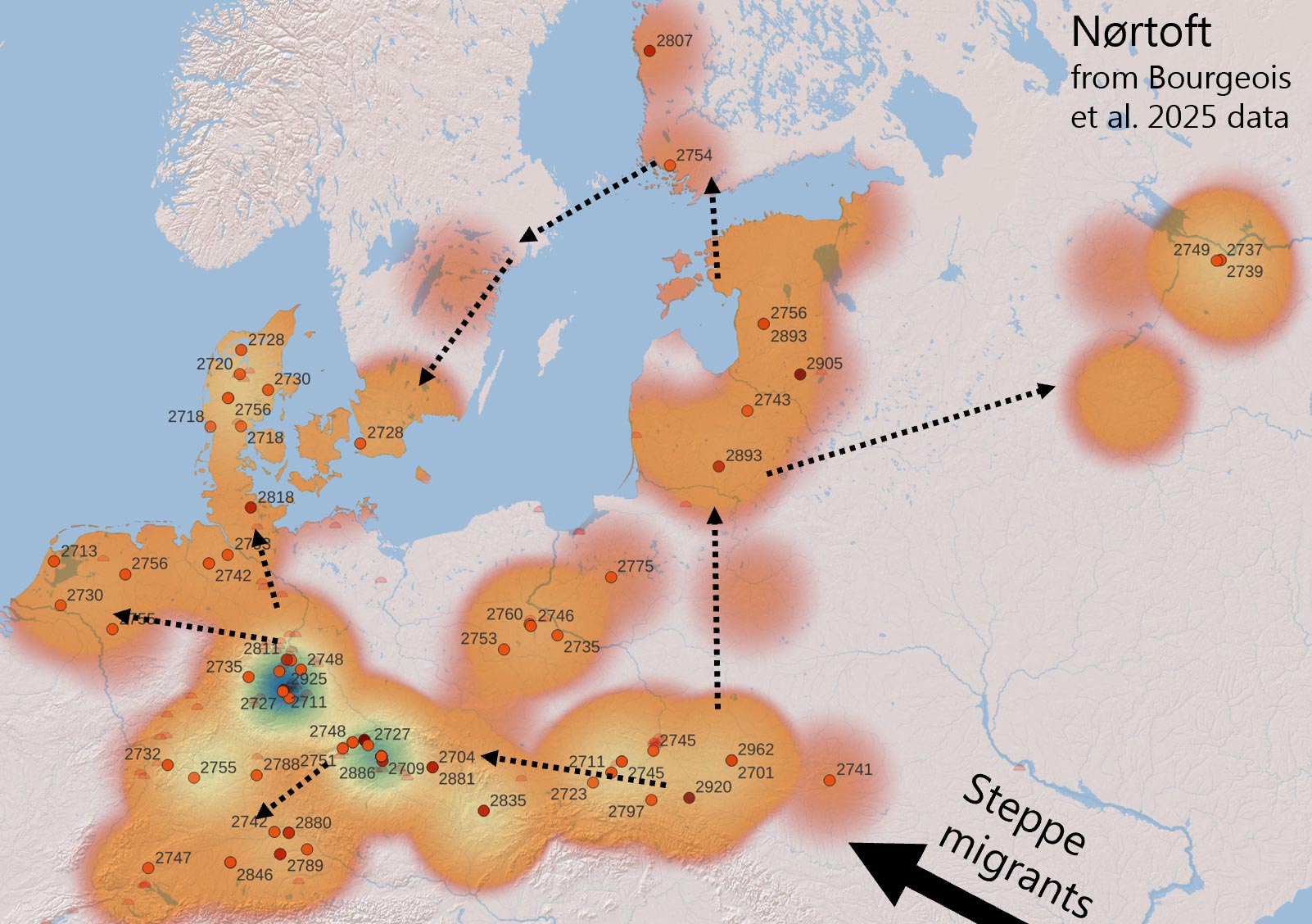
The research team investigated 296 Corded Pottery Culture tombs located in Bohemia, the Czech Republic today. These tombs were dated between approximately 2900 BC and 2300 BC. Archaeologists have reconstructed the evolution of the social structure at that time by combining various evidence such as funerary objects, burial forms, ancient DNA, paternal Y-chromosome lineage, and the age and gender of the remains.
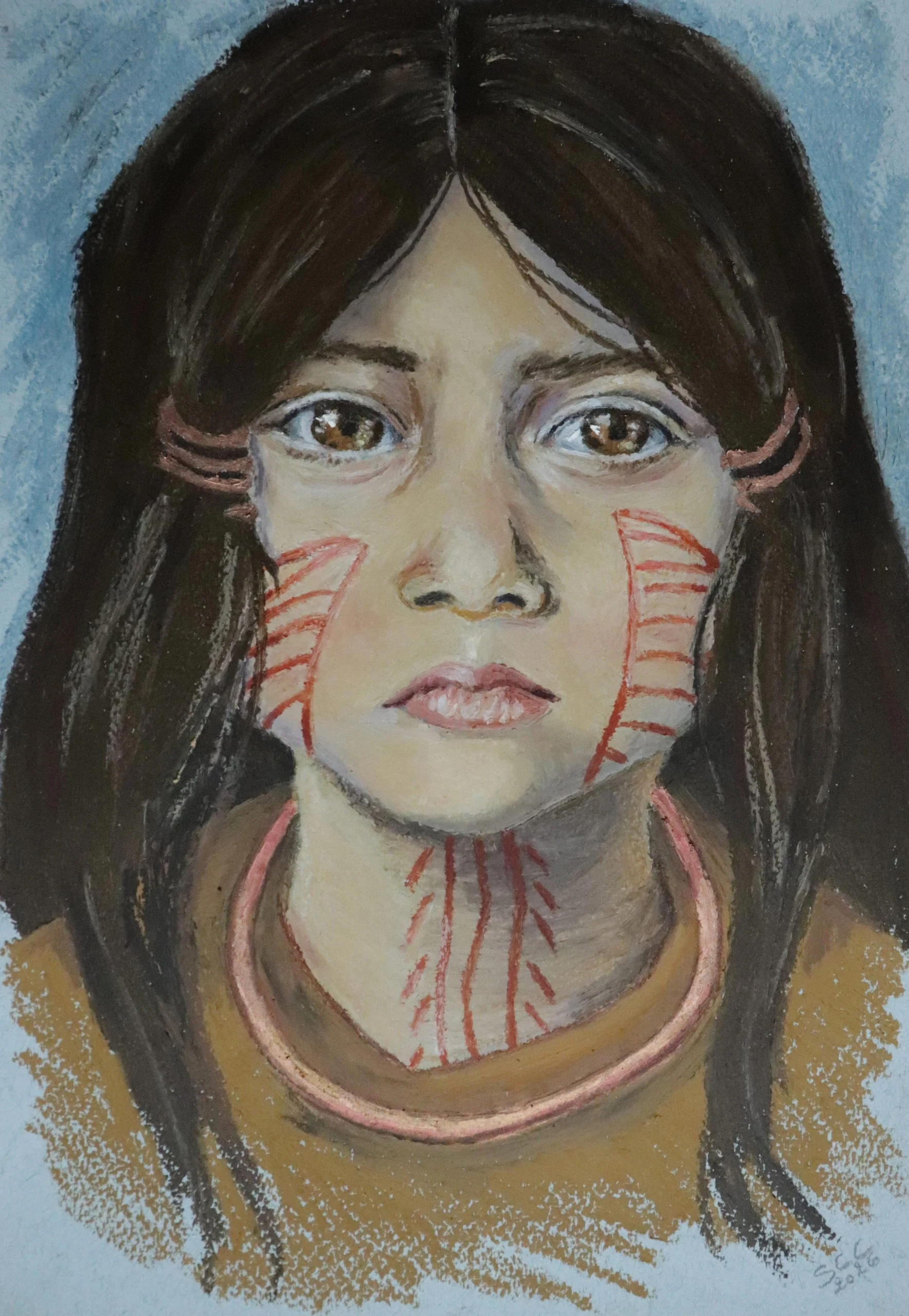
One of the most striking findings from the research was the burial of a young girl. Not only was her tomb the richest of all the specimens, it also yielded an extremely rare copper neck ring. This discovery prompted researchers to wonder whether the girl was born into a wealthy family, or whether her special burial reflected some special understanding of status in society at that time.
Because there are no census records, tax files or written records in prehistoric societies, it has long been difficult for archaeologists to accurately determine the distribution of wealth and power at that time. To address this issue, researchers developed a new archaeological analysis method that combines burial wealth, social identity and genetic information to assess social inequality.
The research results show that in the earliest stage, between 2900 BC and 2700 BC, the steppe immigrant groups who had just entered Bohemia did not show obvious wealth gaps. The number of grave goods in the tombs is limited, and the difference in wealth is relatively small and mainly related to age. At the same time, the social differences between men and women are not prominent, and multiple patrilineal families with steppe ancestry share social influence.
Researchers believe that society during this period paid more attention to group cohesion. Around 2900 BC, a violent volcanic eruption caused the sky to be obscured by volcanic ash for a long time and the climate environment deteriorated. Newly arrived pastoralist groups in Central Europe may have been more concerned with establishing stable social networks and thus strengthening a common identity through unified funeral rituals and the construction of mound tombs rather than displaying personal wealth through lavish grave goods.
However, starting from 2700 BC to 2500 BC, the social structure changed significantly. As a new patrilineal lineage entered local society, the tombs gradually became more luxurious, and a large number of precious artifacts and meat sacrifices began to appear. As interregional communication networks expanded, the differences between male and female burials became increasingly apparent.
During this period, adult males were more likely to acquire rich grave goods, and social competition appears to be intensifying. However, the researchers did not find a significant increase in injuries related to violent conflict on the skeletal remains, suggesting that status competition may have occurred primarily through social and cultural means rather than direct armed conflict.
Towards the final stage, between 2500 and 2300 BC, one patrilineal lineage gradually became dominant. At the same time, a small number of children's burials began to contain unusually rich grave goods. Since children have not yet had the opportunity to gain social status through personal achievement, this wealth is more likely to come from the family.
The researchers pointed out that this phenomenon may mean that wealth and social advantages have begun to be passed down from generation to generation within the family. Some families may equip their children with expensive jewelry to enhance their future social value in marriage exchanges. In the Corded Pottery culture society, women usually moved into the male family after marriage, and the system of bride price and dowry was also very common in later Indo-European societies.
The tomb of a young girl with a copper neck ring unearthed is particularly noteworthy. The copper ring gradually became an important symbol of noble status in the European Bronze Age and Iron Age. Researchers believe such grave goods may not only represent the children themselves, but also reflect the wealth and status of their families. However, due to the lack of direct evidence, this explanation still needs further verification.
Overall, research shows that the wealth gap in the Corded Pottery culture society did not suddenly form, but gradually widened over hundreds of years. As social competition intensified, some families may have accumulated greater influence and began to pass wealth and status to the next generation, laying the foundation for later hereditary families and long-lasting social classes.
The research team stated that they have now found a correlation between changes in paternal lineage and differences in burial wealth, but more ancient DNA and archaeological evidence are still needed to determine whether wealth is truly inherited from generation to generation in the family. This study demonstrates the potential of combining archaeology, genetics and historical linguistics to shed light on the evolution of human society in an era before written records.
Comments