
Abstract:
On October 2, local time in the Vatican, Pope Leo XIV talked about the impact of artificial intelligence on the art field at an event for artists and curators. He said that in the era of rapid development of artificial intelligence, it is increasingly necessary for human society to clearly distinguish between art created by humans and content generated by machines, and emphasized that there is not only an aesthetic difference between the two, but also an "ontological difference."
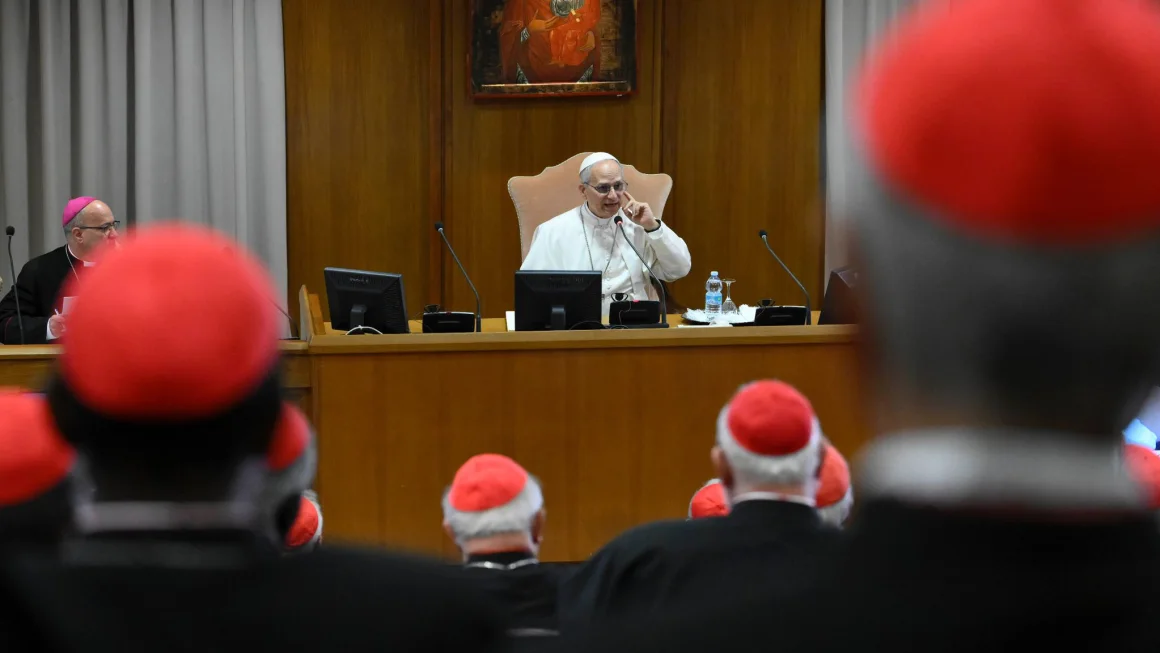
Leo XIV expressed relevant views on the social platform X that day, saying that in the era of artificial intelligence, there is an urgent need to distinguish between "human art" and "things produced by machines." In his view, machines can generate new content based on millions of existing images through statistical calculations, but this generation method is not the same as the essence of human artistic creation. In particular, he noted that algorithms lacked a "spark of humanity."
This view was also one of the core contents of Pope Leo XIV’s speech when he met with artists and curators in the Vatican that day. The event, titled "The Art of Possibility: Knitting Together," was organized by the Vatican's Culture and Education Department. Leo XIV said that real art is not just a decorative thing, but can make people stop and think, and help people understand human beings' own desires, traumas, pursuit of beauty and justice, and exploration of the meaning of life.
Leo XIV believes that there is a clear difference between art and the instant answers provided by today’s search engines and artificial intelligence. The latter can often quickly provide answers based on existing information, and the value of art lies precisely in rejecting simple "ready-made answers" and prompting people to re-observe and think about things that cannot be easily consumed or summarized.
He further said that in the context of the popularization of artificial intelligence, the role of artists is even more important. Art can not only express personal experiences and emotions, but also preserve the connection between people and culture. For this reason, the Catholic Church wishes to re-strengthen its partnership with artists and cultural institutions in order to jointly safeguard this uniquely valuable part of human culture.
Leo XIV’s speech that day was not the first time he had recently expressed concerns about artificial intelligence. During his previous visit to France, he said in an interview with reporters on the return plane that experts in the field of artificial intelligence have concerns about the serious consequences of technology that should be taken seriously, and believed that society cannot pretend that these risks do not exist. He also advocated that political leaders, artificial intelligence companies, social organizations and related institutions should conduct more dialogue and research to ensure that the development of artificial intelligence does not move in a direction that endangers humanity.
In May this year, Pope Leo XIV also issued the first encyclical "Magnifica Humanitas" during his tenure, focusing on how to maintain human dignity and the relationship between humans and technology in the era of artificial intelligence. The Vatican has since further strengthened research and coordination on artificial intelligence-related matters.
This statement on AI-generated art further extends his focus to the fields of culture and creation. Leo XIV did not propose a specific policy to completely ban AI-generated art, but emphasized that the unique status of human creation should be maintained and called on artists, cultural institutions and churches to jointly face the cultural changes brought about by artificial intelligence.
Judging from his statement, the focus of his question is not whether artificial intelligence can generate visually artistic works, but whether the content produced by machines through statistical calculations through large amounts of existing data can be regarded as the same thing as artistic creations with human experience, intention and cultural background. Leo XIV was obviously more concerned about the latter issue and elevated it to the philosophical and cultural level of "what is a human being".
Related articles:
The new Pope Leo XIV stated that he will inherit Francis’ line and said that AI poses new challenges to mankind
Comments