
Abstract:
The Raspberry Pi Foundation recently confirmed that some of its products have locked factory memory configurations through firmware mechanisms, and users can no longer upgrade by replacing larger-capacity memory chips as they did in the past. The disclosure of this news has also plunged the Raspberry Pi, which has long been loved by makers and hardware modification enthusiasts, into a discussion about "repairability" and "official control."
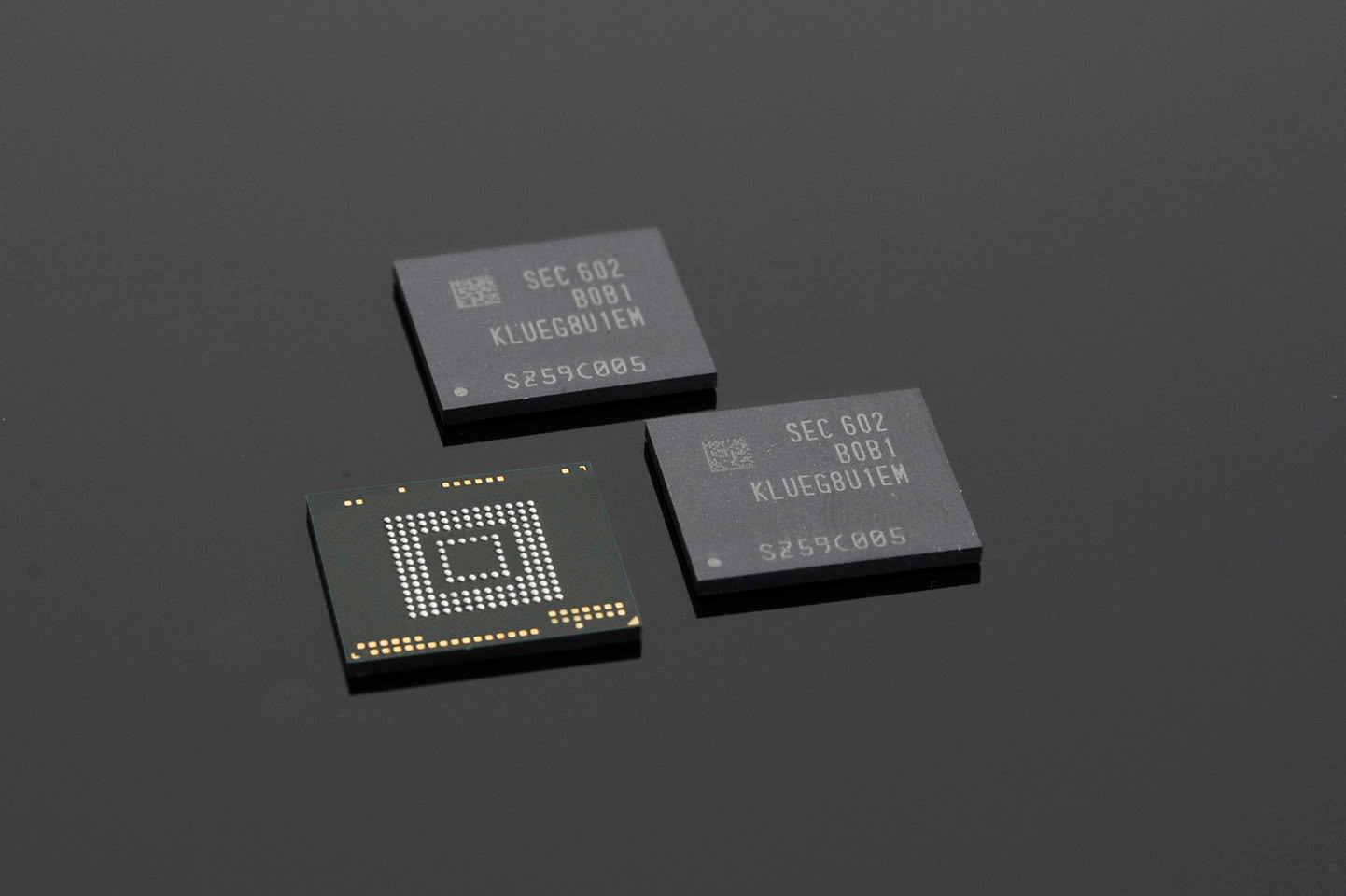
The incident originated from a user who posted a request for help on the official Raspberry Pi forum. He tried to solder a new 4GB memory chip to a Compute Module 5, but the system never correctly recognized the new capacity. In response, Raspberry Pi engineer and forum moderator PhilE confirmed that the device has been locked to the original factory memory configuration by firmware.
According to the disclosed information, this restriction is not a recent measure. The relevant firmware mechanism has actually been deployed as early as the end of 2024, but it has not been explained in such a clear way before. Therefore, it is not directly related to the rise in global memory prices since 2026 and the tension in memory chips brought about by the AI industry.
For long-time users who have been keen on tearing down, repairing and upgrading hardware, this confirmation is undoubtedly disappointing. The Raspberry Pi has always won the support of a large number of developers and makers with its concept of being open, customizable and encouraging hands-on practice, and memory upgrades have also been regarded by many technical users as one of the challenging and interesting modification projects.
Faced with questions from the outside world, PhilE explained the reasons why the company took this measure.
He said that in the past, some dealers would purchase low-capacity versions of Raspberry Pi equipment, then remove the original memory chips, replace them with memory chips of larger capacity but of unknown origin, and then package them as official high-specification models for sale. Since these devices have not been officially tested and verified by Raspberry Pi, once unstable operation, crash or other compatibility issues occur, it is still Raspberry Pi that ultimately bears the after-sales pressure and brand damage.
According to the Raspberry Pi, after the firmware locks the memory capacity, such commercial modifications will lose economic value, because even if a larger-capacity chip is installed, the system will not automatically recognize the new capacity, thereby eliminating the relevant arbitrage space.
However, the impact of the new mechanism is not limited to capacity upgrades.
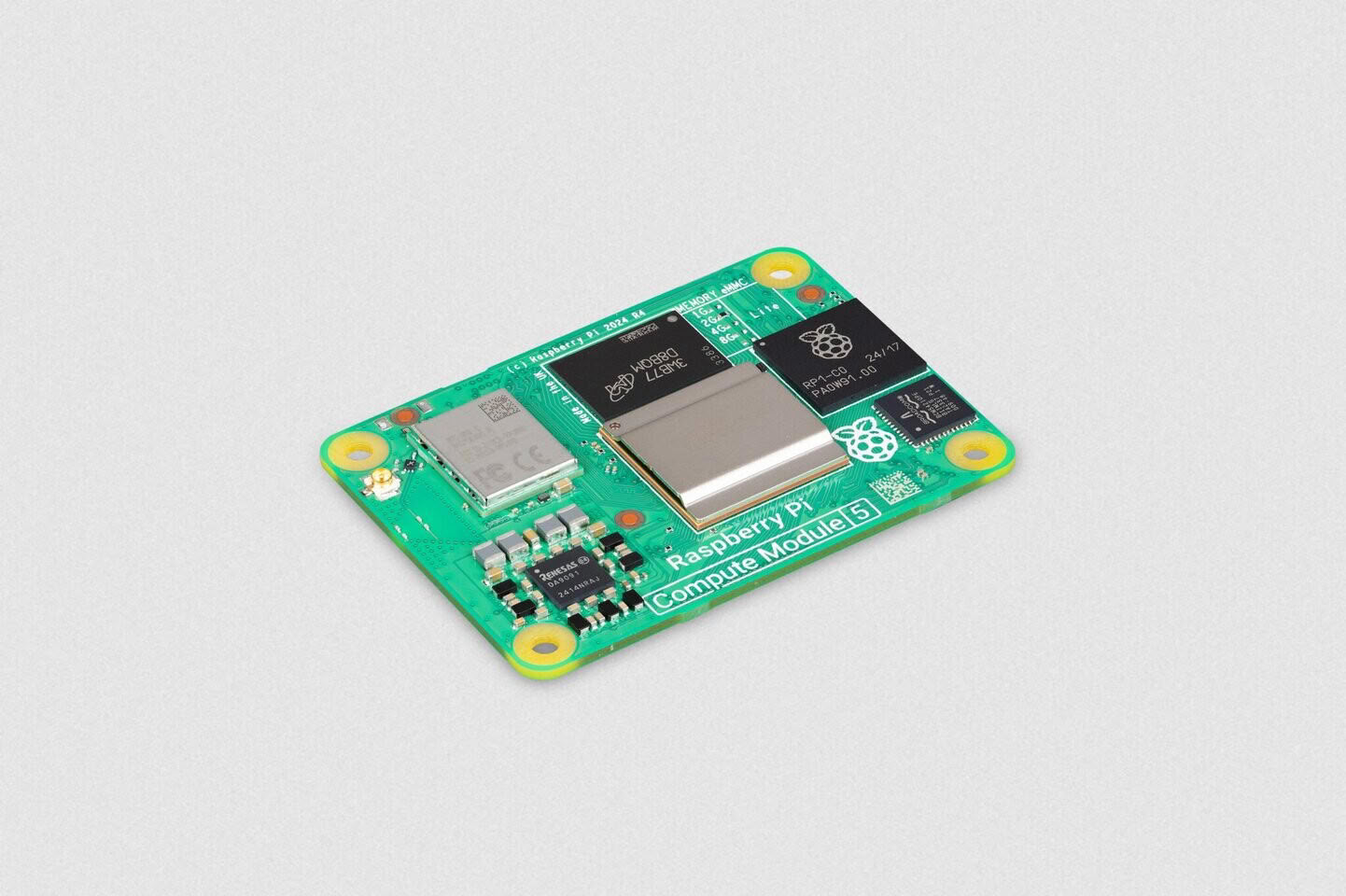
Raspberry Pi stated that the firmware not only records the factory memory capacity, but also saves other hardware attributes related to the memory device. Therefore, even if the user just replaces the damaged memory chip with a model of the same capacity, it may not work properly. This means that some legitimate repair operations will also be restricted.
This has become one of the most contentious issues for the maintenance community. Many believe that while it's understandable to prevent fraudulent commercial modifications, restricting all upgrades and repairs directly through firmware is too costly.
Some developers pointed out that if the Raspberry Pi wants to prevent unofficial modified equipment from impersonating original products, it can adopt a gentler approach. For example, setting a "warranty mark bit" similar to that in early models, or introducing a one-time modification mark, the device will automatically lose official technical support after hardware modification, instead of completely prohibiting upgrades.
In addition, some community members also believe that this move is somewhat inconsistent with the open hardware culture that Raspberry Pi has long advocated. For more than a decade, the Raspberry Pi has encouraged users to learn electronics, disassemble and modify the device, but now freedom at the hardware level is becoming more restricted.
At the same time, there are also voices expressing understanding of Raspberry Pi’s decision. They believe that as Raspberry Pi gradually enters the industrial control, commercial products and education markets, a large number of unproven upgraded devices may indeed bring brand reputation and technical support burdens. Officials have to make a choice between ensuring product reliability and maintaining an open culture.
Currently, Raspberry Pi devices using newer firmware versions may be affected by this mechanism. In theory, some early firmware may still not enable relevant restrictions, but as updates continue to advance, the era of capacity upgrades by simply replacing memory chips is basically over.
The controversy also reflects an increasingly common industry trend: Even on platforms known for their openness, hardware manufacturers are beginning to tighten control over device configuration through firmware and software. For the Raspberry Pi, how to find a new balance between product reliability and the expectations of the maker community may become an important issue to face in the future.
Comments