
Abstract:
Samsung Electronics is exploring a new generation of mobile device forms. According to the latest exposed information, the company is developing a smartphone with an expandable display, trying to open up new product routes beyond traditional bar phones and folding screen devices. If the project eventually reaches mass production, users will be able to dynamically change the screen size as needed, striking a balance between portability and large-screen experience.
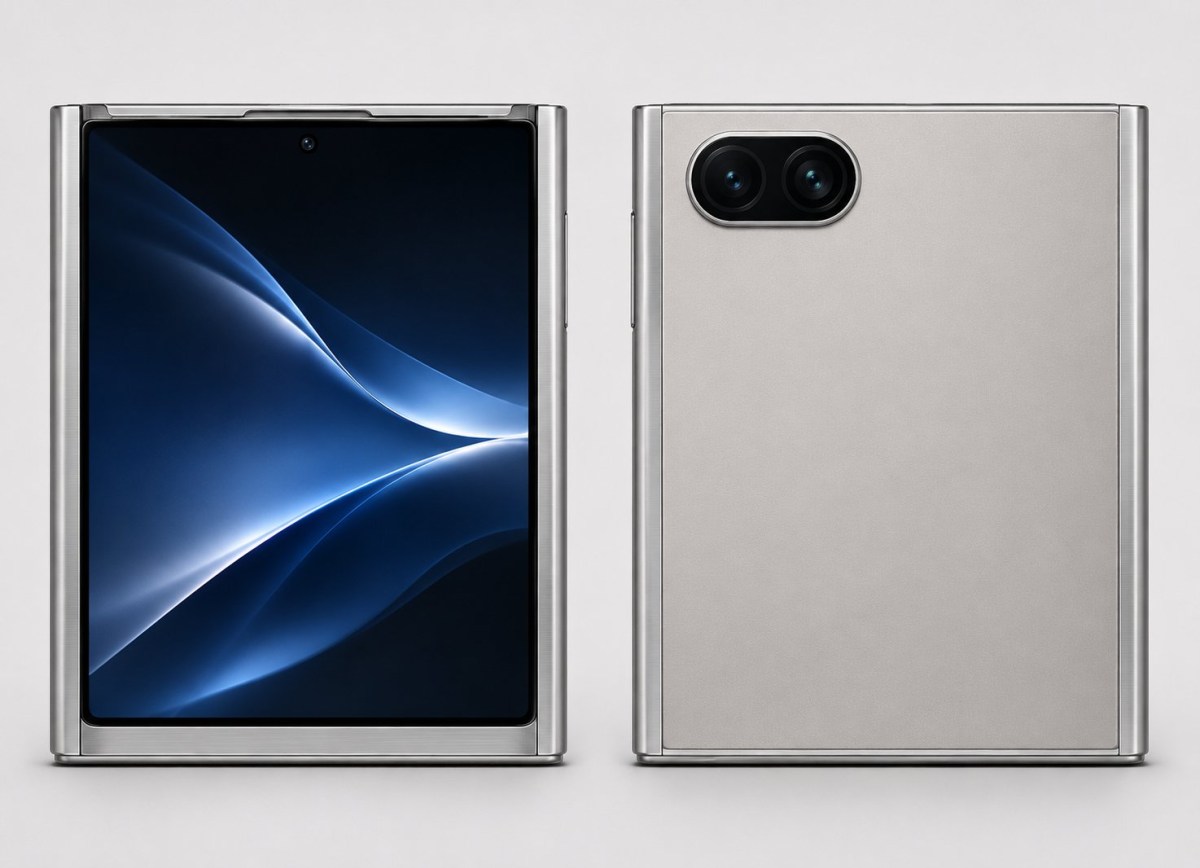
Unlike the folding screen phones currently on the market, this new device does not fold or unfold the screen through a hinge, but uses a scroll, sliding or retractable display structure. When the user needs a larger display area, the flexible screen hidden inside the fuselage can be extended outward to increase the display area; when not needed, it can be stored back inside the fuselage to keep the device compact.
Sources revealed that Samsung has been making technical reserves around this concept for many years. In fact, Samsung Display has previously demonstrated similar stretchable, rollable and expandable OLED prototypes at multiple international exhibitions. These concept devices demonstrate more possibilities of flexible display technology in future mobile terminals, proving that display size is no longer limited to fixed structures.
Judging from the information disclosed so far, Samsung hopes to use expandable screens to solve some of the shortcomings of folding screen devices. For example, folding screen products usually require complex hinge mechanisms and are prone to crease problems, while expandable designs can theoretically reduce the impact of creases in the center of the screen on the visual experience. In addition, when fully stored, the device size is also expected to be thinner and lighter than similar folding screen products.
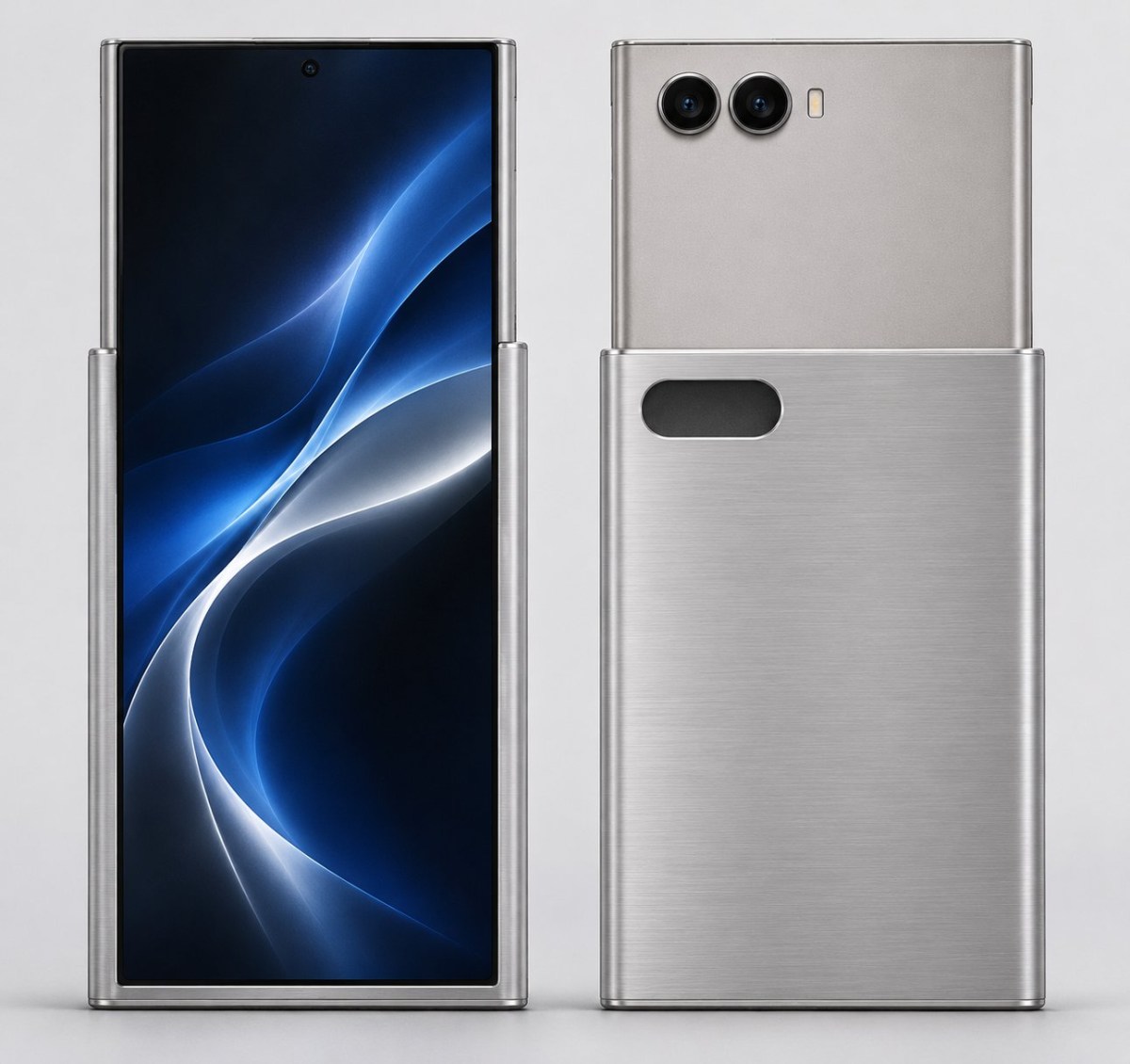
Industry analysts believe that if this design can be implemented maturely, users will not only get a larger space for reading, watching movies and games, but also get a tablet-like experience in terms of mobile office, multi-tasking and productivity applications. When carrying it daily, there is no need to face the inconvenience caused by large-sized equipment.
However, the official launch of extendable mobile phone distance still faces many technical challenges. Flexible display materials need to withstand frequent telescopic operations, and related structural components must also have sufficient durability. At the same time, internal space utilization, dust-proof design, battery layout, and long-term reliability testing will all become issues that need to be solved during product mass production.
As of now, Samsung has not officially announced the relevant product names, specifications or specific release time. The information flowing out at this stage comes more from the supply chain and industry news channels, so the design and functions of the final commercial product are still subject to adjustment.
In recent years, Samsung has continued to promote innovation in smartphone form factors. From the Galaxy Fold series of folding screen products to a variety of experimental display technologies, the company has been trying to find the next stage of development direction for smartphones. The scalable screen mobile phone project exposed this time shows that Samsung has not stopped exploring new device forms, but hopes to use its technical advantages in the field of OLED display to continue to lead the development trend of future mobile devices.
As flexible display technology continues to mature, expandable screen mobile phones may become another new product category after folding screens. However, whether it can enter the mainstream consumer market like a folding screen still needs to wait for Samsung to further demonstrate its practicality, durability and mass production feasibility.
Comments