
Abstract:
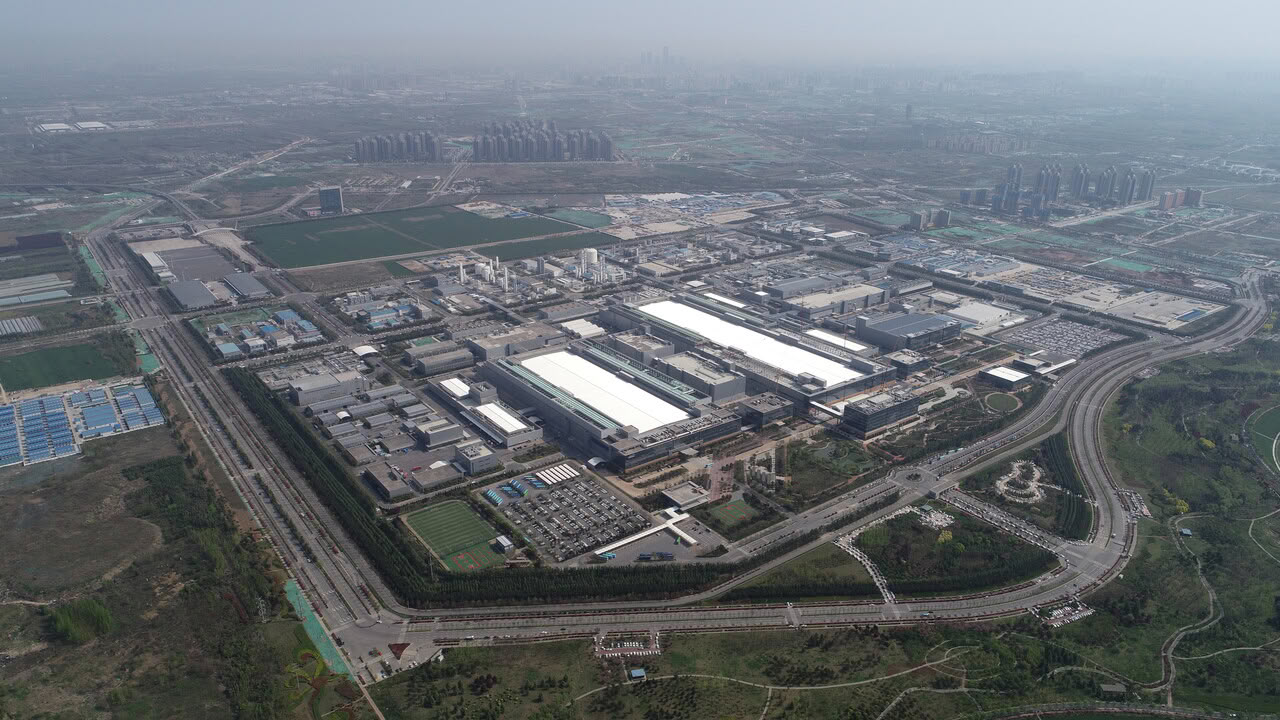
Samsung Electronics is planning to significantly increase the production scale of V9 NAND flash memory at its second wafer fab in Xi'an, China, but the new capacity is expected to mainly serve enterprise-class SSDs required for AI data centers, rather than ordinary consumer-grade storage products. According to the "Seoul Economic Daily" citing industry sources, Samsung plans to increase the monthly production of V9 NAND at the Xi'an X2 plant to approximately five times the current level by the end of 2027.
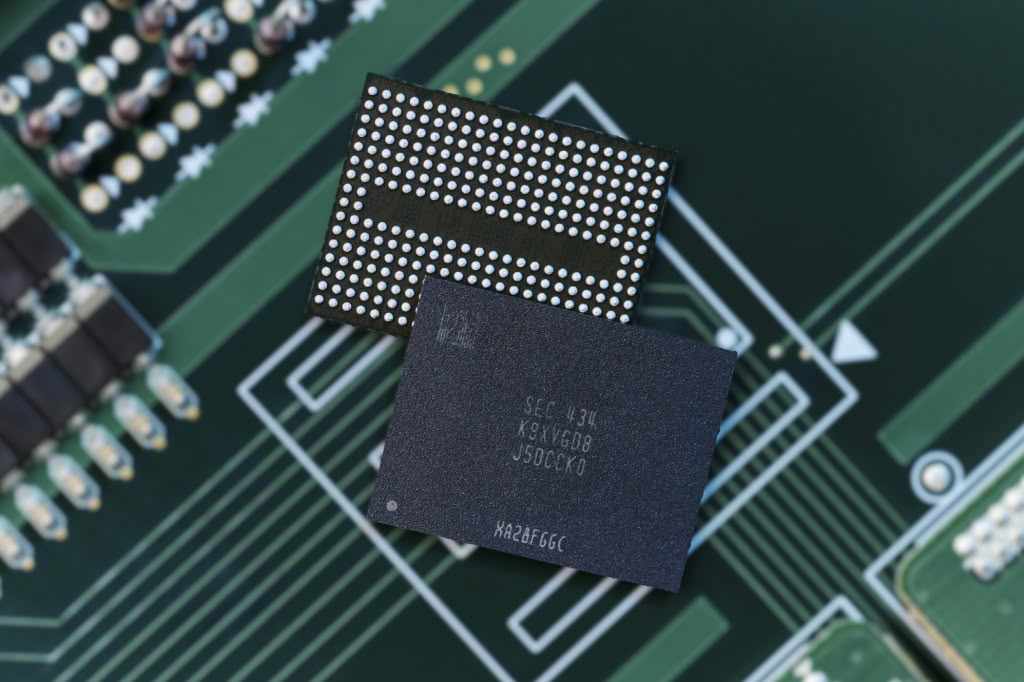
Currently, the X2 factory produces approximately 10,000 pieces of 286-layer V9 NAND on 300mm wafers per month. According to the latest plan, this number is expected to increase to approximately 50,000 pieces. The new output is expected to be prioritized for enterprise-class solid-state drives deployed in AI data centers, reflecting Samsung's increasing investment in high-density memory chips.
It is worth noting that the news comes as NAND spot prices have begun to fall. The report also stated that Samsung will build an electroplating production line in the existing vacant clean room space of the X2 factory. It is expected to move in the equipment around February 2027 and complete the transformation in November 2027. In addition, about 20% to 30% of the plant's existing V6 production lines will also be converted to produce V9 NAND.
On the whole, this is more like upgrading product structure and converting production capacity within existing factories, rather than building a new fab. Samsung has previously denied rumors of expanding production scale, so this plan may be more reflected in production line adjustments. However, judging from the specific figures, the new solution still means that more NAND flash memory will be produced in the future.
Analysts believe that Samsung is increasing its investment in more advanced V9 high-density NAND, and market research firm TrendForce predicts that NAND contract prices will still fall in 2027. This means that despite Samsung's expansion of advanced NAND production capacity, the storage market may still face price pressure.
Comments