
Abstract:
According to the latest news from the semiconductor industry and supply chain, global memory chip giant Samsung Electronics is planning to fully increase the supply prices of mobile DRAM memory and NAND flash memory chips for smartphone manufacturers in the upcoming quarterly negotiations. This potential price increase reflects the current tight supply and demand situation in the global memory chip market, and may also have a chain reaction on the overall cost and pricing strategy of downstream smartphone terminals.
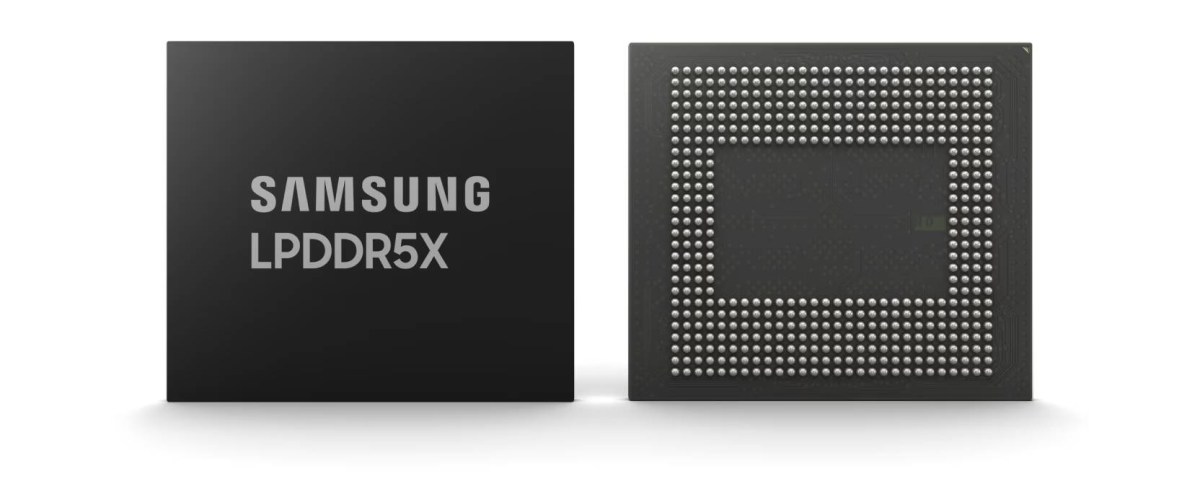
Industry analysts pointed out that the core driver of this memory chip price increase lies in the deep transformation of the semiconductor production capacity structure. With the explosive growth in demand for global artificial intelligence large model training and inference infrastructure, orders for high-bandwidth memory (HBM) and enterprise-level high-density storage chips continue to be full. In order to prioritize the supply of these high-margin data center products, mainstream memory chip manufacturers, including Samsung, have adjusted their wafer production capacity allocation and shifted a large number of advanced packaging and wafer production lines to AI hardware. This has objectively compressed the effective output of mobile memory (LPDDR) and conventional NAND flash memory that are traditionally oriented to consumer electronics and smartphones.
While the supply side is shrinking, the demand for software and hardware adaptation of the new generation of smartphones for end-side large models (On-Device AI) is driving up memory specifications. In order to ensure that complex terminal-side AI algorithms can run smoothly locally, major mobile phone brands generally increase the starting memory capacity of their main models to 12GB or even more than 16GB. This has caused mobile phone manufacturers to purchase high-performance storage particles per machine instead of decreasing. The tilt of the balance of supply and demand has provided chip manufacturers with strong bargaining power, and also contributed to the demand for price adjustment in this round of contracts.
DRAM and NAND flash memory are key core components that account for a very high bill of materials (BOM) cost in smartphones. The increase in their purchase prices will directly squeeze the profit margins of mobile phone brands. Especially for high-volume models and mid-range product lines that focus on the ultimate cost-effectiveness, the increase in supply chain procurement costs will be more sensitive. Faced with this cost challenge, major mobile phone manufacturers may face difficult choices in subsequent releases of new products: whether to pass on part of the rising supply chain costs to consumers through terminal price adjustments, or to make implicit compromises and balances in other hardware configurations such as body materials, imaging lenses, or fast charging.
Comments