
Abstract:
A research team from the University of British Columbia in Canada recently developed a new biodegradable fruit cleaning solution that can effectively remove pesticide residues on the surface of fruits during the cleaning process, while forming an extremely thin protective film to help fruits slow down water loss and spoilage. It is expected to simultaneously solve two major problems of food safety and freshness that have long troubled consumers.
For many families, fruits are usually washed, dried and then stored after they are bought home. However, in reality, grapes easily dry up and lose water, cut apples brown quickly, and berry fruits often spoil within a short period of time. At the same time, many consumers are also worried that pesticides may remain on the surface of fruits. Cleaning and preservation have long been viewed as separate problems requiring different approaches, but this new study attempts to merge the two into one.
Researchers point out that about a quarter of the world's fruits and vegetables are lost or wasted in the supply chain or consumption chain every year. Even extending freshness by just a few days can significantly reduce waste during transportation, storage and home use. Therefore, it is of great practical significance to find new technologies that take into account food safety and quality maintenance.
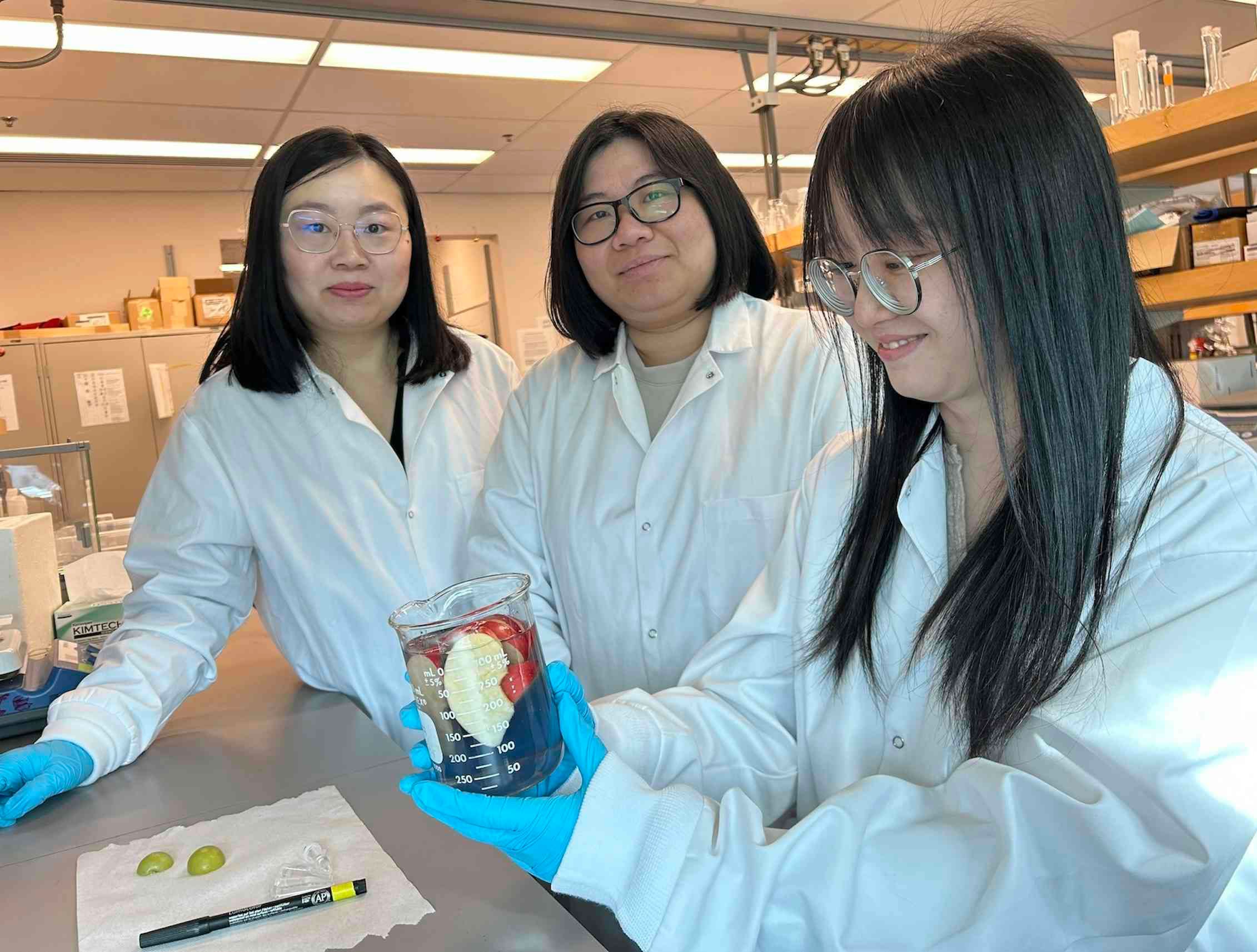
This new cleaning fluid is mainly composed of starch nanoparticles, tannic acid and iron elements. Starch is a natural plant-derived material widely used in the field of food science; tannin is a natural plant compound commonly found in tea, fruits and wine; iron is responsible for connecting tannins into a fine network structure. The combination of the three forms a special nanoparticle system, which can not only interact with some pesticide molecules, but also form a uniform covering layer on the surface of the fruit.
The research team said that during the cleaning process, this structure can absorb and take away pesticide residues attached to the surface of the fruit; and after the soaking process, the solution will form a very thin edible protective layer on the surface of the fruit. This protective film is not as thick as traditional fruit wax, but more like a "breathing second skin", which can reduce water loss without significantly affecting the normal gas exchange of the fruit.
To verify the effect, the researchers tested apples using three pesticides commonly used in actual agricultural production. Experimental results show that compared with ordinary tap water washing, this nano-cleaning liquid can remove 86% to 96% of pesticide residues, while ordinary water, soda water or starch solution can usually only remove less than half.
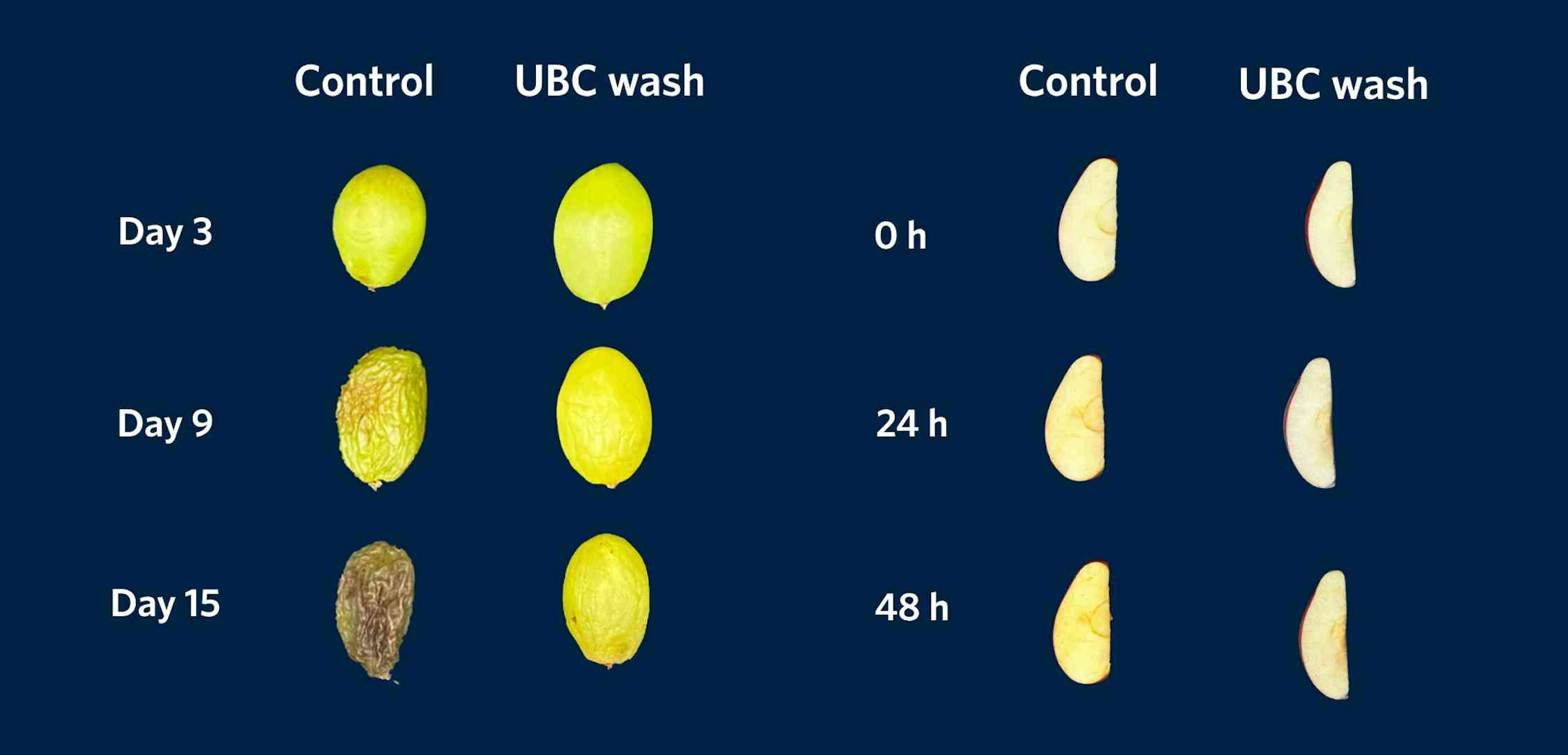
In addition to cleaning ability, freshness preservation performance is also of concern. In the experiment, after the treated fresh-cut apples were stored in the refrigerator for two days, the browning rate was significantly slowed down, and the water loss was also significantly reduced. Another grape test showed that at room temperature, treated grapes could still maintain good plumpness after 15 days, while untreated samples appeared significantly shrunken and shriveled.
The researchers also found that the treated fruits also performed more stably in terms of quality indicators such as acidity and soluble sugar. This shows that the protective layer not only reduces water evaporation, but may also help maintain the original flavor and texture of the fruit.
The project leader stated that the original intention of this research was to develop a simple, safe and affordable solution so that consumers do not have to choose between food safety and freshness quality. The research was even partially inspired by the actual experiences of members of the research team's families, whose children often consumed large amounts of blueberries and other fruits, raising concerns about long-term pesticide residue intake.
Currently, this technology is still in the laboratory research stage. The research team believes that although the results are encouraging, larger-scale testing is needed to verify its performance in different fruit varieties, commercial supply chains, and long-term storage environments before it can actually enter the market. At the same time, regulatory approval, safety assessment, and industrialization cost control still need to be further advanced.
Researchers believe that if it can be commercialized in the future, this new fruit washing liquid with both cleaning and freshness preservation capabilities will not only help reduce the risk of consumers being exposed to pesticide residues, but is also expected to reduce food waste and bring new solutions to the global food supply chain.
Comments