
Abstract:
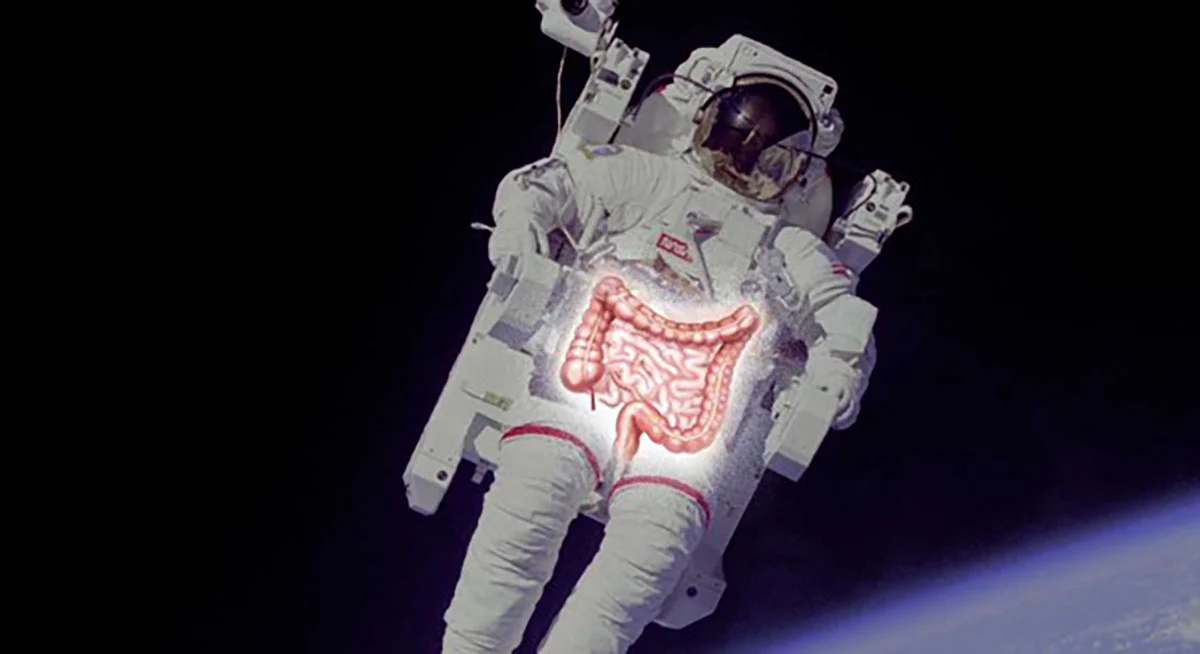
A new study conducted by the University of Copenhagen in Denmark in collaboration with NASA provides new clues as to why astronauts are prone to constipation in space. Researchers analyzed blood samples from 52 astronauts who spent several months on the International Space Station and found that changes in the protein fermentation activity of their gut microbes occurred within weeks of their departure from Earth, and that these changes continued until they returned to Earth.
Researchers believe that a weightless environment may cause food to move slower in the intestines, thereby changing the way intestinal microorganisms metabolize. Under normal circumstances, intestinal bacteria preferentially use dietary fiber for fermentation; when less dietary fiber is available, they will also break down more protein. The metabolite changes the researchers found in the astronauts' blood were signs of increased fermentation of this protein. Because food may pass through the intestines more slowly in space, researchers believe this process may explain why astronauts are more susceptible to constipation.
This study looks at more than just bowel movements. Researchers look for changes in metabolic activity in astronauts' bodies by detecting metabolites in the blood. These small molecules can reflect factors such as diet and intestinal activity, meaning changes in the gut may affect other parts of the body beyond the digestive system, including the brain. The research team noted that some substances produced by protein fermentation are often associated with adverse health effects such as kidney damage, mood changes, or decreased concentration. However, the research currently reveals correlations and possible mechanisms, which does not mean that these substances have been proven to directly cause the above-mentioned health problems in astronauts.
As space agencies prepare for longer manned missions to the moon and future deep space missions to more distant destinations, maintaining astronauts' gut health may become increasingly important. Researchers say future space flights may require measures to mitigate the adverse effects of weightlessness on the gut. Potential interventions include increasing dietary fiber intake, prebiotic supplementation, or other treatments that promote intestinal motility and shorten the time it takes for food to pass through the intestines. The research team believes that these measures are expected to reduce protein fermentation, help maintain a healthier intestinal environment, and reduce related health risks.
The researchers also pointed out that this discovery may have reference value for some people on the earth. Patients who are bedridden for a long time and have severely limited mobility are also prone to constipation, and they may also have increased protein fermentation, which in turn aggravates their existing health problems. Therefore, studying intestinal changes in space environment may also provide new ideas for improving the digestive health of bedridden patients.
The study, titled "Longitudinal metabolomic analysis reveals increased intestinal microbial protein fermentation during space flight," was completed by researchers at the University of Copenhagen in collaboration with NASA. The paper was published in the journal "Nature Communications" on June 29, 2026.
Comments