
Abstract:
During the COVID-19 pandemic, wastewater monitoring has become an important tool in public health. By testing the genetic material of the virus in city sewage, health departments can get a handle on infections throughout a community without testing residents one by one. Now, researchers at The Ohio State University have found that this method may have wider applications: bacteria in city sewers may be able to reflect the intestinal health of residents throughout the community, and even reveal the connection between chronic diseases such as obesity, hypertension, stroke, and socioeconomic conditions.

In this study, published in the journal Environmental Research, researchers hope to answer a question that has received little attention before: Since sewage can reflect the spread of infectious diseases in a city, can it also provide information about the long-term health of residents?
The main idea of the research comes from the human intestinal microbiota. There are a huge number of bacteria living in the human intestines, some of which will enter the sewer along with the feces and eventually be collected in the sewage treatment plant. Because the gut microbial composition of different populations may be affected by diet, lifestyle habits, disease, and environmental conditions, urban sewage effectively forms a microbial sample from the entire community.
The research team was led by Emma Lancaster and Jiyoung Lee, a professor of environmental health sciences at The Ohio State University. They analyzed 27 wastewater samples collected in 2022 from nine wastewater treatment plants in Ohio, covering eight cities, involving urban and rural areas, and serving a total population of more than 1.3 million people.
Researchers identified bacteria from sewage associated with the human gut and compared their composition with publicly available public health data. The data cover chronic disease incidence, smoking, depression, physical activity levels, demographic characteristics and socioeconomic status.
The results show that sewage from different cities has significantly different bacterial compositions, and these differences are related to the health status of local residents.
Researchers found that some types of bacteria in sewage are associated with community rates of chronic health problems such as obesity, high blood pressure, and asthma, as well as factors such as smoking, depression, physical inactivity, and unemployment.
Among them, a type of bacteria called Desulfovibrio is of particular concern. The study found that the abundance of these bacteria was associated with eight health indicators, including obesity, hypertension, stroke, mobility impairment, chronic kidney disease, coronary heart disease, chronic lung disease and non-skin cancer.
Desulfovibrio belongs to a group of bacteria that produce hydrogen sulfide. Hydrogen sulfide has complex biological effects in the human body, and researchers believe that excessive production of hydrogen sulfide in some cases may cause damage to cells. However, this study did not directly prove that these bacteria cause related diseases, but only found a statistical correlation between changes in their numbers and community health indicators.
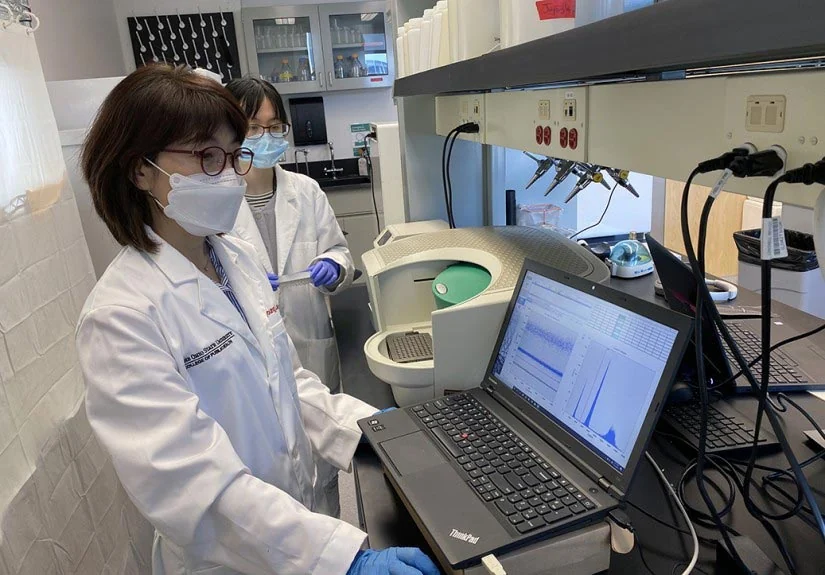
The study also found that rural communities generally had more Desulfovibrio in their sewage and had higher rates of chronic diseases. Lancaster, the leader of the study, believes that these different intestinal microbial characteristics may provide new clues for understanding the health disparities between urban and rural areas.
In addition to Desulfovibrio, the researchers also observed links between other bacteria and specific health and lifestyle indicators. For example, communities with higher rates of smoking also had higher proportions of certain Firmicutes bacteria in their sewage, while communities with lower levels of physical activity showed more bacteria such as Desulfovibrio and Tolumonas.
In terms of asthma, the researchers found that communities with higher rates of local asthma had less uniform gut bacterial communities, with a smaller proportion of the genus Akkermansia. Akkermansia is often considered a type of microorganism related to intestinal health, so this discovery also provides a direction for further research on the relationship between intestinal microorganisms and respiratory diseases.
Socioeconomic factors are also reflected in the microbial composition of sewage. The study found that communities with higher unemployment rates tended to have lower gut microbial diversity, along with higher proportions of certain bacterial taxa. This suggests that microbial signatures in wastewater may not only be relevant to individual health, but may also reflect the broader living environment and social conditions of a community.
Researchers believe that this monitoring method has an advantage that traditional medical statistics cannot completely replace: it can observe the entire community at the same time, not just the people who actively go to the hospital for treatment or physical examination.
Jiyoung Lee said wastewater provides a unique way for researchers to understand the health of entire communities, not just the patients who show up at clinics and hospitals.
In the future, if this technology is further validated, public health departments may be able to identify communities with poorer health and a higher burden of chronic diseases by regularly analyzing urban sewage, thereby allocating medical resources in a more targeted manner.
The researchers also proposed a more practical direction: using wastewater monitoring to evaluate whether public health interventions are effective.
For example, after a city implements a nutrition plan to improve residents' dietary structure, it can continuously detect the composition of intestinal bacteria in sewage and observe whether the relevant microbial characteristics have changed. If reliable correspondence can be established, wastewater monitoring has the potential to become a complementary tool for assessing the effectiveness of nutrition improvement projects.
However, this research is still in the exploratory stage and has some obvious limitations.
First of all, the study only analyzed 27 samples from 8 cities. The number of samples was relatively limited, and the collection time was concentrated in 2022. The research results are not enough to prove that these bacterial characteristics can accurately predict the incidence of chronic diseases in a certain city, let alone be used to directly determine whether a specific resident is sick.
Secondly, not all bacteria in sewage come from the human intestine. Some microorganisms themselves also live in the sewer environment, and their number may be affected by factors such as the residence time of sewage in the pipeline, temperature, and pipeline environment. Therefore, researchers must further distinguish which microbial signals actually come from the human body and which may be caused by the sewer environment itself.
In addition, chronic diseases such as obesity and hypertension are affected by many factors such as diet, genetics, medical resources, and living environment. Even if there is a correlation between a certain type of bacteria in sewage and the proportion of diseases, it cannot be concluded that it is the cause of the disease.
The researchers believe that the next step is to expand the scale of the study, collect sewage samples in more cities and over a longer period of time, and analyze factors such as diet, medical service accessibility, and pipe environment to confirm whether these microbial indicators have stable public health value.
The significance of this study is that it further expands wastewater monitoring from traditional infectious disease tracking to chronic disease and community health research. In the future, city sewers may not only be able to tell us whether a certain virus is spreading, but may also become a window into the overall health of residents in an area.
Comments