
Abstract:
A new study shows that some industrial chemicals widely present in daily life may have unexpected effects on human breast tissue. Using advanced human breast tissue models, researchers found that even at low exposure levels, some common chemicals can induce biological changes related to the development of breast disease. This result has triggered further attention from researchers on the existing chemical safety assessment system.
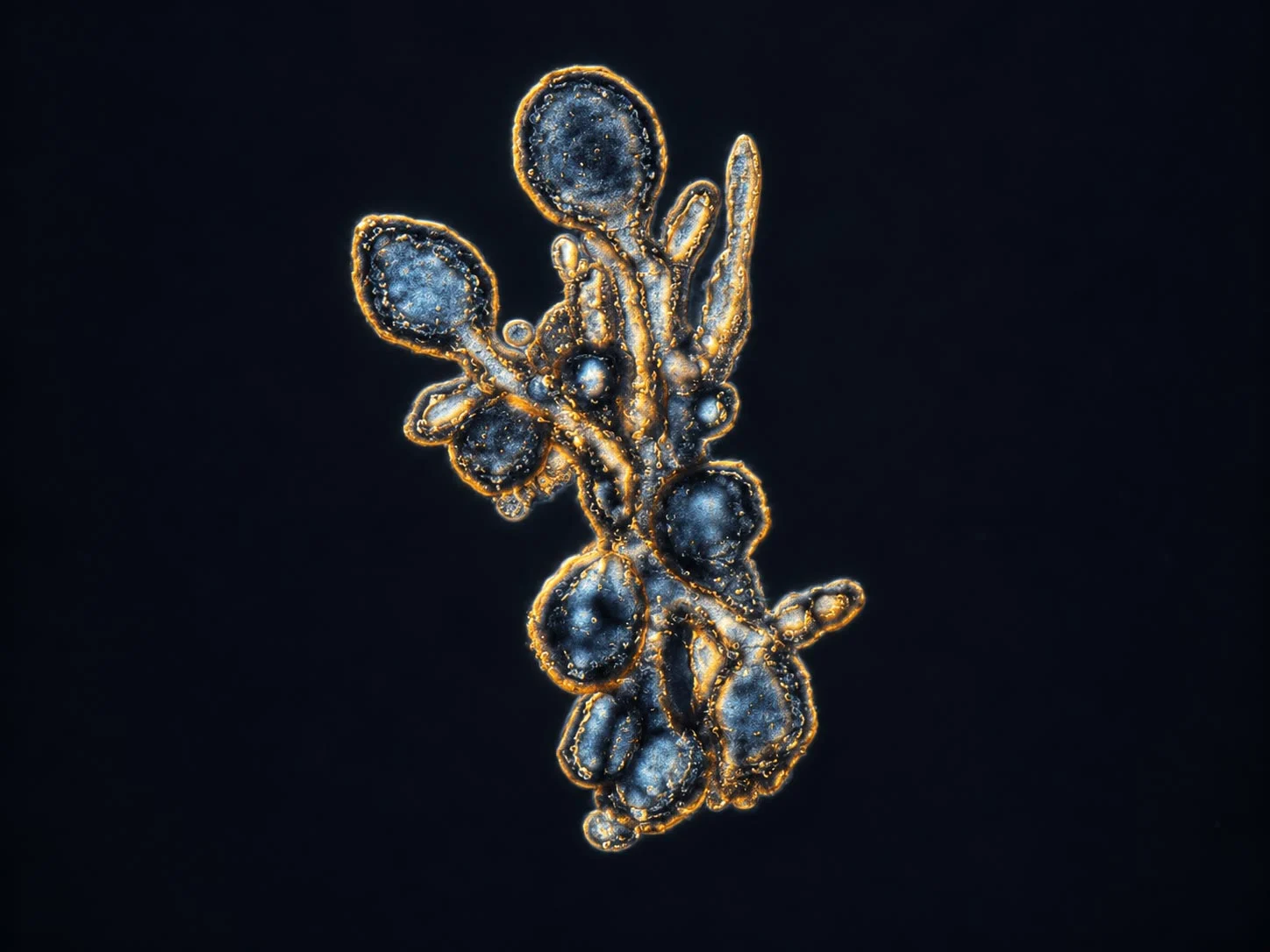
The study was conducted by US scientists to assess the possible long-term effects of common chemicals in the environment on breast health. The research team conducted experiments using a three-dimensional human breast tissue model, which can more realistically simulate the human tissue environment and provide data closer to the actual situation than traditional cell culture methods.
During the study, the researchers tested a variety of chemicals widely used in consumer products and industrial production. The results showed that some of these substances can significantly change the growth pattern, tissue structure and interaction between breast cells. The researchers pointed out that although such changes do not necessarily directly lead to cancer, their characteristics are similar to changes that occur in the early stages of some known breast diseases.
The study also found that some chemicals can affect the signaling mechanism within breast tissue and change the cell division and development process. Under certain experimental conditions, the research team observed abnormal proliferation of tissue structures and obvious changes in cell behavior. Scientists believe these results suggest that existing assessments of the chemical's safety may underestimate its potential impact on breast tissue.
It is worth noting that the chemicals involved in the study are not special experimental products, but common compounds that the public may be exposed to in their daily lives. These substances may be found in plastics, personal care products, packaging materials and other consumer products. Therefore, the researchers believe it is necessary to further evaluate the health risks posed by long-term, low-dose exposure.
The research team emphasized that the current findings mainly come from human tissue models constructed in the laboratory and do not mean that these chemicals have been proven to directly cause breast cancer or other diseases. But the findings provide important clues that larger human studies are needed to confirm the association and its underlying mechanisms.
Scientific researchers said that breast tissue is highly sensitive to hormones and environmental factors, so more attention should be paid to breast health-related risks in chemical supervision and public health policy formulation. They called on regulatory agencies to include more advanced human tissue models and more comprehensive biological indicators in future chemical substance approval and safety assessment work, thereby improving the ability to identify potential health risks.
The study authors believe this work is further evidence that traditional toxicology testing alone may not fully reflect the effects of chemicals on complex tissues in the human body. As new bioengineering models continue to develop, the scientific community is expected to discover earlier environmental risk factors that may affect human health but were easily overlooked in the past.
Comments