
Abstract:
As the demand for advanced memory from artificial intelligence, high-performance computing and next-generation mobile devices continues to grow, South Korean memory chip giant SK Hynix is accelerating its transformation to the latest generation 1c DRAM process. The latest industry news shows that the company is adjusting its production capacity structure on a large scale and plans to migrate more and more DRAM products to the sixth-generation 10-nanometer 1c process node production, and is expected to establish the dominant position of this process in the next few quarters.
Data shows that in the first quarter of 2026, 1c DRAM only accounted for about 10% of SK Hynix’s overall DRAM production; in the second quarter, it increased to about 13%. After entering the third quarter, this proportion is expected to rise significantly to 24%, and by the fourth quarter, more than one-third of DRAM products will be manufactured using the 1c process, accounting for about 34%. According to the current plan, by the first quarter of 2027, the proportion of 1c process will further increase to about 35%, exceeding the current main process 1b node's proportion of about 33% for the first time, becoming SK Hynix's most important DRAM production platform.
Industry insiders pointed out that DRAM process nodes and logic chip manufacturing processes cannot simply correspond. Storage manufacturers usually distinguish different generations of 10-nanometer DRAM technology by "1a, 1b, 1c" and other methods. The core differences are reflected in transistor density, EUV lithography layer count and overall manufacturing complexity. The actual design size of SK Hynix's currently widely used 1b process is about 12 to 13 nanometers, and uses about 4 layers of EUV lithography technology; while the newer 1c process is further reduced to about 11 to 12 nanometers, while using 5 to 6 layers of EUV lithography technology to achieve higher density and better energy efficiency.
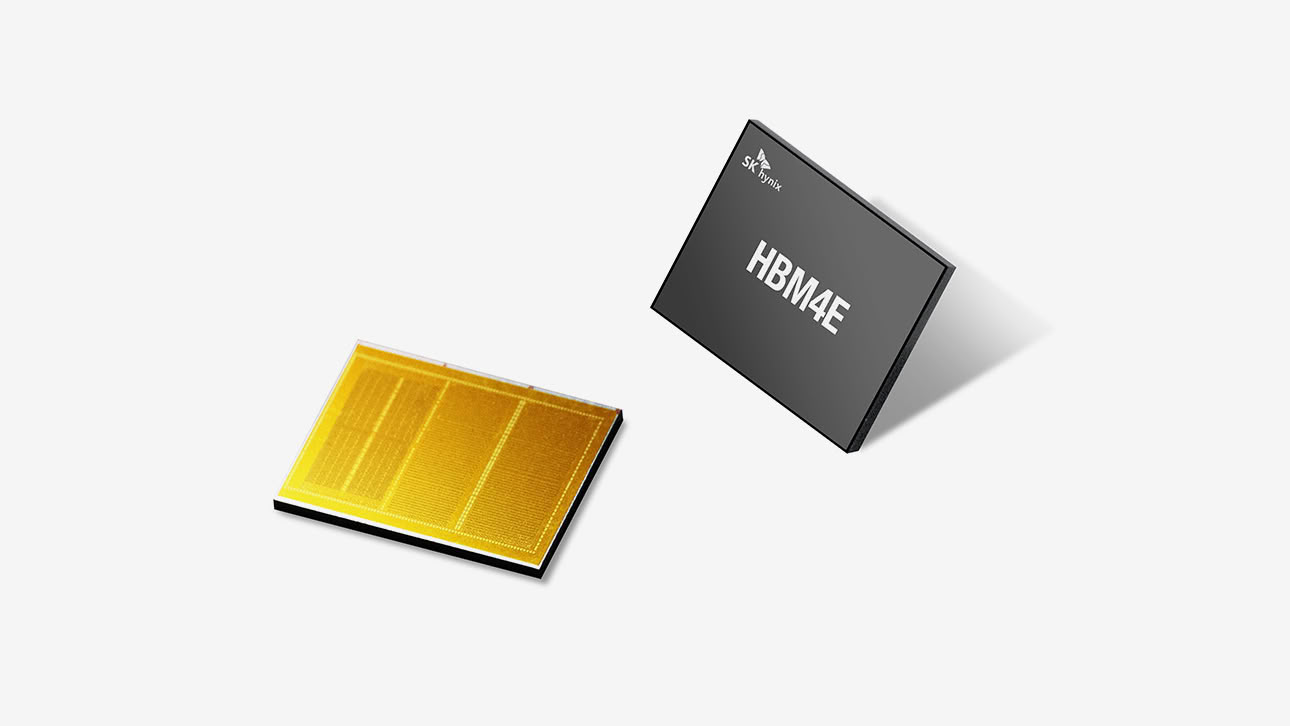
According to the plan, the 1c process will undertake the production of many key products of SK Hynix in the future, including HBM4E high-bandwidth memory for the artificial intelligence market, new generation LPDDR6 mobile memory, and DDR5 server and desktop memory products. The current main 1b process is mainly used in products such as DDR5, LPDDR5X, HBM3E and HBM4.
From the perspective of industrial competition, Samsung Electronics and Micron are also promoting the transformation of 1c processes, but SK Hynix is rapidly narrowing the gap and is expected to catch up. Currently, approximately 16% of Samsung's DRAM production comes from the 1c process, and Micron's approximately 19%, both of which are higher than SK Hynix's 13% ratio in the second quarter. However, with the rapid switching of production capacity in the second half of the year, SK Hynix is expected to achieve overtake in the fourth quarter and become one of the manufacturers with the largest 1c DRAM production capacity in the world.
Analysts believe that one of the important reasons why SK Hynix is actively promoting the 1c process is that its leading advantage in the high-bandwidth memory market continues to expand. As the demand for AI servers explodes, HBM has become one of the most important high-profit products, and the 1c process will become an important technical foundation for the next generation HBM4E. By completing the introduction of advanced processes ahead of schedule, the company hopes to further consolidate its competitive position in the AI storage market.
However, as DRAM shrinkage continues to advance, the industry is also facing new technical challenges. The traditional 6F² planar memory cell structure is getting closer and closer to the physical limit, and the difficulty and cost of continuing to reduce the size are rising. Therefore, memory manufacturers including SK Hynix have begun research on the next generation 4F² vertical gate transistor architecture and 3D DRAM stacking technology, hoping to break through the existing technical bottlenecks through new structural designs.
Although the next-generation architecture is still in the research and development stage, the industry generally believes that the 1c process will continue to play a core role in the next few years. For SK Hynix, this is not only a routine process upgrade, but also an important strategic turning point in the competition for high-performance storage in the AI era.
Comments