
Abstract:
SpaceX is evaluating its own production of optical communications equipment such as fiber optic cables for use in the Starlink network and potential data center operations. The news comes from an interview with supply chain experts by WK Substack and later reported by Wccftech; the identity of the interviewee has not been disclosed, and SpaceX has not confirmed relevant plans, so it is still a supply chain rumor that has not been officially confirmed.
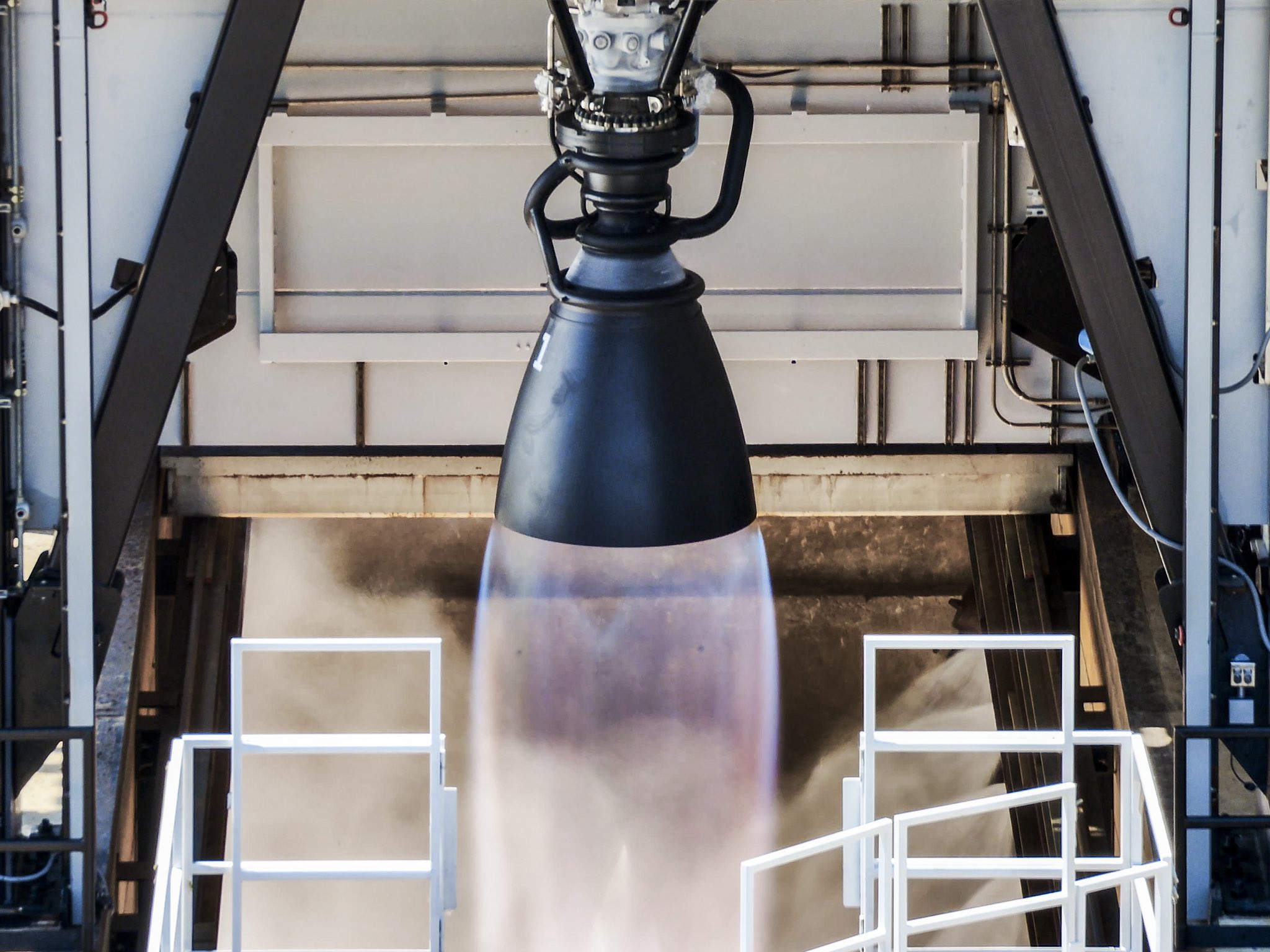
The expert said that SpaceX’s current fiber optic cable suppliers include Corning of the United States, as well as China’s Hengtong Optoelectronics and YOFC; the company is also looking for other procurement channels for optical transceivers. Optical transceivers are responsible for converting electrical signals and optical signals at both ends of the optical fiber network and are an important component of data center interconnection. The report compared this to SpaceX's own development of Merlin and Raptor rocket engines and production of some starship components. It is believed that the company may hope to strengthen supply security and control costs through self-manufacturing or diversified procurement.
The U.S. Federal Communications Commission is drafting measures to restrict the import of new models of data center equipment from China, including optical transceivers; however, Reuters reported that the plan may still be modified or shelved and has not yet taken effect. There is currently no company-level confirmation on whether SpaceX will adjust its supply chain as a result. What needs to be distinguished is that the fiber optic cables mentioned in the report are mainly used for terrestrial network and data center connections, not laser links between satellites. SpaceX official information states that Starlink satellites are equipped with three inter-satellite optical links, with a maximum speed of 200 gigabits per second. According to public reports, SpaceX has submitted an application to the US Federal Communications Commission to deploy up to 1 million orbiting data center satellites, envisioning access to the Starlink network through high-speed optical links, but this application does not mean that the project has been approved or has entered the construction stage.
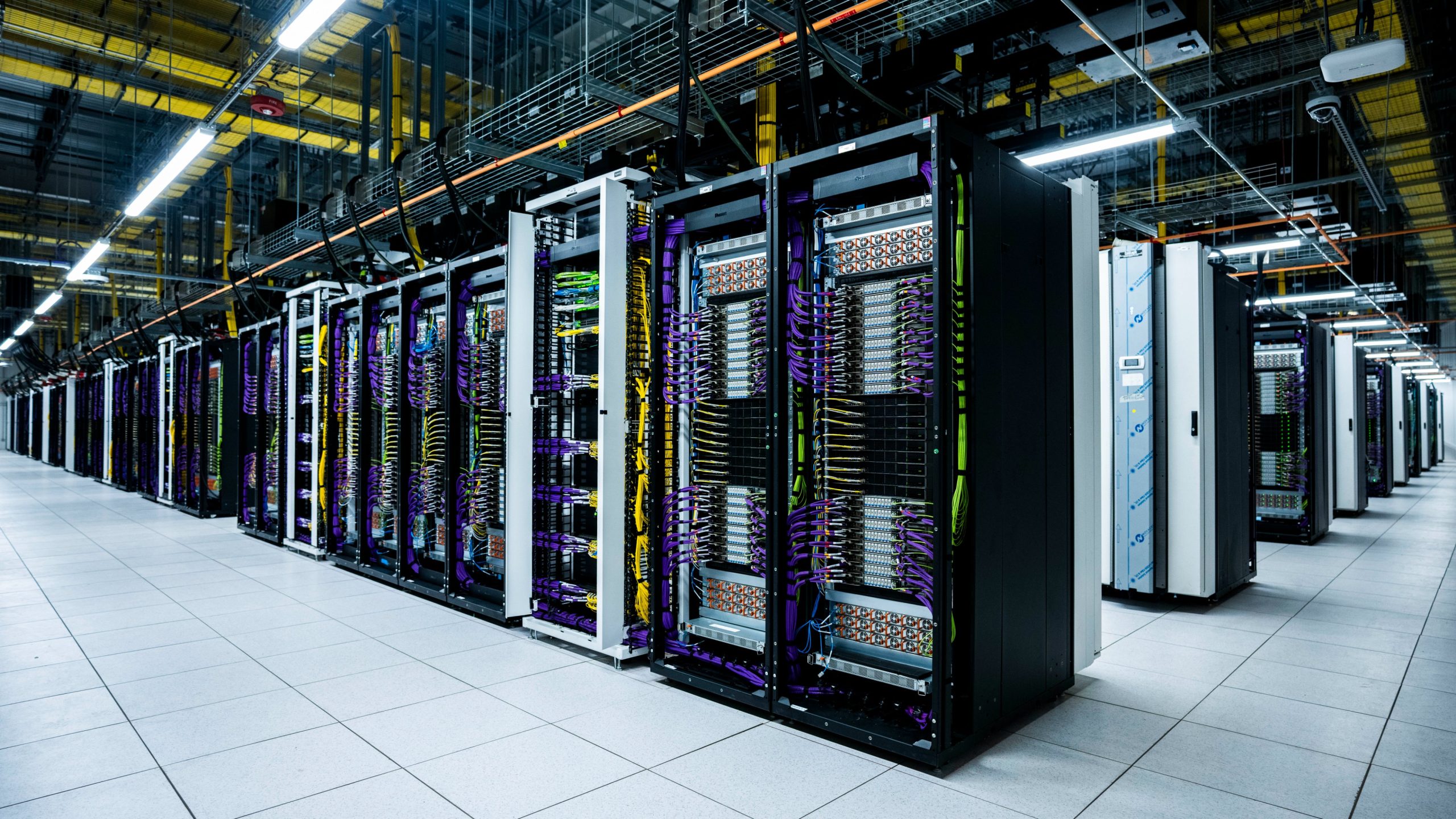
The same interview also estimated that of the 10 GW of AI computing power planned by SpaceX, about 60% may be used internally by SpaceX, Tesla and xAI, and the remaining 40% is for external customers such as Google and Anthropic; sources also said that the company's goal is to increase capacity to 20 GW around 2028. The interview also mentioned the launch of an orbital data center called Star Mine in 2027, and the construction of a lunar data center in 2028, with Tesla Optimus robots participating in the deployment. These capacity allocations and schedules are derived from anonymous expert interviews, have not been publicly confirmed by SpaceX, and should not be regarded as finalized plans.
Comments