
Abstract:
Major European telecom operators are jointly promoting a new satellite communications plan, hoping to establish a European "Direct-to-Device, D2D" service system that can compete with SpaceX Starlink.
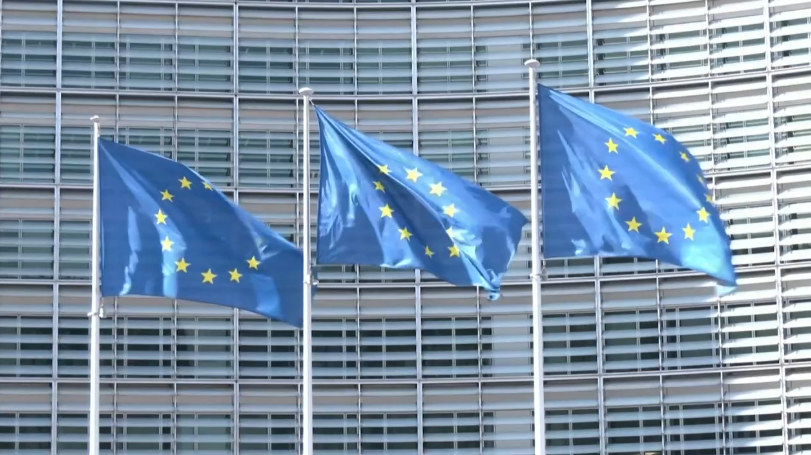
According to information disclosed by multiple media, Deutsche Telekom, Orange, Telefónica and Vodafone have signed a letter of intent to jointly compete for future allocated satellite spectrum resources in Europe and promote the construction of a direct satellite communication network covering the European region. Unlike traditional satellite phones, this technology allows ordinary smartphones to connect directly to satellites to provide text messaging, voice and data services in remote areas, at sea, in mountains, or when ground communication infrastructure is damaged.
In this plan, four operators will be responsible for building the ground network infrastructure and related coordination and monitoring systems, while the actual satellite constellation will be provided by an as-yet-unannounced partner. Operators stated that this model can combine European local operational capabilities with mature satellite technology to meet the growing demand for communication coverage and enhance the resilience and security of critical communication networks.
An important background for promoting this cooperation is Europe's growing concern for "digital sovereignty" and communications autonomy. In recent years, SpaceX has rapidly expanded its global influence through the Starlink satellite network and actively promoted Direct-to-Cell technology, allowing existing LTE smartphones to directly access the satellite network without additional antennas or dedicated terminals. As the technology matures, European regulators are increasingly concerned about overreliance on overseas companies for critical communications capabilities.
The European Union proposed a new spectrum planning plan this year, planning to reallocate the 2GHz mobile satellite frequency band. According to the plan under discussion, some spectrum resources will be reserved first for operators controlled by European companies to promote the development of the local satellite communications industry. The existing relevant spectrum licenses will expire in 2027, and new allocation rules are expected to determine the future development pattern of the European direct-connect satellite market.
If the cooperation is finally implemented, the user base formed by the four operators will cover most major markets in Europe, providing them with a huge customer base to establish competitive satellite services. However, key issues such as financial arrangements, organizational structure and whether to formally participate in the bidding have not yet been determined, and relevant discussions are still in the early stages.
It is worth noting that the relationship between European operators and US satellite companies is not purely competitive. Some operators participating in the discussion have previously established partnerships with companies such as Starlink or AST SpaceMobile. For example, Deutsche Telekom has reached cooperation with Starlink, while Vodafone has established a joint venture with AST SpaceMobile to carry out satellite communications business. This means that the European market may present a complex situation of both cooperation and competition in the future.
Analysts believe that as the global communications industry develops towards an integrated network of space and ground, mobile phone direct connection to satellites is becoming a new battlefield for operators to compete for. This joint action by Europe's four major operators is not only related to commercial competition, but is also seen as an important step for Europe to strive for greater autonomy in the field of satellite communications.
Comments