
Abstract:
An internal Apple design that has been hidden for many years has recently been resurfaced. With the help of artificial intelligence and simulator technology, an iPhone multitasking interface that has never been officially released has been successfully restored to operation, allowing the outside world to take a close look at another interactive solution that Apple considered during the development of iOS 4 for the first time.
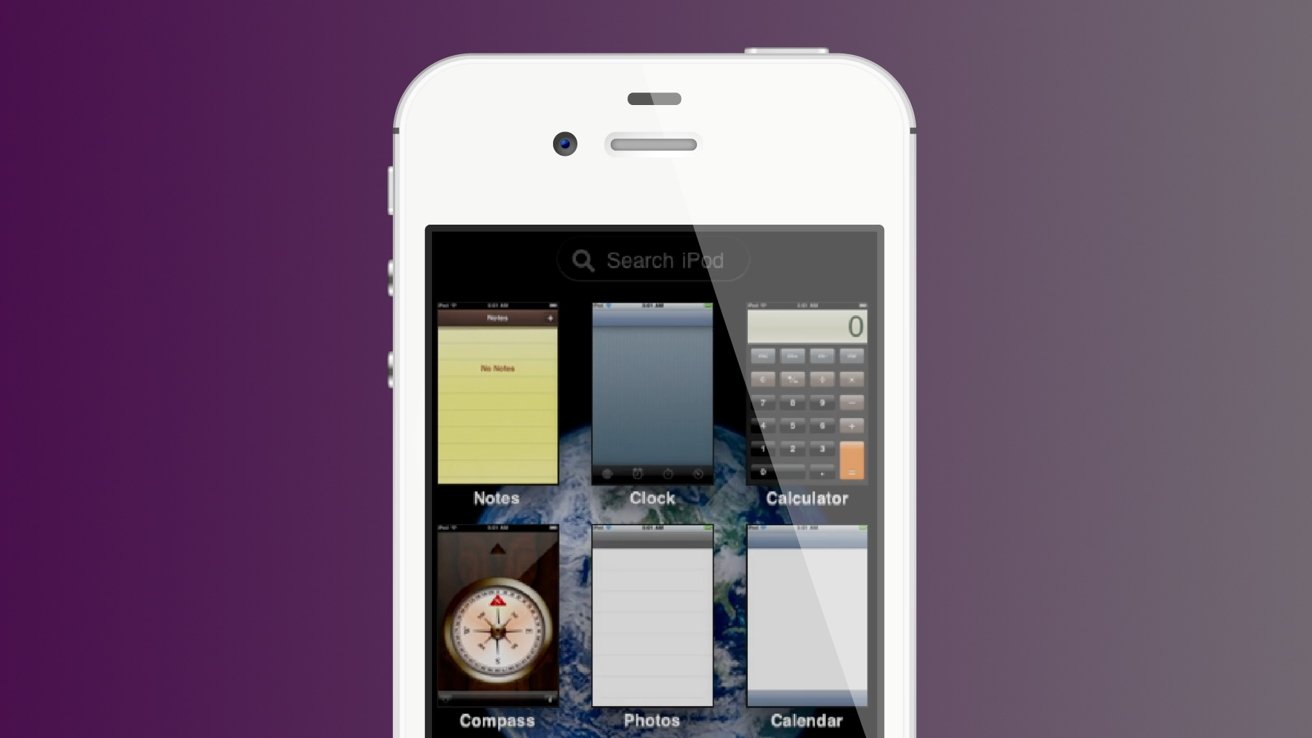
The report said that before the emergence of the application switcher that users are familiar with today, Apple's first multitasking function designed for the iPhone used a sliding drawer interface at the bottom of the screen. Users can call up applications running in the background by double-clicking the Home button. However, Apple also tried a more radical and visually impactful design that year, displaying all running applications directly on the screen in the form of cards.
As early as 2010, there were rumors in the industry about this Mac "Exposé" view style interface. In 2011, a special version of iOS 4 was discovered in an iPhone 4 prototype, which contained relevant design clues. However, in the more than ten years since then, this card-style multi-tasking interface has never been truly displayed to the outside world, and its operating effects have never been known.
Until recently, this situation changed. Well-known developer Steve Troughton-Smith shared a video on the Mastodon platform, showing a previously unpublished test version of iOS 4 running in the QEMU simulator. The video shows that the system version number is 8A218, which is only slightly later than the 8A216 version discovered in 2011. It is an internal build that is extremely close to the development stage of that year.
The developers said that artificial intelligence played a key role in this "resurrection" process. Thanks to AI-assisted development technology, many ancient iOS systems that were originally unable to start can now be run again through the simulator. According to existing information, this rare system does not come from Apple's official recovery package, but from the root file system retained by a prototype device or development machine. With the help of AI tools such as ChatGPT, the developers finally successfully launched the system in the QEMU environment.
Judging from the public video, the multitasking interface envisioned by Apple would display each running application as an independent card, occupying most of the screen area. After users double-click the Home button, they can directly view all background applications and quickly switch between different programs without having to scroll left and right through the list like later designs.
Although this design ultimately failed to land on the iPhone, some of its ideas later appeared in another form on the iPad product line. Before iPadOS introduced windowed multitasking capabilities, the iPad application switcher also used a card-style display, allowing users to swipe left and right to browse open applications. However, the two are not exactly the same. For example, early iOS solutions had the app name at the bottom of the interface, while the iPad implementation places the name in the top area.
The report pointed out that without the rapid development of artificial intelligence technology in recent years, the outside world may never be able to see this design concept abandoned by Apple again. This demonstration not only unveiled a little-known chapter in the history of Apple's mobile operating system, but also demonstrated the new potential of AI in the fields of digital archeology, software preservation, and historical technology recovery.
For users who have long followed Apple's development history, this video provides a rare opportunity to get a glimpse of another technical route Apple took when exploring mobile multi-tasking interactive experience, and also brought this design concept that has been dormant for more than 16 years back into the public eye.
Comments