
Abstract:
According to reports, the U.S. Army has approved the construction of up to 20 nuclear microreactors at military bases in the United States to provide reliable power while strengthening the U.S. nuclear industry base. The plan, announced on August 26, is part of the Army's "Project Janus." The program aims to develop stationary and transportable microreactors suitable for defense applications.
The goal of this project is to provide stable basic power supply for military bases. Relevant bases include not only remote bases such as Alaska that face power supply difficulties due to limited logistics conditions, but also conventional military bases that have long relied on fragile and increasingly unstable civilian power grids.
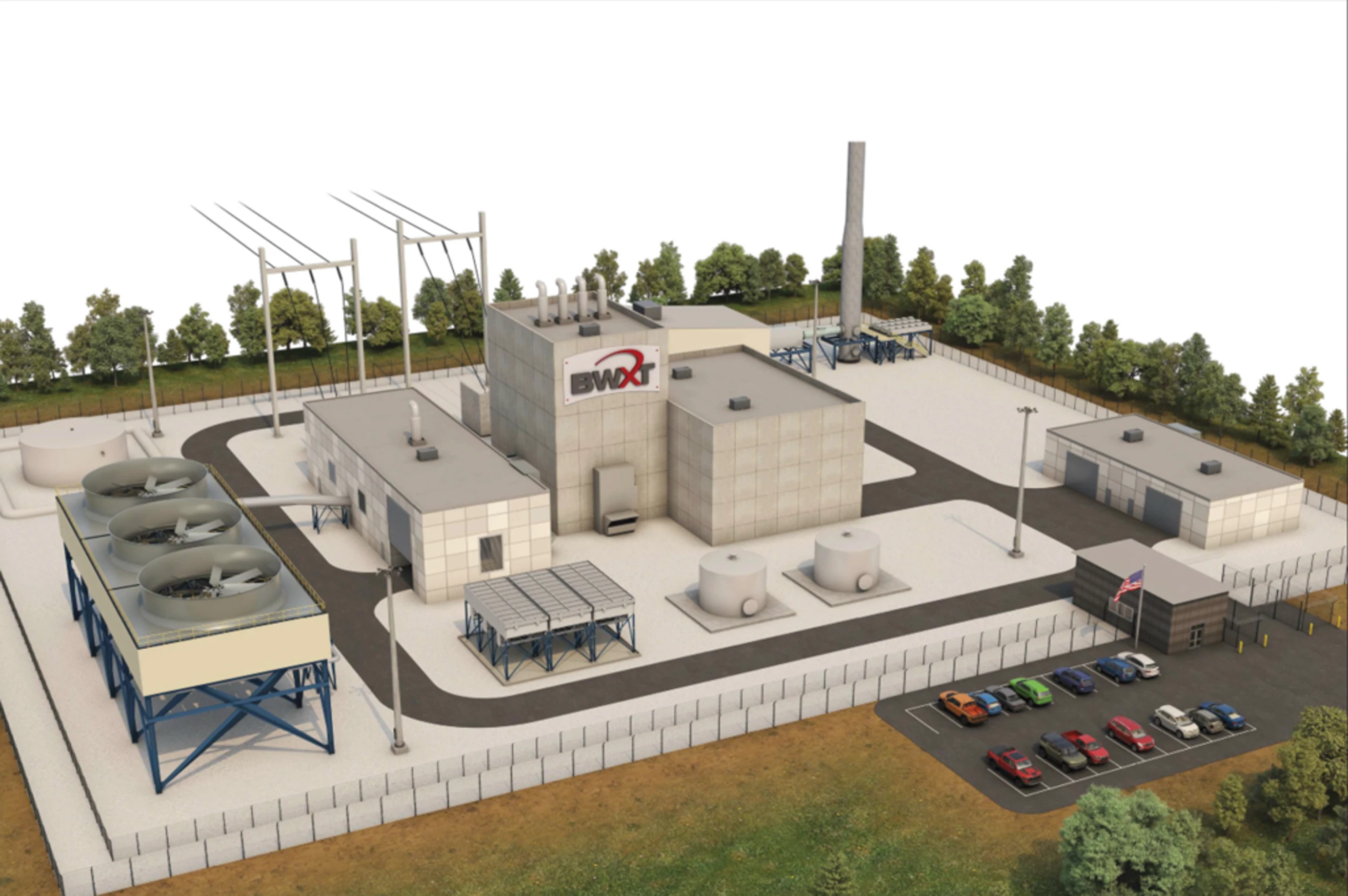
Another part of the plan is to advance America's nascent nuclear energy renaissance by distributing site selection and deployment assessments among five different companies. The five companies are BWXT Advanced Technologies, Westinghouse Government Services, Radiant Industries, General Atomics Electromagnetic Systems and Antares Nuclear.
It is significant that these microreactors will be manufactured in factories and then shipped to sites for installation. Traditional nuclear power projects in the United States currently face many obstacles: a complex and tortuous regulatory system that is not friendly to new nuclear power plants makes commercial nuclear power projects expensive, slow to build, and prone to legal challenges. However, the U.S. military has certain regulatory exemptions and greater room for autonomous decision-making when building reactors for its own use.
The 20 reactors will be deployed at five of nine candidate sites, including Fort Benning, Georgia, Fort Bragg, North Carolina, Fort Campbell, Kentucky, Fort Drum, New York, Fort Hood, Texas, Fort Wainwright, Alaska, Holston Army Ammunition Plant, Tennessee, Joint Base Lewis-McChord, Washington, and Redstone Arsenal, Alabama.
If the project proceeds as planned, related deployment will start between 2028 and 2030.
Dr. Jeff Waxman, principal deputy assistant secretary of the Army for Installations, Energy and Environmental Affairs, said: "Project Janus is taking over the baton from Project Peller and the Department of Energy's Pilot Reactor Program. We are not just looking for reactors that can be started and demonstrated for a short period of time. It is a system that can continuously provide power with a high capacity factor for many years of operation. The Janus project will only be fully successful after helping multiple nuclear energy companies develop nuclear microreactors that are truly reliable, affordable, and can be sold to buyers other than the military."
Comments