
Abstract:
As the artificial intelligence industry continues to expand, the construction of a large number of new data centers is accelerating. However, this AI-driven infrastructure boom is encountering growing social resistance in the United States. The latest research shows that in the second quarter of this year alone, approximately US$68 billion worth of data center projects were delayed or blocked due to public opposition.
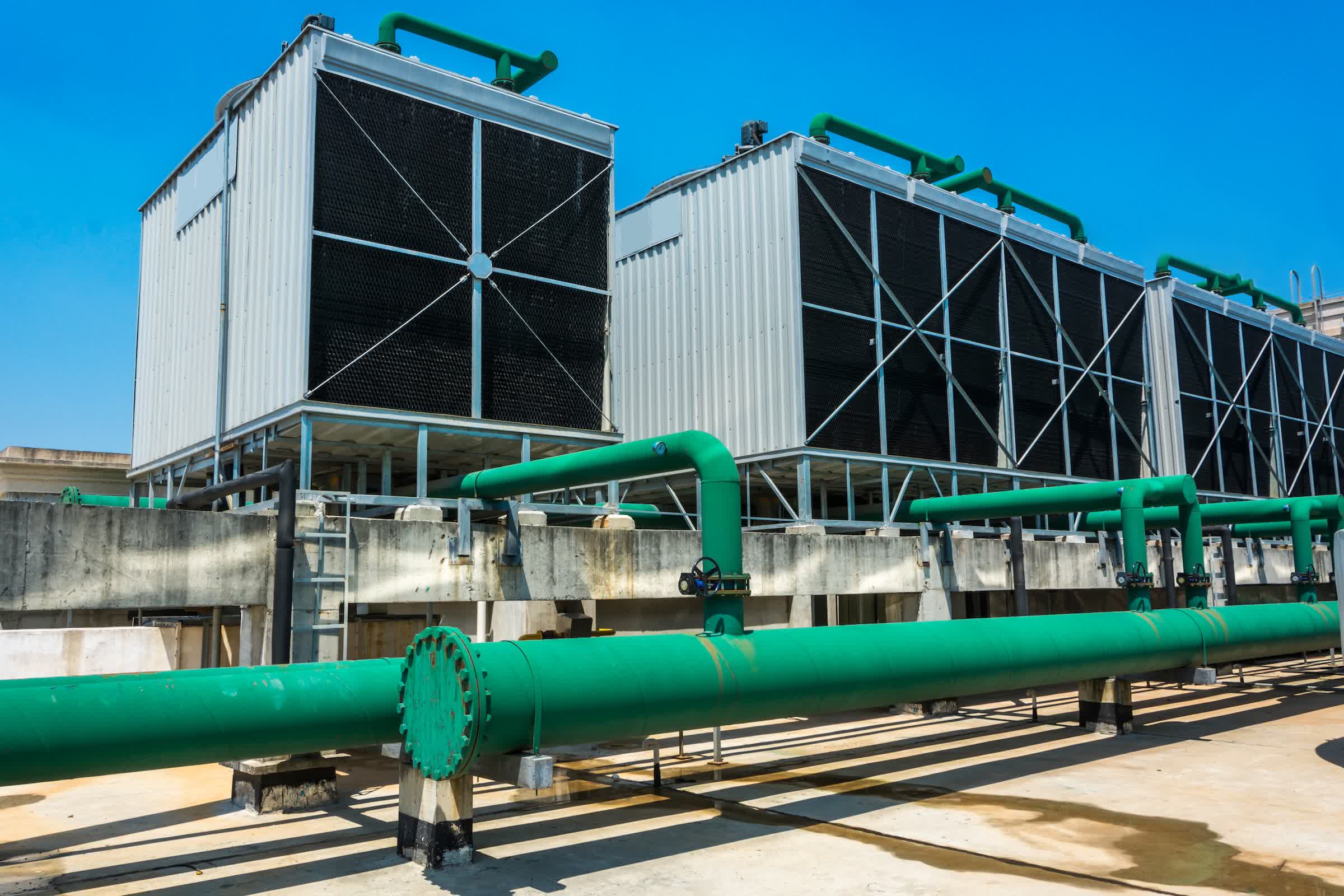
According to data released by research organization Data Center Watch, a total of 45 data center development projects were blocked or delayed in the second quarter of this year, with a total value of US$68 billion. These projects accounted for more than half of the large data center construction plans tracked by the agency during the same period, showing that community opposition has become an important factor affecting the industry's expansion.
Although the number of blocked projects declined compared with the first quarter. Previously, a total of 75 projects encountered disputes in the first quarter, with a total value of approximately US$130 billion. But the latest data shows that opposition still covers a large proportion of new construction projects, rather than being limited to a few isolated cases.
The core issue causing controversy mainly focuses on resource consumption. In order to meet the needs of artificial intelligence training and inference, new generation data centers need to consume a lot of power, water and land. At the same time, many projects also require the construction of new transmission lines, substations or other large energy infrastructure.
In some areas, residents are directly opposing specific projects; in other areas, local governments are beginning to discuss suspending approval of new projects, or enacting stricter new regulations before developers can apply.
Data Center Watch statistics show that there are currently 843 groups opposing the construction of data centers in 49 states in the United States. The only state not included in the list is the state of Hawaii. In addition, 30 state legislatures in the United States have proposed or passed regulations or policy measures related to data center location selection, power consumption, and water use.
Mikel Vera, the lead analyst responsible for the project's research, said that new opposition groups are still emerging, and related opposition activities have spread to more and more states and local jurisdictions. At the same time, the number of participants in online petitions continues to grow.
For the technology industry, this resistance is gradually evolving into a real development bottleneck.
Technology giants such as Amazon, Meta, Microsoft and Alphabet are continuing to expand data centers to support the growing number of artificial intelligence training and inference tasks. These tasks not only require massive computing resources, but also place extremely high requirements on power supply, heat dissipation, and land scale.
To meet demand, developers are seeking greater grid access capacity, self-built power generation facilities, and dedicated energy systems within the park. However, these schemes often create new controversies. Particularly when it comes to natural gas generation or large-scale energy infrastructure construction, community opposition is often more intense.
Water resources issues have also become a key focus of controversy.
Although operators continue to promote water-saving technologies such as closed-loop cooling systems in the hope of reducing data center water consumption, critics believe that in the context of the construction of ultra-large-scale AI parks, even more efficient cooling solutions will still put pressure on the local water supply system.
The growth of online opposition movements is also worthy of attention.
Research institutions pointed out that in the second quarter of this year, an online petition for a proposed data center project in Tennessee alone collected more than 500,000 signatures on the Change.org platform. This number represents more than one-third of all relevant petition signatures on the platform during the same period.
At the same time, the data center controversy has begun to spread from the United States to the world.
Data Center Watch has expanded its tracking this year to Europe, Australia, South Africa and other regions. The study found that local opponents' concerns were highly similar to those in the United States, including the project approval process, increased power demand, water consumption, and potential environmental impacts on communities.
Villa said that, like many emerging industry trends, the United States is usually the first region where related phenomena appear, but the current wave of opposition to data center construction is rapidly globalizing. As data center development continues to expand around the world, related disputes are likely to become more common and prominent in the future.
Industry insiders pointed out that the development of the artificial intelligence industry increasingly relies on large-scale computing infrastructure, and data centers are the core of this system. However, when there is a contradiction between the speed of industry expansion and the carrying capacity of local community resources, public opposition may become a new variable affecting the development of the AI industry.
As global technology companies continue to increase investment in artificial intelligence, how to strike a balance between the growth in computing power demand, energy supply, environmental impact and community interests is gradually becoming an important issue that the entire industry must face.
Comments