
Abstract:
With the rapid expansion of the artificial intelligence industry, the political debate surrounding data center power consumption in the United States is rapidly heating up. The U.S. House of Representatives recently advanced a bipartisan bill called the Electricity Payer Protection Act with an overwhelming vote of 417 in favor and 3 against, aiming to prevent the power infrastructure costs incurred by the construction of artificial intelligence data centers from ultimately being passed on to ordinary residents and small and medium-sized enterprises.
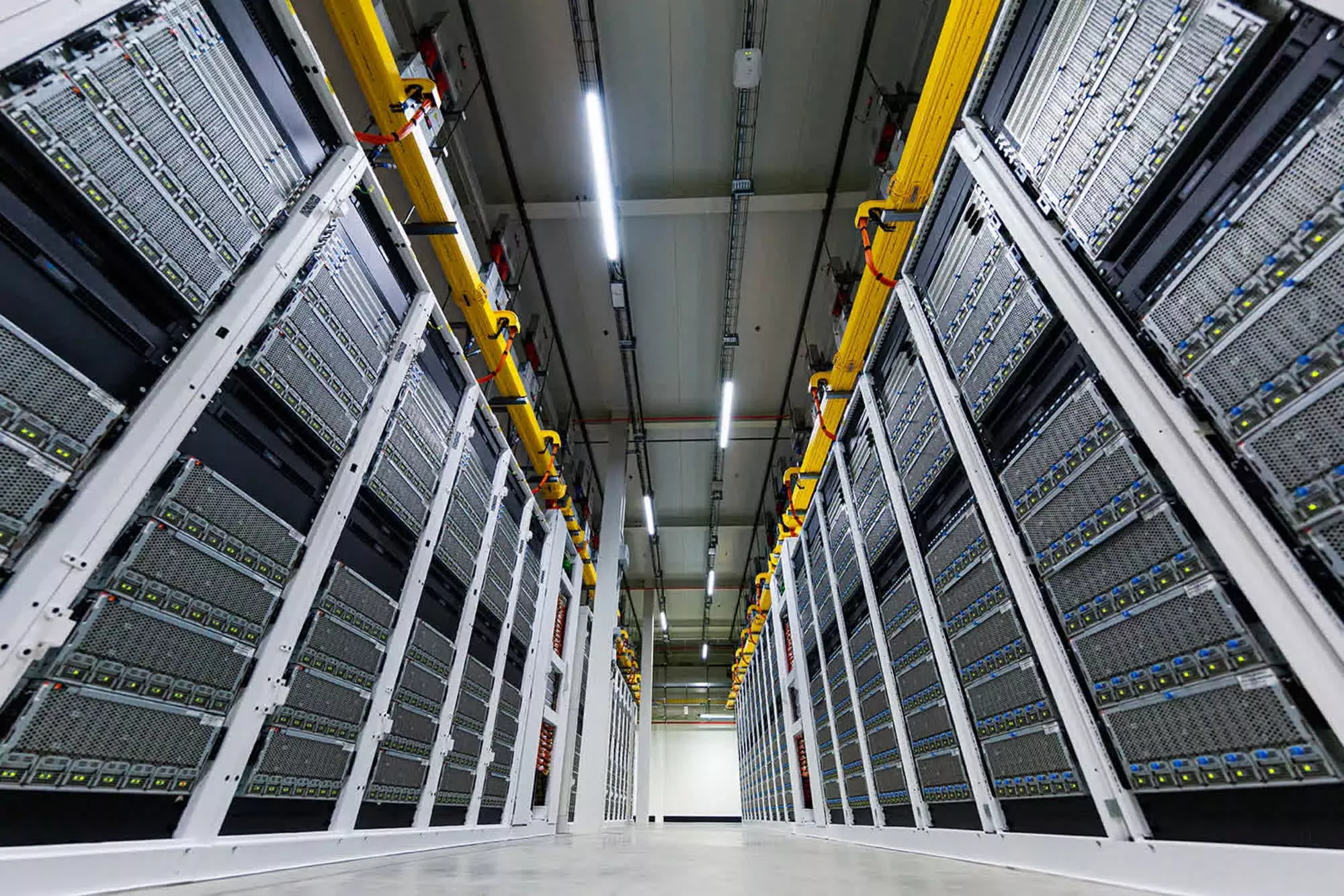
This bill is considered to be the first legislative measure specifically proposed at the federal level in the United States to specifically address the energy cost issue of artificial intelligence data centers. The core concept of the bill is to require large-scale artificial intelligence data centers to bear the cost of new electricity demand brought by themselves, instead of ordinary power users paying for related infrastructure construction.
According to the content of the bill, for large-scale artificial intelligence data centers with power demand of 100 megawatts and above, state regulatory agencies can establish relevant rules based on the bill in the future, requiring developers to bear the costs of new power generation facilities, transmission lines, and power grid upgrades. In other words, when a technology company builds a large data center and promotes the expansion of the local power grid, the corresponding costs should be borne more by the project developer rather than included in ordinary residents' electricity bills.
The sponsor of the bill, Republican Representative Gabe Evans from Colorado, said that the principle is actually very simple: "Those who create new demands should bear the costs of meeting those demands."
In recent years, the explosive growth of the artificial intelligence industry has accelerated the construction of data centers across the United States. Companies such as Microsoft, Google, Amazon, Meta, and xAI have invested heavily in building new data centers, and these facilities often require power supply capabilities that far exceed those of traditional commercial buildings. As a result, some states and local communities have begun to worry that large-scale grid expansion will eventually push up residents' electricity bills.
This issue is gradually evolving into an important public policy debate in the US midterm elections. Both Democratic and Republican congressmen hope to prove to voters before returning to their districts to campaign that they have taken actions to prevent the costs of developing the artificial intelligence industry from being passed on to ordinary families.
House Speaker Mike Johnson chose to push the bill to a vote through a fast-track review process, and the final results also showed that the bill received rare broad cross-party support. In all votes, only three Democrats voted against it.
However, there are still different voices on this bill. Some environmental groups and anti-data center groups believe that although the bill is a step in the right direction, it does not go far enough.
Critics pointed out that the bill mainly focuses on the issue of electricity bills, but does not address other impacts caused by data center development, such as land occupation, water consumption, environmental pressure and community burden. They believe that if we only limit the transfer of power grid costs without restricting the overall expansion of data centers, the relevant disputes will continue in the future.
Some environmental groups even advocate setting up stricter review procedures for new large-scale data center construction projects, and even suspending approvals in some areas to re-evaluate the long-term impact of the rapid development of the artificial intelligence industry on public resources.
Supporters believe that the practical significance of the bill is to establish a clear principle that the rapid growth of the artificial intelligence industry should not come at the expense of ordinary residents bearing additional electricity bills. After years of slow growth in U.S. electricity demand, competition for computing power brought about by artificial intelligence is re-stimulating large-scale power grid investment across the country, and how to fairly distribute these costs has become a problem that must be faced.
At present, the bill has passed the House of Representatives stage for review, but the Senate has not yet started a formal vote. Whether it will eventually become federal law in the future remains to be seen.
As the boom in artificial intelligence data center construction continues to heat up, discussions in the United States on power costs, energy security, grid stability, and data center social responsibilities are expected to continue to escalate. The passage of the bill by a high vote in the House of Representatives also shows that American politicians are gradually realizing the real economic impact of the expansion of artificial intelligence infrastructure and are beginning to try to regulate it through legislation.
Comments