
Abstract:
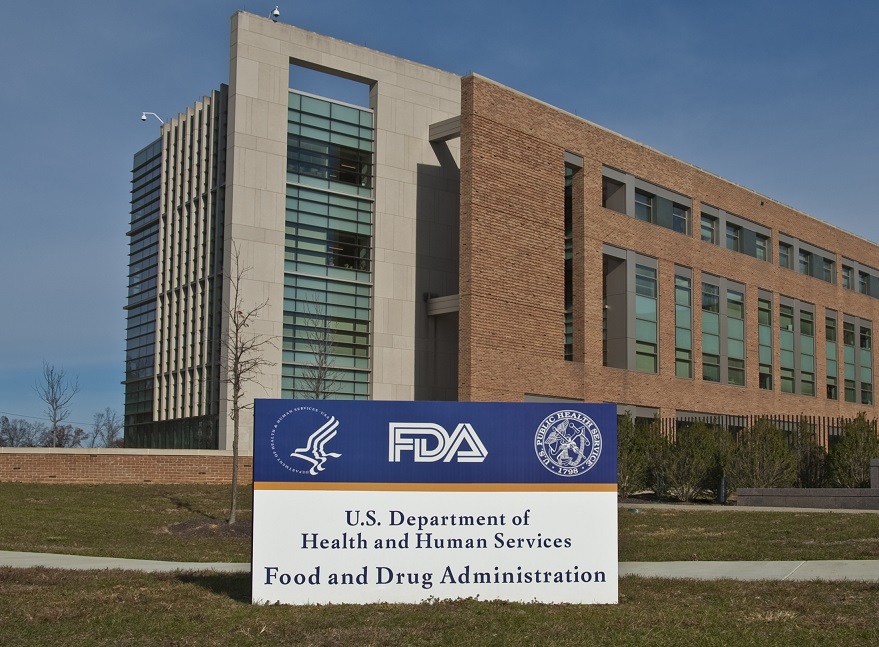
The U.S. Food and Drug Administration (FDA) has refused to approve an anti-cancer drug submitted by a U.S. biotech company but originally developed by a Chinese company. Summit Therapeutics, a Miami-based American biotech company, said on Sunday local time that the U.S. FDA had refused to approve its anti-cancer drug Ivonescimab. The drug was originally developed by Kangfang Biologics in Zhongshan, China. On Monday, Kangfang Biologics' Hong Kong-listed shares fell 24%.
In 2022, Kangfang Biologics will license the drug to Summit Therapeutics, with a total transaction value of up to US$5 billion.
In September this year, AstraZeneca invested US$2 billion in Summit and reached a cooperation agreement with it, thereby acquiring 11% of Summit's equity.
Summit said on Sunday that the FDA determined that the drug "has not established sufficient evidence of effectiveness" and concluded that it did not show a significant gain in improving patient survival. "We are deeply disappointed for the patients and their families who are waiting for more treatment options," Summit co-CEO Robert Duggan said in a statement.
This submission to the FDA for approval is one of the first applications for ivocilimab for various cancer treatments. Analysts have previously said the rejection was not surprising and should not affect the company's other drug submissions to the FDA.
In the clinical trial data submitted to the FDA, 62% of the subjects were Asian and 38% were Western. Investment bank TD Cowen said in a research report on Sunday: "We can't help but wonder whether this patient composition affected the FDA's decision-making."
Kangfang Biotechnology is regarded as a leading company in China's booming biotechnology industry. In June this year, the company won an important report presentation seat at the American Society of Clinical Oncology (ASCO) annual meeting.
Comments