
Abstract:
The U.S. Environmental Protection Agency recently announced the revocation of some greenhouse gas emission limits designated for coal-fired and gas-fired power plants during the Biden administration and proposed plans to repeal remaining climate emissions standards for the power industry. On the surface, this is an adjustment to U.S. energy and environmental protection policies, but judging from changes in U.S. power demand and recent actions of the Trump administration, the reason for the adjustment is likely to be related to the rapid expansion of AI data centers.
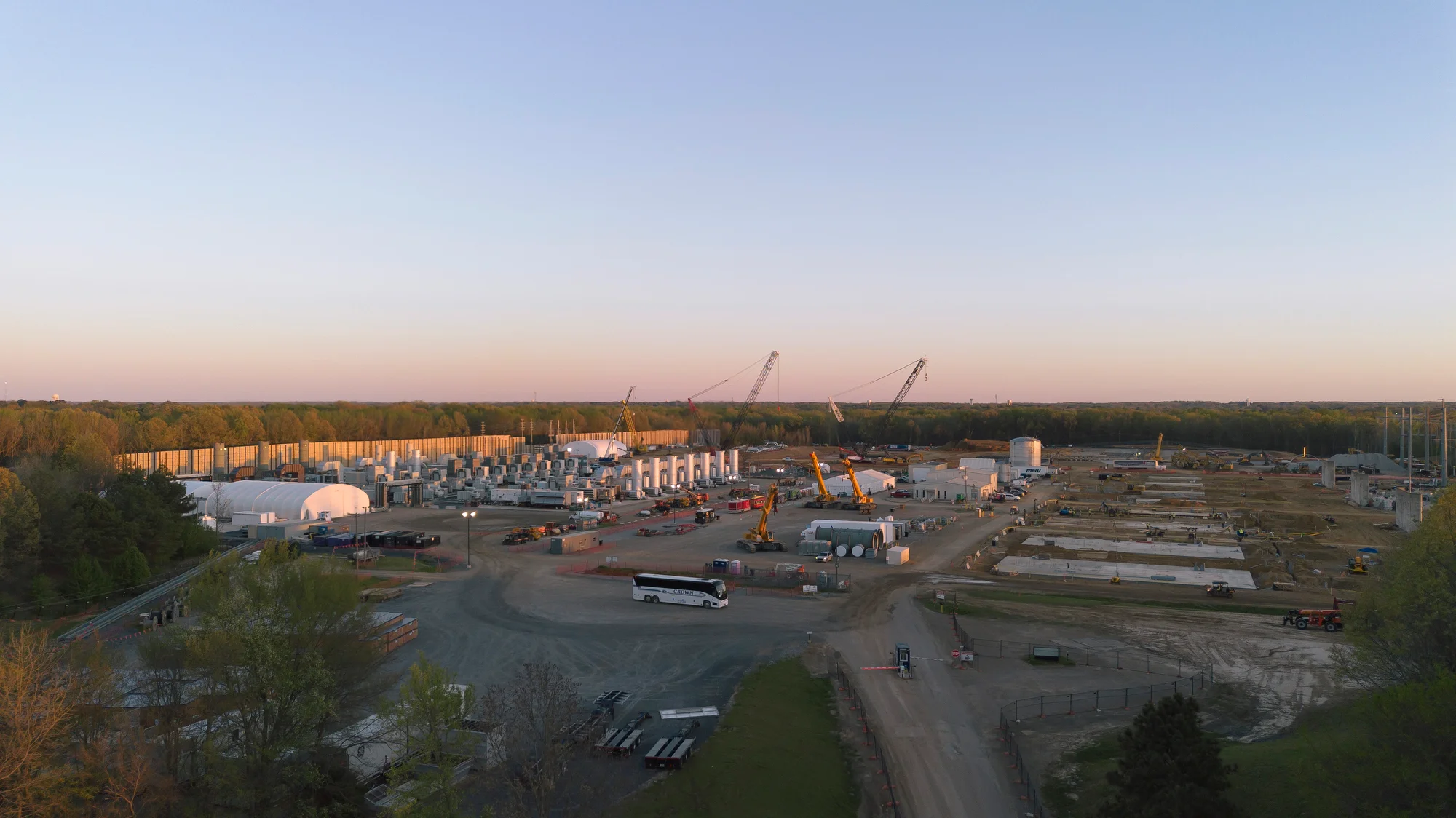
The lifting of emission restrictions will ease the constraints on new power supply:
The U.S. Environmental Protection Agency said 2024 carbon emissions standards would require some power plants to adopt control technology that has not yet been fully proven, which may force power plants to retire some coal-fired units early. The agency estimates that rolling back the rules will save the energy industry $310 billion and help improve grid reliability and energy supply capabilities.
The U.S. Environmental Protection Agency also proposed that it will continue to revoke the regulatory basis for greenhouse gas emissions from power plants under the Clean Air Act in the future, which will reduce policy obstacles faced by new gas-fired power stations and large power generation facilities. This could lead to the United States building more power stations that use non-renewable energy as their primary fuel and emitting more greenhouse gases.
Environmental groups believe so-called cost reductions may actually mean keeping high-emissions coal and gas power stations in operation longer, rather than retiring them sooner. That is, it will continue to emit more pollutants, which is contrary to the global carbon neutrality goal.
Artificial intelligence data centers are driving up electricity demand:
In recent years, large-scale artificial intelligence data centers have increased rapidly in the United States, and training and running models require continuous consumption of large amounts of electricity. After the superposition of data centers, advanced manufacturing and electrification trends, some areas in the United States have already experienced insufficient power grid expansion, transmission construction and new power generation capacity.
Large technology companies in the United States are preparing to build more artificial intelligence data centers, but the construction of these data centers is blocked due to power supply problems. Without sufficient power supply, continuing to build new data centers will cause continuous losses. Failure to build more AI data centers will not be able to meet usage needs and will also weaken the competitiveness of related companies.
The U.S. coal and electricity industry organization clearly pointed out that relaxing emission restrictions can help the power grid cope with the growth in power demand caused by data centers, artificial intelligence and advanced manufacturing. The Trump administration has previously issued a policy requiring the environmental protection department to simplify the approval process for data centers and supporting power generation facilities, with the goal of building the United States into a global AI center.
Comments