
Abstract:
Large-scale protests against Microsoft's data center project recently broke out in Leeds, England. Hundreds of demonstrators gathered in Millennium Square in the city center to oppose Microsoft's plans to build three large data centers in Skelton Grange. Protesters worry that these facilities will have long-term impacts on the local environment, water resources and community life in the future.
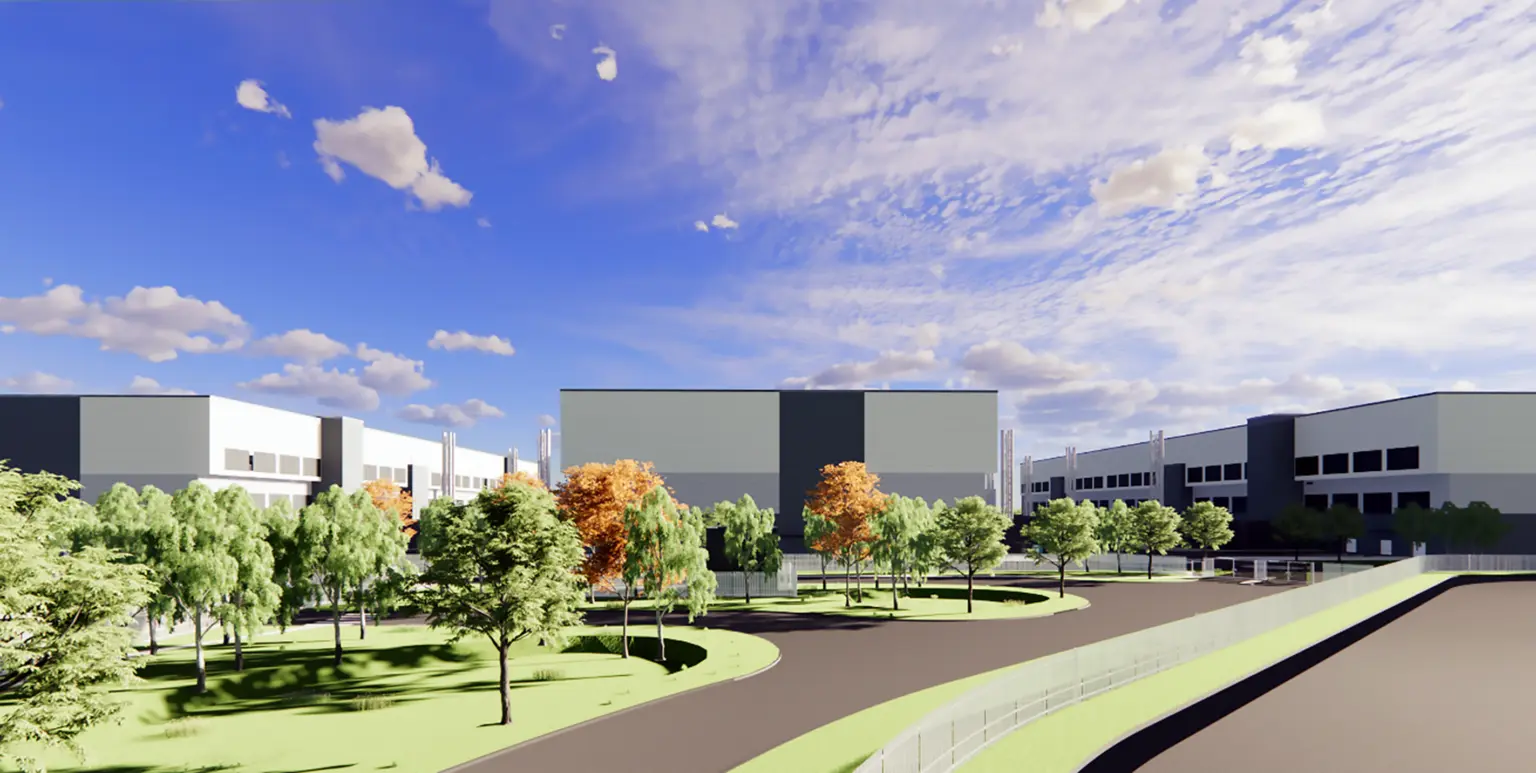
The event was launched by the "No Leeds Datacentre" campaign. The organization has been opposing Microsoft's construction of a large artificial intelligence data center campus there. According to existing plans, Microsoft will build three three-storey data center buildings in Skelton Grange to provide infrastructure support for its artificial intelligence and cloud computing businesses. If subsequent approval processes are completed, construction is expected to begin next year.
Opponents believe that data center projects will consume a lot of land, water and energy, and may cause noise pollution and other environmental problems. Bronwyn Pope-Wilby, an activist who participated in the protest, said that in the context of the global challenges of climate change and extreme heat events, it is unreasonable to invest precious resources in large-scale data center projects. She believes such facilities would take up a lot of land and water, and their necessity deserves further discussion.

In response to relevant questions, Microsoft issued a public response. The proposed data center will operate on an air-cooling system the vast majority of the time, significantly reducing water requirements, the company said. Microsoft also emphasized that the company has committed to matching all energy consumption with renewable energy supply in the UK and is moving towards the goal of achieving "carbon negative emissions, net increase in water resources and zero waste" by 2030.
In fact, this is not the first time Microsoft's Leeds project has encountered resistance. As early as a few weeks ago, a petition launched by local opposition groups had attracted about 40,000 signatures, hoping to prevent the project from being finally approved. Opponents argue that the public has not been given sufficient opportunity to learn about and discuss the massive construction plan, and that local governments have not adequately scrutinized the project's potential impacts.

The controversy also gained support from some politicians. British Labor MP Richard Burgun has publicly participated in the protests and has submitted a cross-party motion to the British Parliament calling on the government to suspend approval of new artificial intelligence data center projects. He said that as large-scale AI data centers rapidly expand across the UK, their energy and resource consumption issues are becoming increasingly prominent. Bergon believes that such facilities may have a "devastating impact" on the UK's achievement of climate goals, and the government should suspend relevant construction plans and make a decision after a comprehensive assessment of the pros and cons.
Microsoft insists that data centers have become an indispensable infrastructure for the modern digital economy. According to the company's planning documents, the future development of artificial intelligence services, cloud computing platforms and a large number of digital businesses will rely on the construction of new data centers, and the UK needs more related facilities to support future economic growth.

With the rapid popularization of artificial intelligence applications, global technology companies are continuing to expand the scale of data center investment. However, energy consumption, water demand and carbon emissions are also becoming the focus of more and more communities and environmental organizations. The protest in Leeds is considered the latest case of the escalating contradiction between artificial intelligence infrastructure construction and environmental protection.
At present, the Microsoft project has received conditional planning permission, but it still needs to complete the subsequent approval process. As opposition continues to grow, the future development of this investment plan will continue to receive widespread attention.
Comments