
Abstract:
An AMD Ryzen 9 9950X3D processor failed within about an hour after being moved to an ASUS ROG Crosshair X670E Hero motherboard; the processor had previously been running stably on the ASRock X670E Taichi Carrara motherboard for about a year and a half.
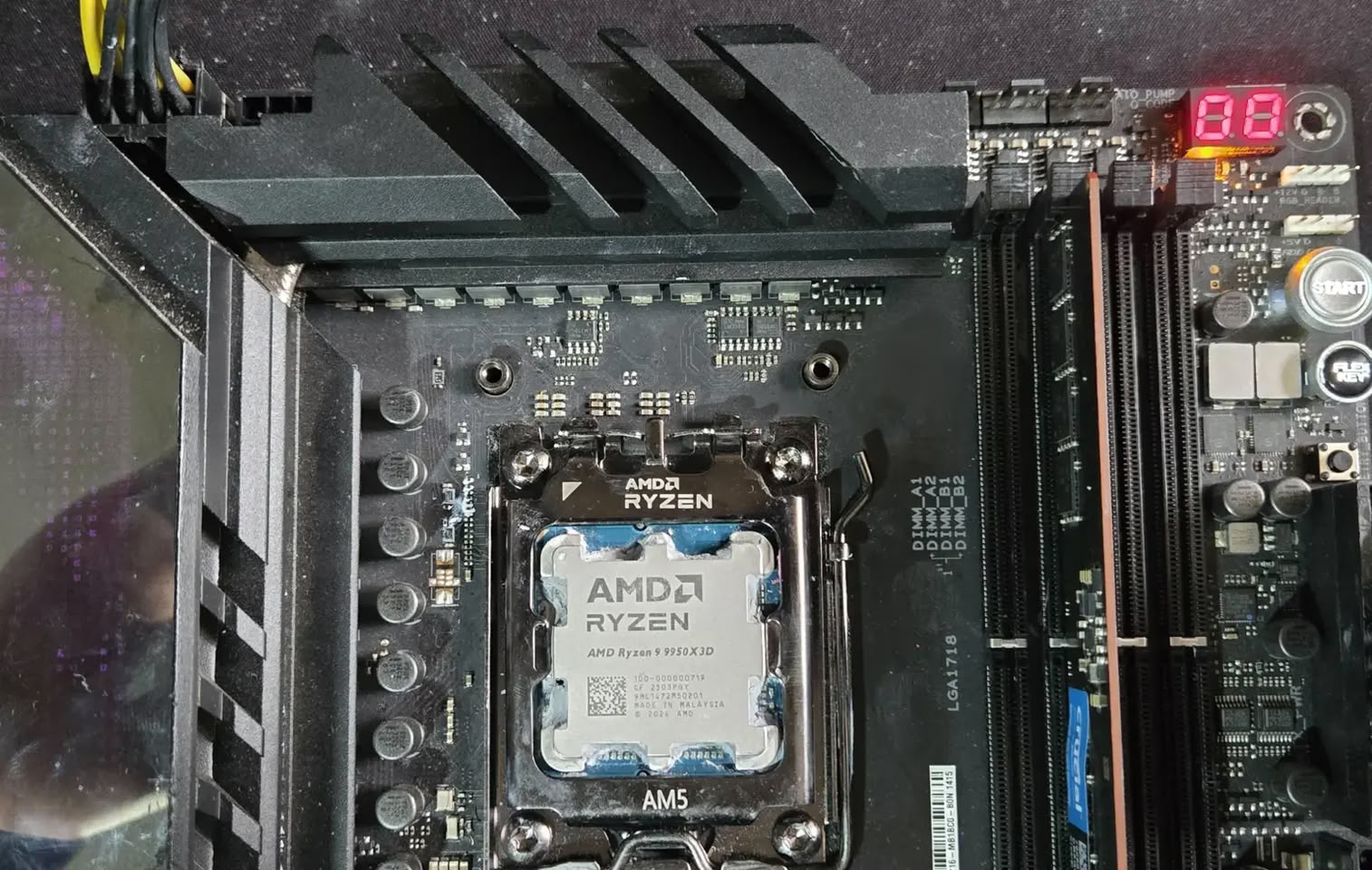
Reddit user SpecialistConcept423 posted on r/GamersNexus that there was no manual overclocking or voltage adjustment after replacing the motherboard this time, and only a memory preset built into the motherboard was enabled for a set of SK Hynix 6200 MHz memory modules.
After saving the settings and restarting, the motherboard reported a "00" Q-Code, and then failed to pass the self-test; when removing the CPU for inspection, the user found two brown marks on the processor contacts, and the situation looked quite serious.
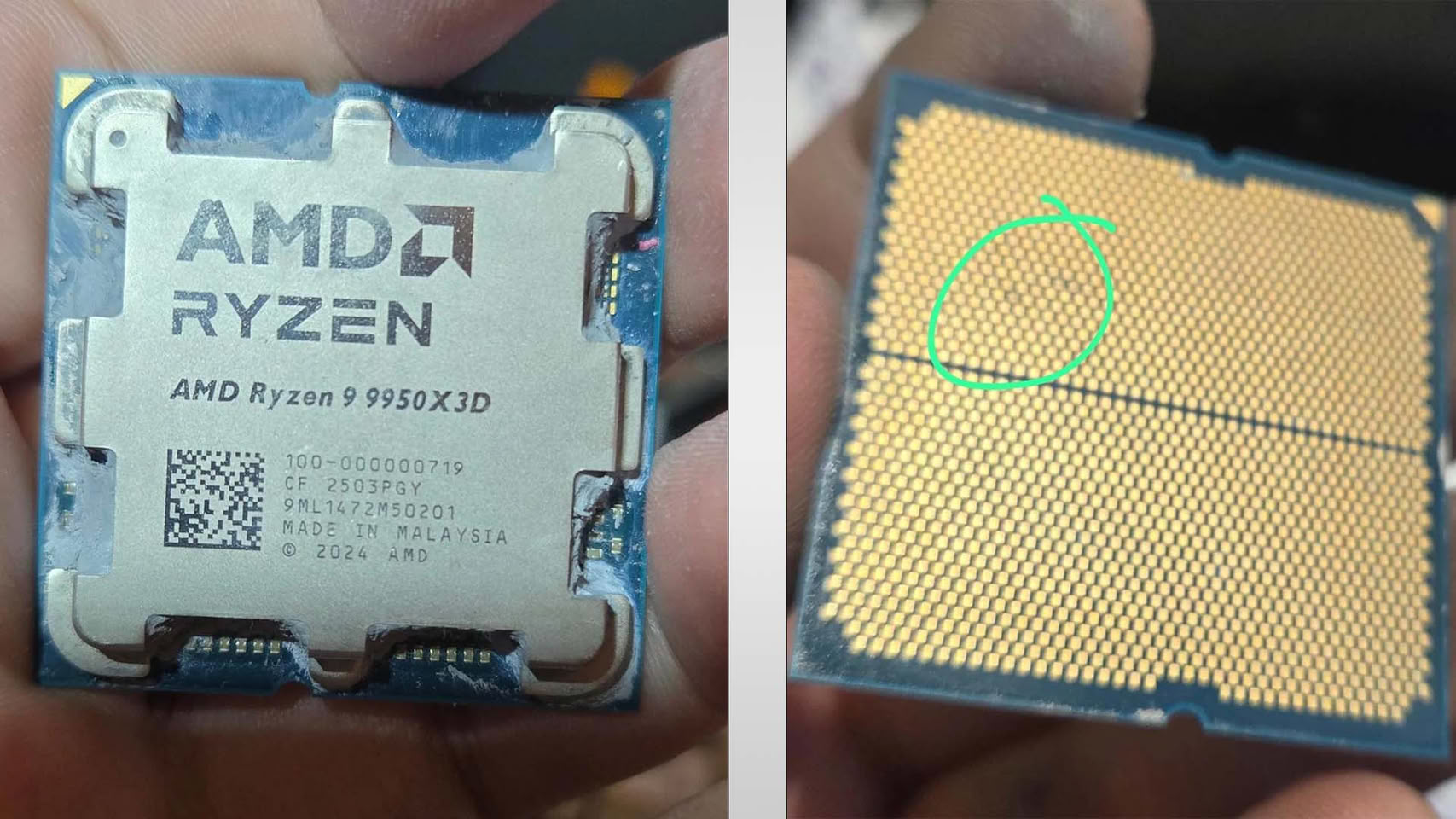
Things then became more complicated: the user switched to an old Ryzen 5 8500G that had been working normally on the same motherboard. As a result, the processor also began to report "4D" codes, which made it seem that the problem was not only with the CPU itself, but also possibly with the motherboard.
The report pointed out that there is currently no conclusion as to whether it was a BIOS problem, a motherboard batch defect, or other reasons that caused the failure; ASUS has not yet responded to this specific case.
It is worth noting that this ASUS motherboard is not a brand new machine. It has previously undergone USB-related repairs and BIOS rewrites. The user involved has since contacted AMD Brazil to apply for an RMA, but there has been no further update for the time being.
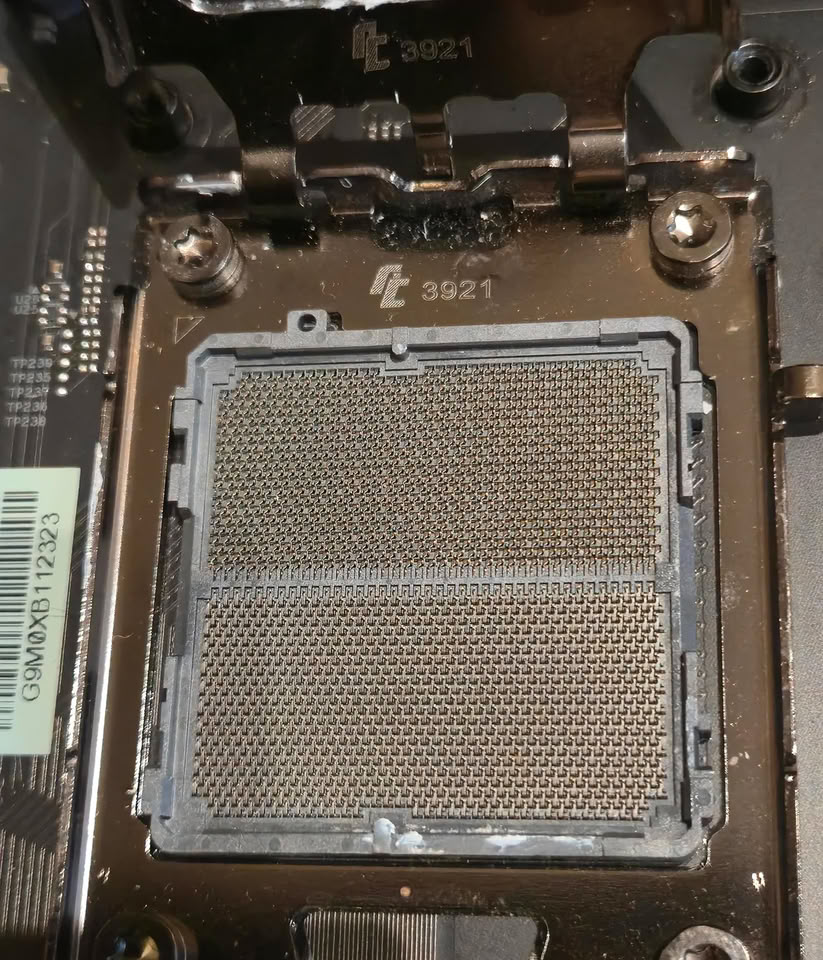
This is not the first time this model of motherboard has been linked to CPU failure. Just a few days ago, they also reported a case of a Ryzen 7 7800X3D "bulging and burning" on the same ROG Crosshair X670E Hero, and last year ASRock also admitted that the overly aggressive PBO current limit in its motherboard BIOS burned a batch of Ryzen 9000 processors.
There is still no unified conclusion for this type of incident, but judging from the situation presented in the report, the problem seems to be more like a hardware failure caused by a combination of platform compatibility, motherboard power supply strategy or preset parameters, rather than a single, clear operational error.
Comments