
Abstract:
Recently, an overseas user disclosed in a post that he purchased an AMD Ryzen 7 9800X3D processor at a local Walmart store for nearly US$500 (currently about 3,348 yuan). After unpacking and installing, the system could not start. It was finally confirmed that what he purchased was a counterfeit CPU.
The user said that he had a 9800X3D before. Due to problems with the integrated memory controller of the original processor, he decided to buy another one to replace it. In front of him, a Walmart employee took out the sealed retail box from the display cabinet. It looked completely normal.
I didn’t expect that the system wouldn’t light up after I installed a new CPU at home. After replacing it with the old CPU, everything returned to normal, which eliminated the failure of the motherboard and other hardware.
When I returned to Walmart to return the product, the store clerk discovered that the serial number printed on the processor was inconsistent with the serial number on the box, so the refund was refused.
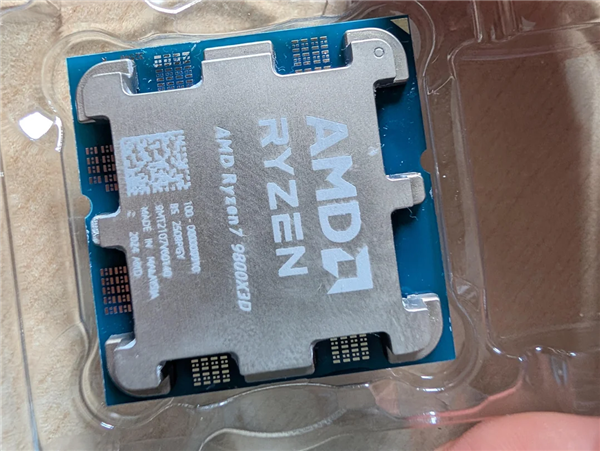
Fake 9800X3D
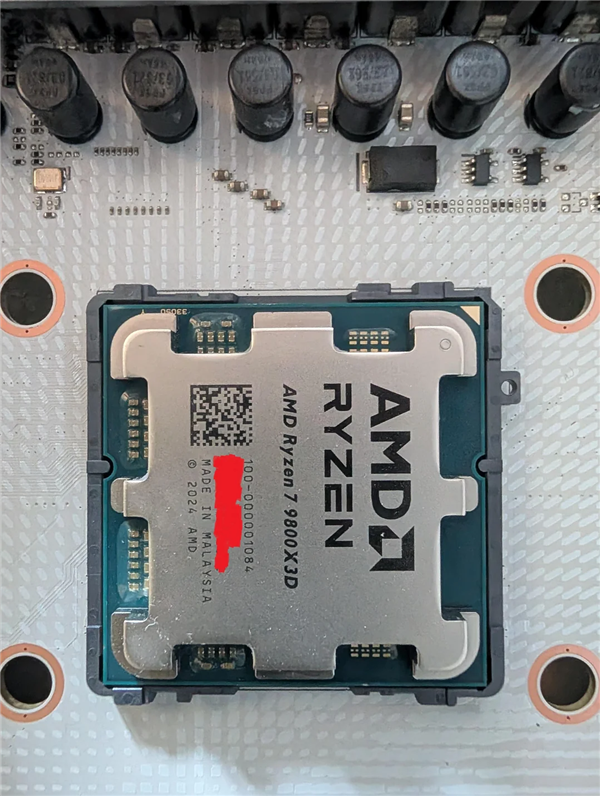
After comparing this CPU with other 9800X3Ds in the display cabinet, the differences are even more obvious. The PCB color of the imitation is bluish, and the position and layout of the text on the heat sink cover are also different from the original. The user entered the serial number into AMD's official query page, and the result showed that the card was not found.
What’s even more troublesome is that scammers can even imitate the tamper-evident seal. The post mentioned that counterfeiters have found ways to reseal the retail box. Just because the box has not been opened does not guarantee that the CPU inside is authentic.
The most reliable way to verify is to compare the OPN code and serial number, and observe the appearance of the CPU through the transparent window of the AM5 box before unpacking.
As for how the fake CPU got into Walmart shelves, it is still unclear.
The comment section speculates that someone bought the genuine product and returned the counterfeit CPU, stuffed the counterfeit CPU back into the original packaging, resealed it, and then returned it. The store treated it as unopened inventory and put it back on the shelves.
Walmart should have checked whether the returned goods were original and authentic, but the counterfeiters’ sealing methods made it difficult to identify with the naked eye.The user has filed a chargeback complaint with the credit card company and posted a message to remind other buyers.
Comments