
Abstract:
Volvo Cars announced the expansion of its long-term cooperation with NVIDIA to integrate NVIDIA's Hyperion sensor and computing architecture, Halos OS safety system, and Alpamayo autonomous driving software stack into future models. According to both parties, the goal of the new platform is to help cars cope with complex scenarios ranging from highways, busy urban roads to parking lots, and gradually introduce "eyes-off" and "hands-off" driving functions.
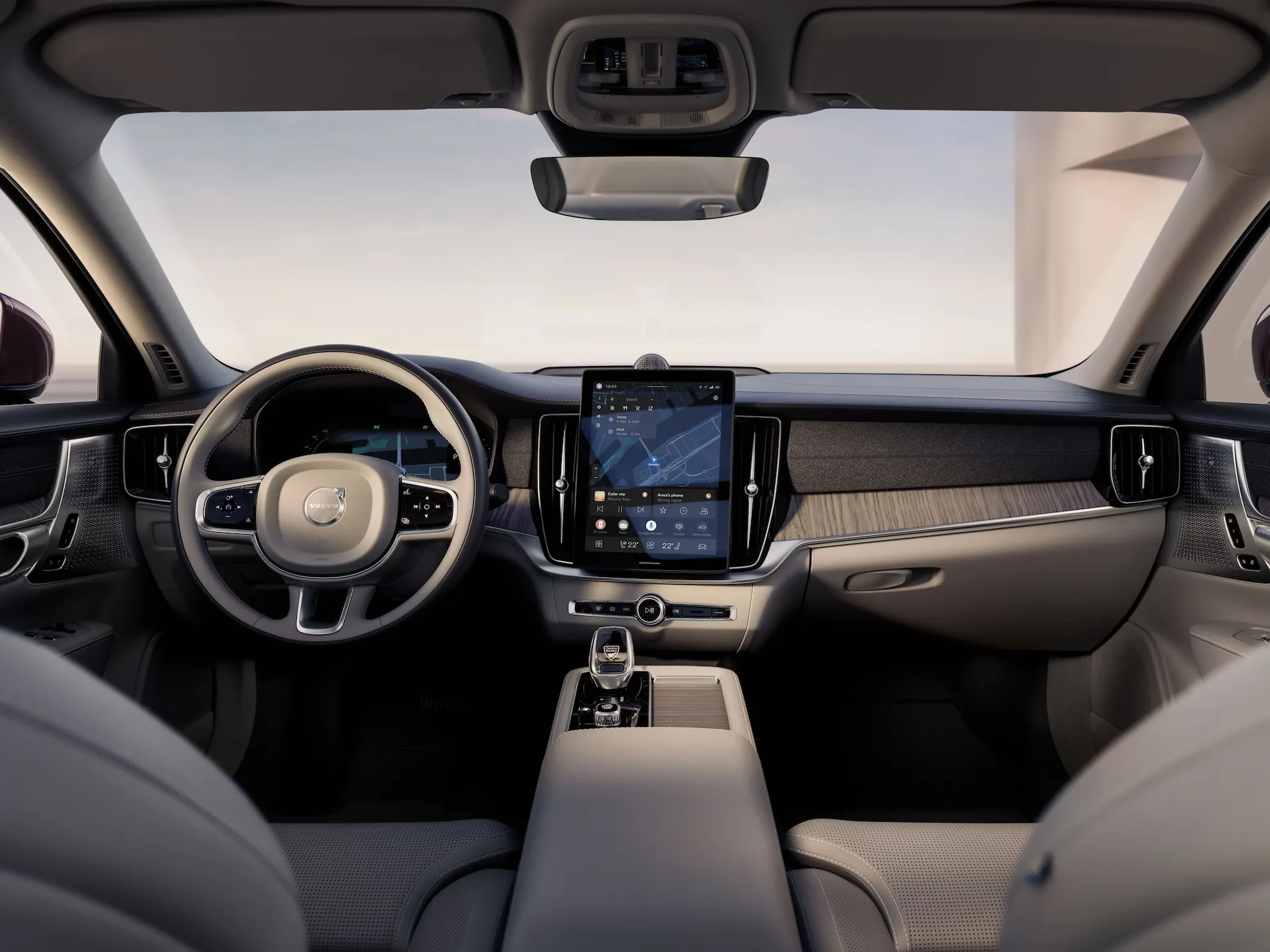
The new technology will first be used in a next-generation Volvo model as one of the company's largest product initiatives to date. Volvo has not announced the name of the first model, specific launch date or cooperation amount. The company's head of software development told TechCrunch that the first model will be unveiled within this decade; Volvo also plans to make this technical architecture not only serve pure electric vehicles, but may also cover plug-in hybrid and fuel models in the future.
The cooperative portfolio consists of three parts. Hyperion provides sensors and in-vehicle computing reference architecture; Halos OS is responsible for in-vehicle software security protection and verification; Alpamayo is a series of AI models, data sets and simulation tools for autonomous driving development. Nvidia said that Alpamayo can handle rare and complex road conditions and provide a model reasoning process. However, it is not directly downloaded and installed into a complete driving system for mass production vehicles. Instead, it is provided for developers to fine-tune, distill and integrate into the entire autonomous driving system. The head of NVIDIA's automotive business said that Alpamayo-related open source software has attracted more than 650,000 developers to download it.
Volvo’s software person in charge also said that the system will adopt a redundant and diversified technical architecture, allowing AI-based driving models to run simultaneously with traditional software, and combine multi-modal sensors such as cameras and radars to improve safety. Nvidia describes Halos as a security system covering in-vehicle hardware, operating systems, algorithms and verification processes; however, the two parties have not yet stated what level of autonomous driving Volvo's new car will achieve, nor have they announced the number of sensors, on-board computing chip models or specific function opening conditions. Therefore, "taking off eyes and hands" is currently a goal of gradual introduction, rather than an established starting capability.
The cooperation between the two parties began in 2017. Volvo's existing pure electric models already use Nvidia's Orin on-board computing chip; this cooperation will further expand the scope from chips and computing platforms to sensor architecture, driving software and safety verification, reflecting the trend of automakers shifting from purchasing individual components to building a complete vehicle software and hardware platform.
Comments