appleThe company will report earnings this week. The company will then face double grilling from investors about tariffs and progress in artificial intelligence.The technology giant, with a market capitalization of more than $3 trillion, is in a delicate position: it must deal with the supply chain impact of the Sino-US trade war, and it also needs to explain that its AI strategy lags behind that of Samsung andGoogleand the current status of competitors.
Eric Schiffer, chairman of Patriarch Organization, a California-based private equity firm that holds shares in Apple, commented: "Tariffs are like the sword of Damocles hanging over Apple's head - they can fall at any time, are hugely destructive and full of political risks."
Although the affordable iPhone 16e sparked a rush to buy before Trump's tariffs were announced, Wall Street generally predicts iPhone sales will decline for the second consecutive quarter.
In terms of supply chain reconstruction, Apple plans to avoid the impact of tariffs through "Made in India".
According to people familiar with the matter, Apple aims to switch production of all iPhones exported to the United States to India by the end of 2026. However, this transformation faces multiple challenges: India's current production capacity only accounts for 7% of Apple's global production, and the local factory yield problem has not yet been fully resolved.
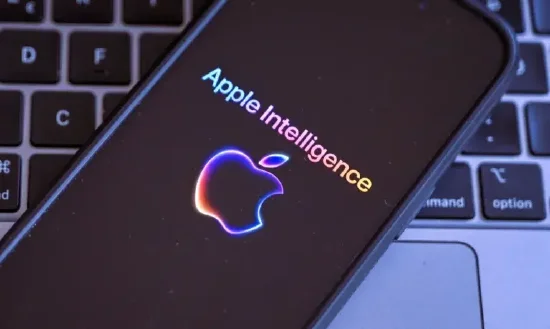
In the more critical AI track, Apple's slowness has caused investor anxiety.
The Siri voice assistant, which was originally scheduled to be updated this year, has been postponed to 2025, and the previously promoted AI function advertisements were also forced to be removed from the shelves because they were "not worthy of the name." The AI breakthrough in the Chinese market has also been hindered - in the face of the offensive of local manufacturers such as Huawei, Apple has reached a cooperation with Alibaba Cloud to develop localized AI services, but the specific launch time is still unclear.
Morgan Stanley's latest consumer survey shows a subtle contrast: Although investors' evaluation of the Apple Intelligence platform has fallen to the bottom, 80% of eligible iPhone users in the United States have downloaded and used the platform in the past six months, with a Net Promoter Score (NPS) of 53 higher than the industry average. Users generally rated it as "easy to operate, innovative and can improve the experience."
"While public criticism is justified, actual user data paints a more positive picture," the report states.