A research team from the Weizmann Institute of Science in Israel has discovered that each person's breathing pattern may be as unique as a fingerprint, which can not only be used for identification, but also reflect body mass index (BMI) and mental health status. The research was published in the journal Current Biology.
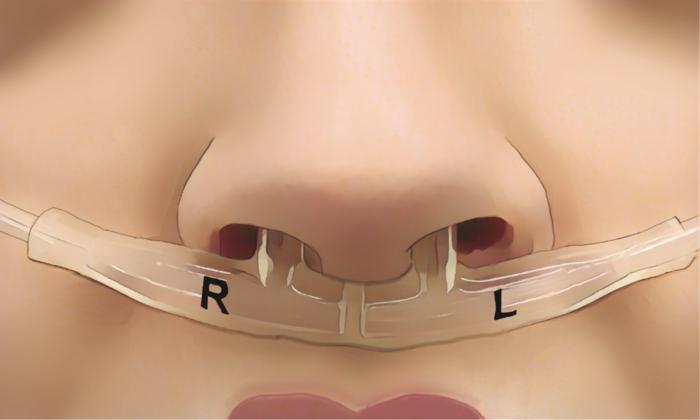
The researchers developed a wearable device worn on the neck to monitor the respiratory airflow of 97 healthy participants for 24 hours through nasal tubes, recording 24 parameters such as the length of inhalation and exhalation and the difference in nostril airflow. After analyzing the data using machine learning algorithms, the team found that breathing patterns are highly individual-specific. In subsequent tests, the algorithm's accuracy in identifying participants was as high as 96.8%, and the data during the waking period was more accurate than the sleeping period.
Further analysis showed that people with a higher BMI have different breathing characteristics during sleep than those with a lower BMI, and that people with anxiety or depression tendencies also have different breathing patterns. The respiratory data reflected these associations even though most participants scored lower on mental health questionnaires.
Experts pointed out that this research breaks through the short-term limitations of traditional respiratory monitoring and provides a new direction for respiratory diagnosis and therapy design. For example, the U.S. military already uses breathing exercises to help soldiers manage stress. Currently, the research team is exploring breathing patterns associated with low stress, which may improve mental health by adjusting breathing patterns in the future.
This achievement shows that breathing is not only a vital sign, but may also become a "window" revealing physical and mental health, with broad potential for medical and safety applications.