The next generation of PC memory is already in the pipeline. With DDR6 expected to arrive in 2027, major chipmakers are laying the foundation for faster, more efficient systems that will once again raise the bar in everything from gaming devices to AI workloads.
The DDR6 standard was drafted in late 2024 and is expected to be commercially available in 2027. Samsung, Micron and SK Hynix are progressing well with their prototyping efforts and are now turning their focus to controller development, Taiwanese industry publication Business Times reported. The companies are also reportedly working with Intel and AMD on interface testing, with platform validation expected to begin next year.
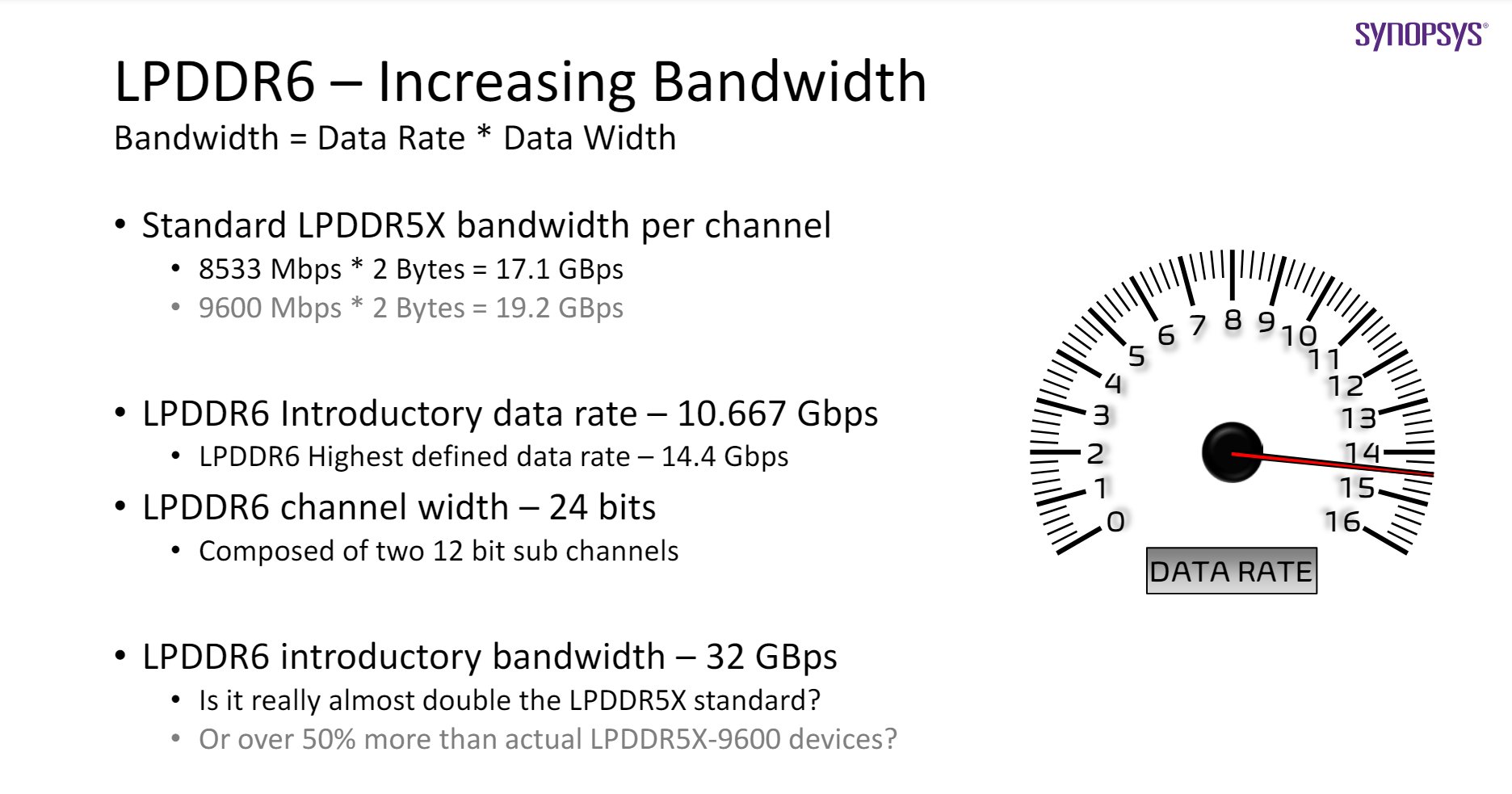
Both major x86 chipmakers plan to support DDR6 in their next-generation CPUs, paving the way for its widespread use in AI servers, high-performance computing (HPC) systems and high-end laptops. According to industry insiders, DDR6 will bring significant architectural upgrades over DDR5, with default speeds starting from 8800 MT/s and going up to 17600 MT/s, which is twice the current official limit of DDR5. Some reports suggest that overclocked modules could eventually reach speeds of 21,000 MT/s.
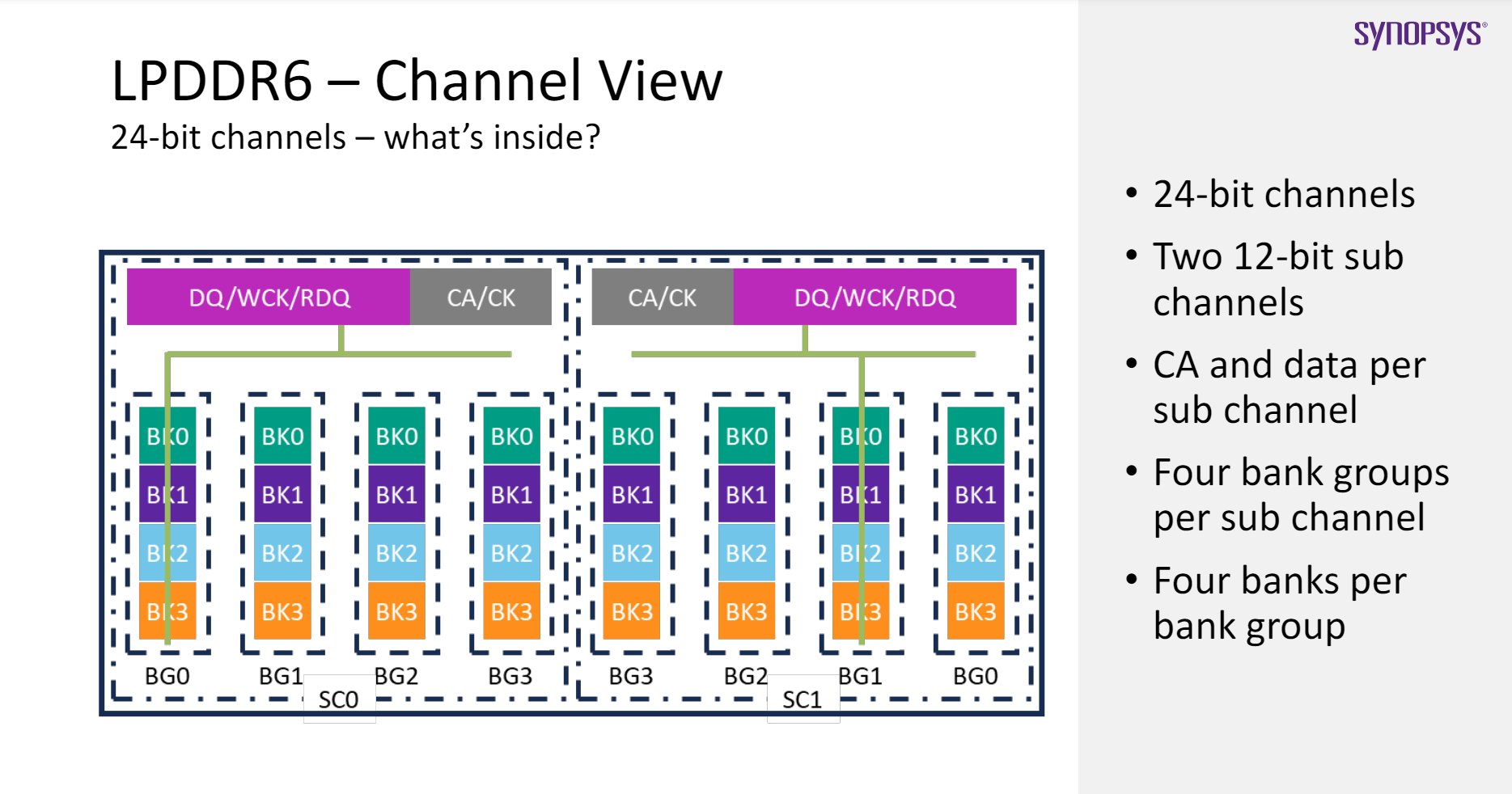
Another key upgrade to DDR6 is its multi-channel architecture, with four 24-bit sub-channels. This design improves parallel processing, data flow, and bandwidth efficiency compared to DDR5's dual 32-bit layout. However, this also places higher requirements on module I/O design and signal integrity.
Memory manufacturers are positioning CAMM2 as a key specification for DDR6, especially in laptops and other compact devices. The new module design promises better performance, higher capacity and higher efficiency compared to traditional DIMMs and SO-DIMMs. ASUS and G.SKILL recently demonstrated a 64GB CAMM2 module running at DDR5-10000 speeds, highlighting the potential of the format.
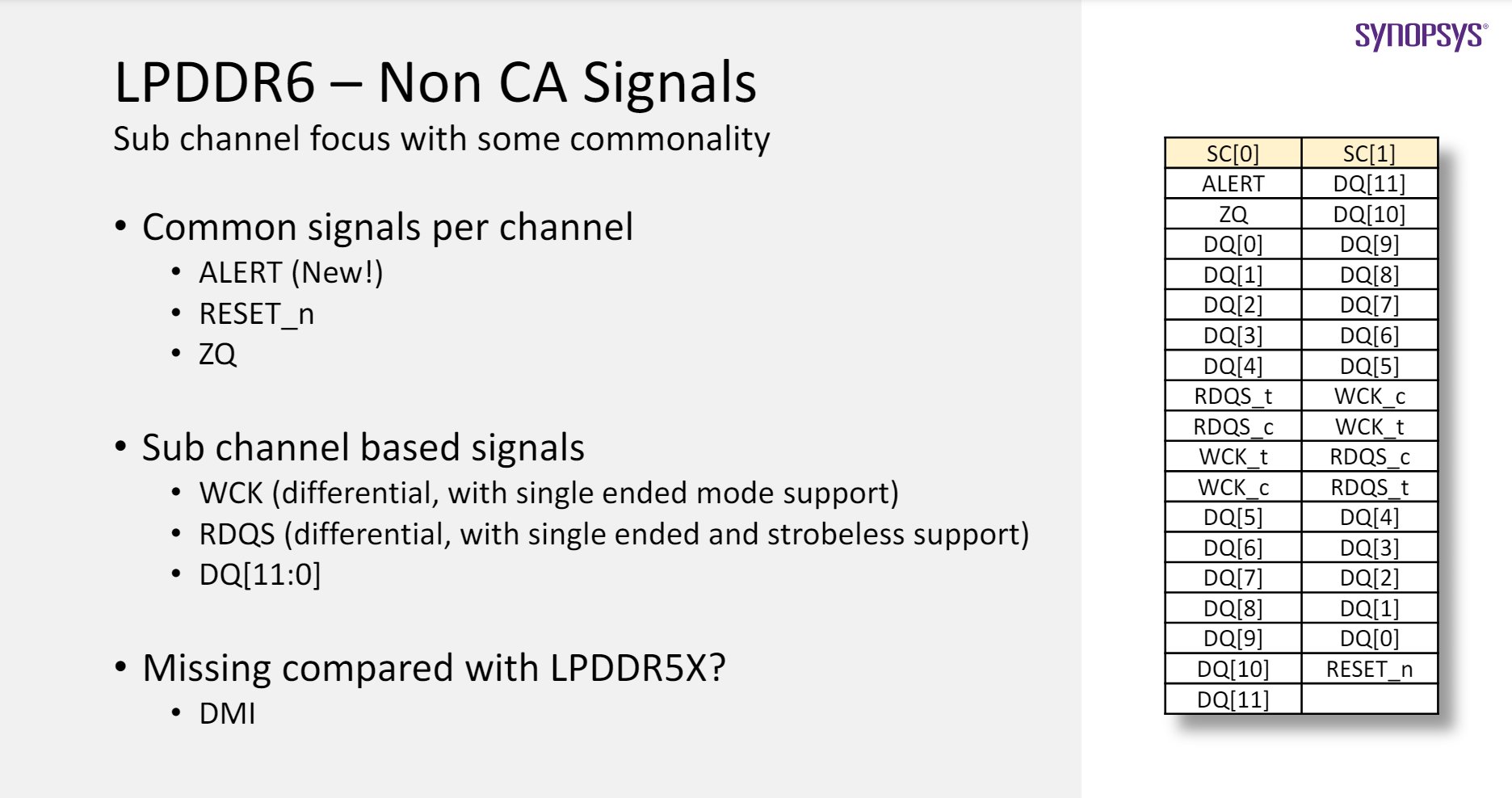
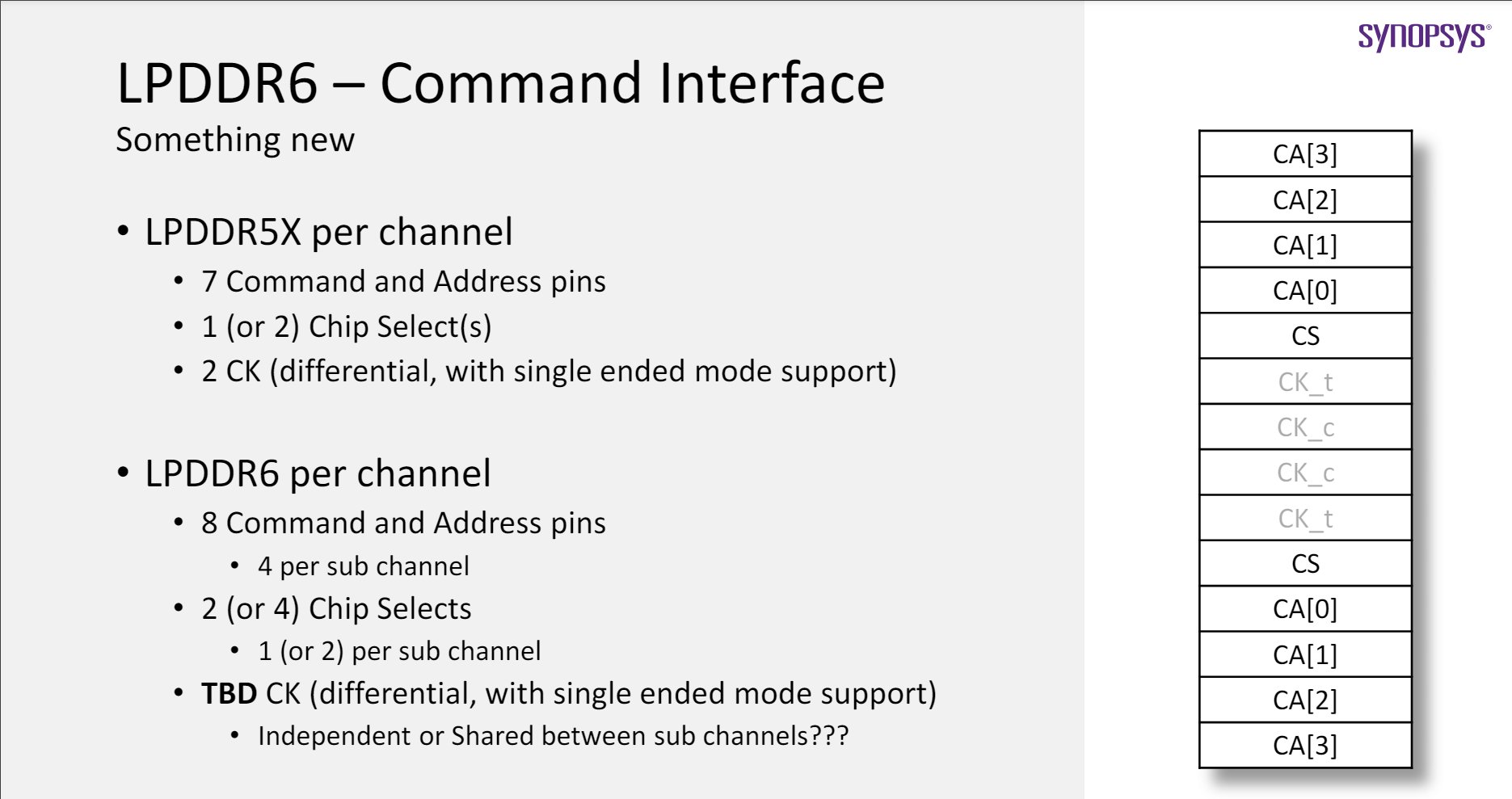
Following the release of the DDR6 draft, the Joint Electron Engineering Committee (JEC) released the final draft of LPDDR6 earlier this month, allowing semiconductor companies, memory manufacturers and chip designers to begin testing and verification under a unified framework. According to Korean media The Guru, Qualcomm, MediaTek and Synopsys have begun developing LPDDR6 support for their hardware, while Samsung and SK Hynix, which have been working on the standard for years, plan to start mass production of LPDDR6 modules by the end of the year.