Founded in 2000, the PCI-SIG Alliance oversees the development of connectivity standards such as PCI, PCI-X, and PCI Express. Its board of directors includes representatives from major industry players including Intel, AMD, NVIDIA, IBM, Qualcomm and Arm.The PCIe 7.0 specification is finalizedJust a few months later, the Peripheral Component Interconnect Special Interest Group (PCI-SIG) was already laying the groundwork for PCIe 8.0.
A newly formed technical working group has begun developing the next-generation standard, which aims to further improve bandwidth capabilities while introducing a range of new advanced features.
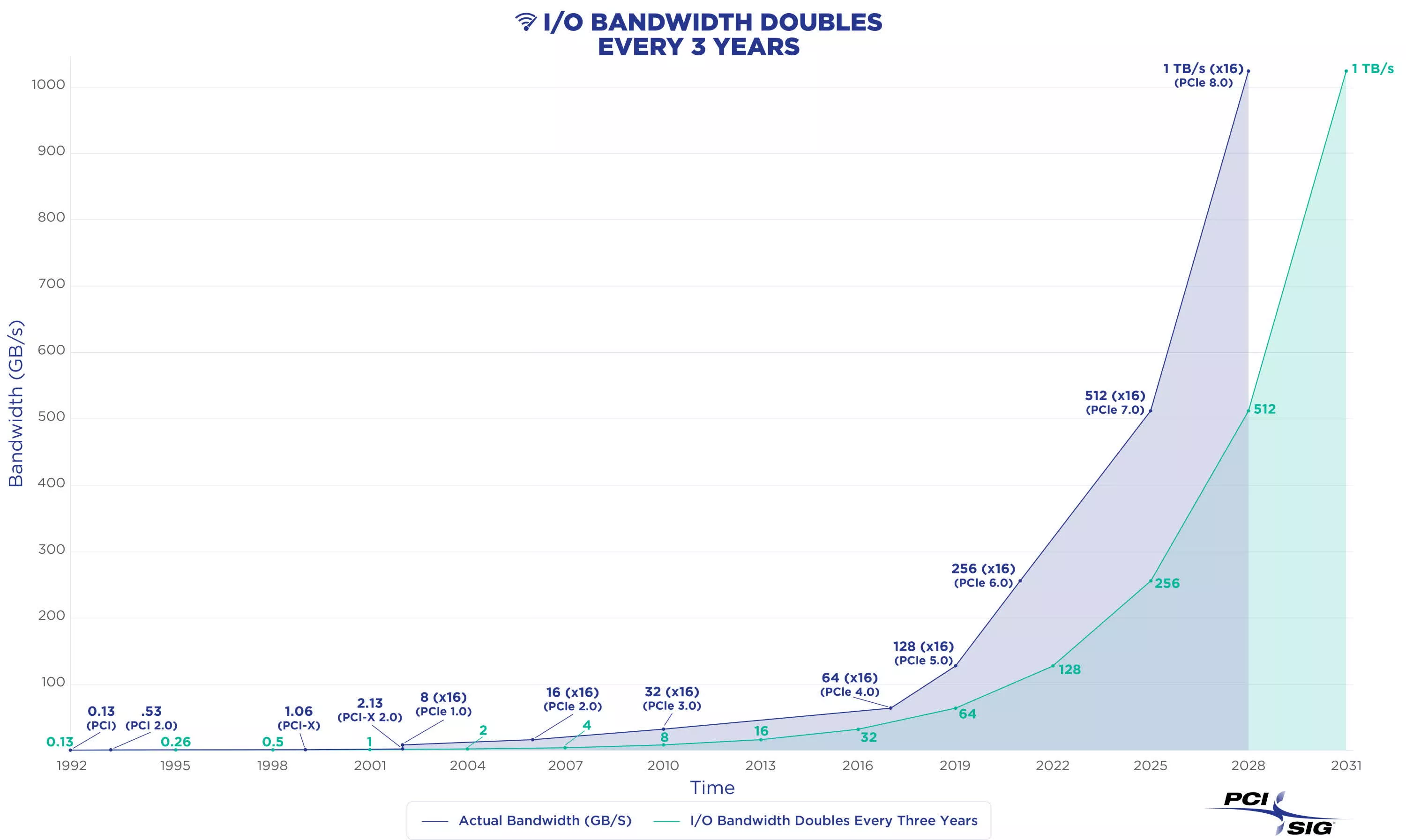
PCI-SIG has defined key "functional goals" for PCIe 8.0, which include a raw data rate of 256.0 GT/s, which enables up to 1 TB/s of bidirectional bandwidth in an x16 lane configuration.
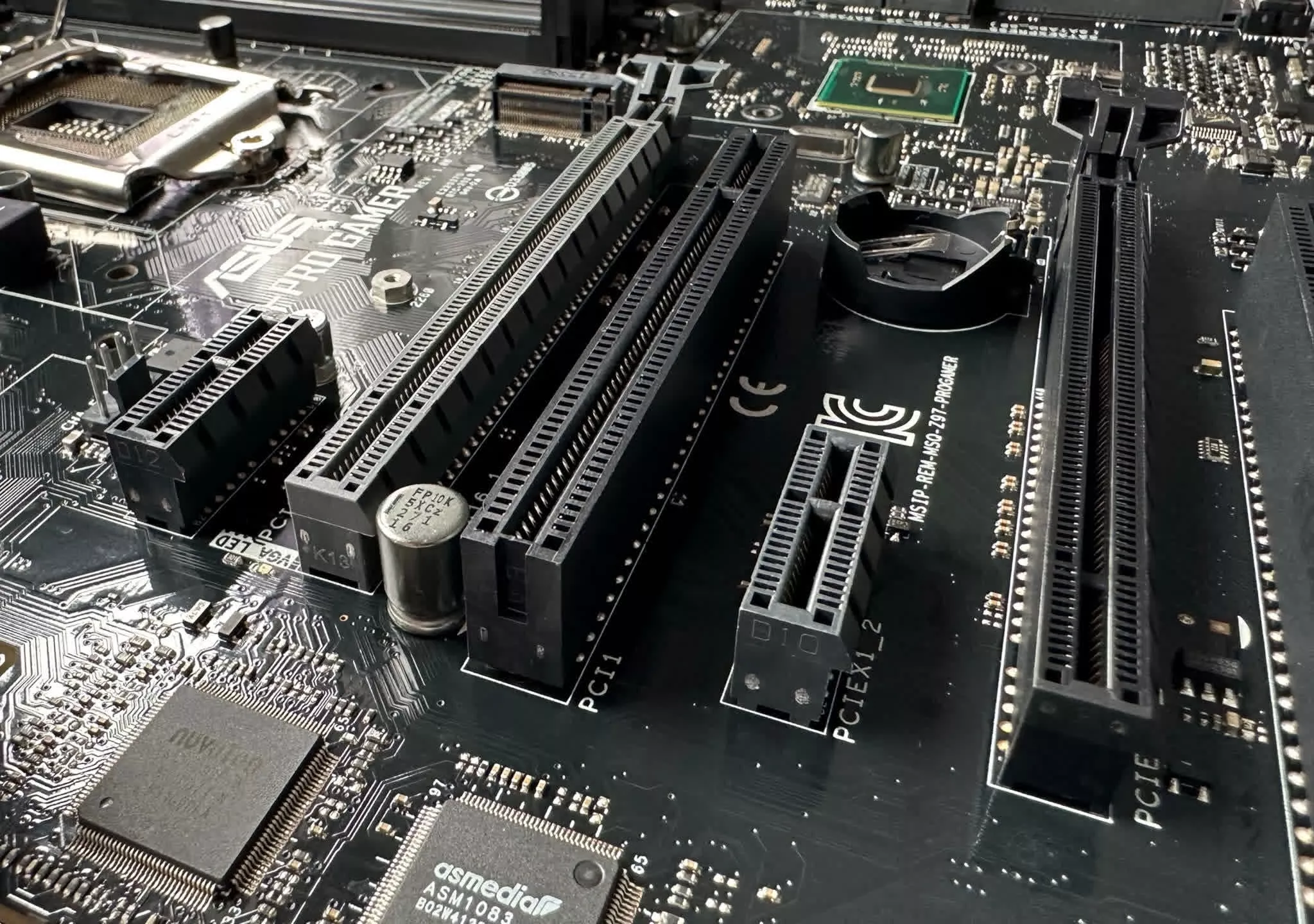
In addition, PCI-SIG engineers will evaluate a new, yet-to-be-announced connector technology capable of handling the massive data throughput envisioned by PCIe 8.0. As always, ensuring reliability and meeting strict latency targets remain key priorities. The new standard will also remain fully backwards compatible with previous generations of PCIe, improving performance while retaining interoperability.
In addition to higher bandwidth, PCIe 8.0 will introduce protocol enhancements and new energy efficiency features. PCI-SIG President and Chairman Al Yanes reiterated the alliance's commitment to doubling PCIe bandwidth approximately every three years, a pace that has been maintained for more than two decades. As data transfer demands continue to surge, PCIe remains the industry's most cost-effective, high-bandwidth and low-latency I/O interconnect technology.
PCIe 8.0 is expected to be particularly well-suited to support some of the data-intensive applications currently driving innovation in the IT industry. According to a press release from PCI-SIG, areas such as artificial intelligence and machine learning, high-speed networking, edge and quantum computing, high-performance computing, aerospace, automotive, and hyperscale data centers will benefit the most from this new standard.
However, from a consumer perspective, it could be years before PCIe 8.0 is truly adopted into mainstream PCs. The final specification is expected in 2028, but even today many modern GPUs perform well on PCIe 3.0 when paired with enough video memory. Therefore, the leap to PCIe 8.0 will initially cater more to the needs of enterprise and professional workloads rather than everyday consumer use.