The sun also "rains", and a scientific research team from the Institute of Astronomy at the University of Hawaii has recently found a key explanation for this phenomenon that has long puzzled the academic community. Unlike rainfall on Earth, solar rain occurs in the corona - the region of extremely hot plasma above the sun's surface.
This phenomenon refers to the process in which cooler and denser plasma clumps condense in the upper corona and fall back toward the sun's surface. For years, the scientific community has struggled to understand why this process is completed so quickly during a flare.
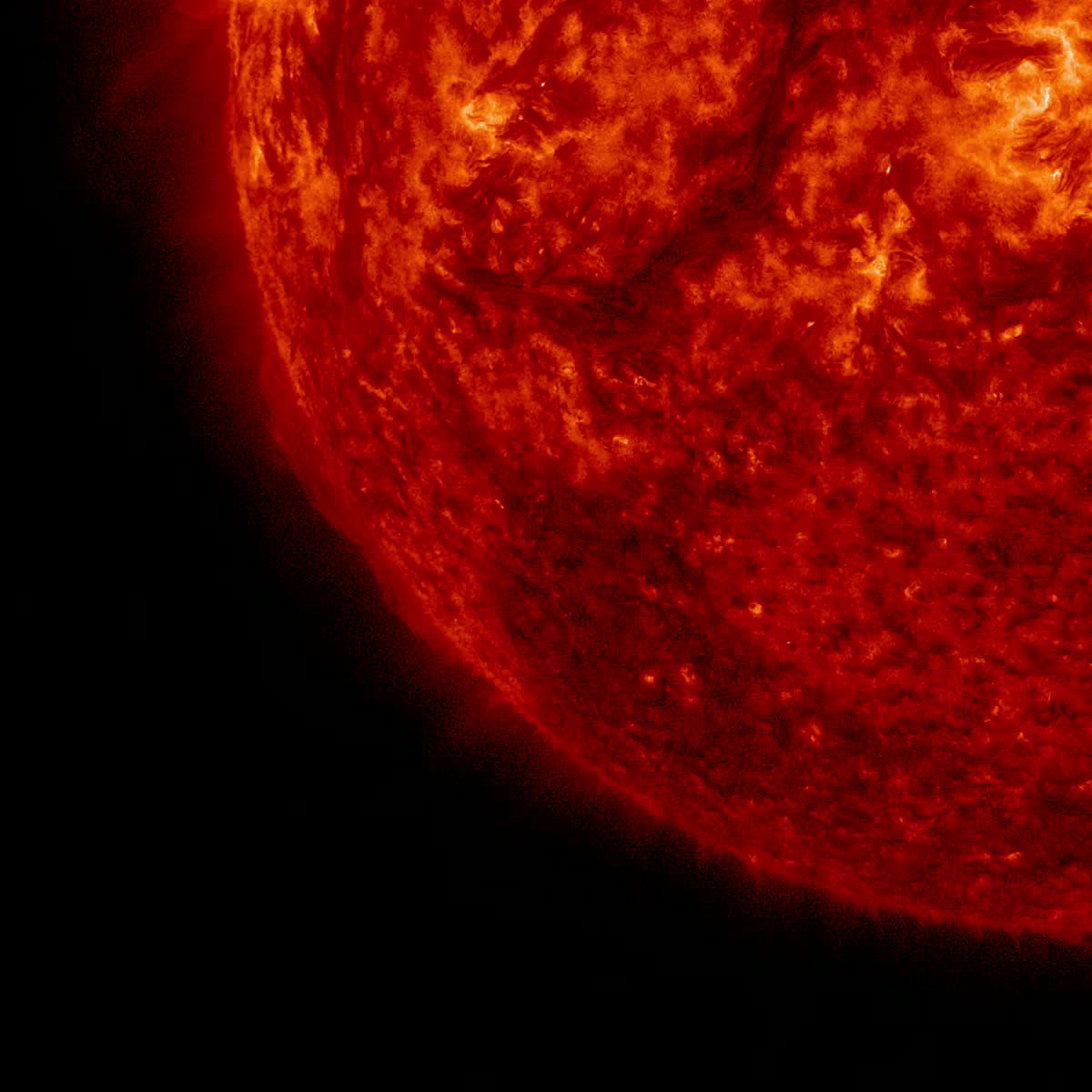
Previous theoretical models assumed that the distribution of various elements in the corona is constant, but new research overturns this view. The team found that when time-varying abundances of elements, such as iron, were introduced into the model, the simulations finally matched actual observations. This breakthrough not only solves the problem of "how coronal rain forms quickly", but also makes the physical process closer to reality.
This discovery has important implications for solar physics. Early models suggested that the formation of coronal rain requires hours or even days of heating, but in fact solar flares can occur in minutes. The new mechanism suggests that changes in elemental abundance are sufficient to explain the occurrence of rapid cooling and condensation, upending traditional estimates of the timing of coronal heating and cooling.
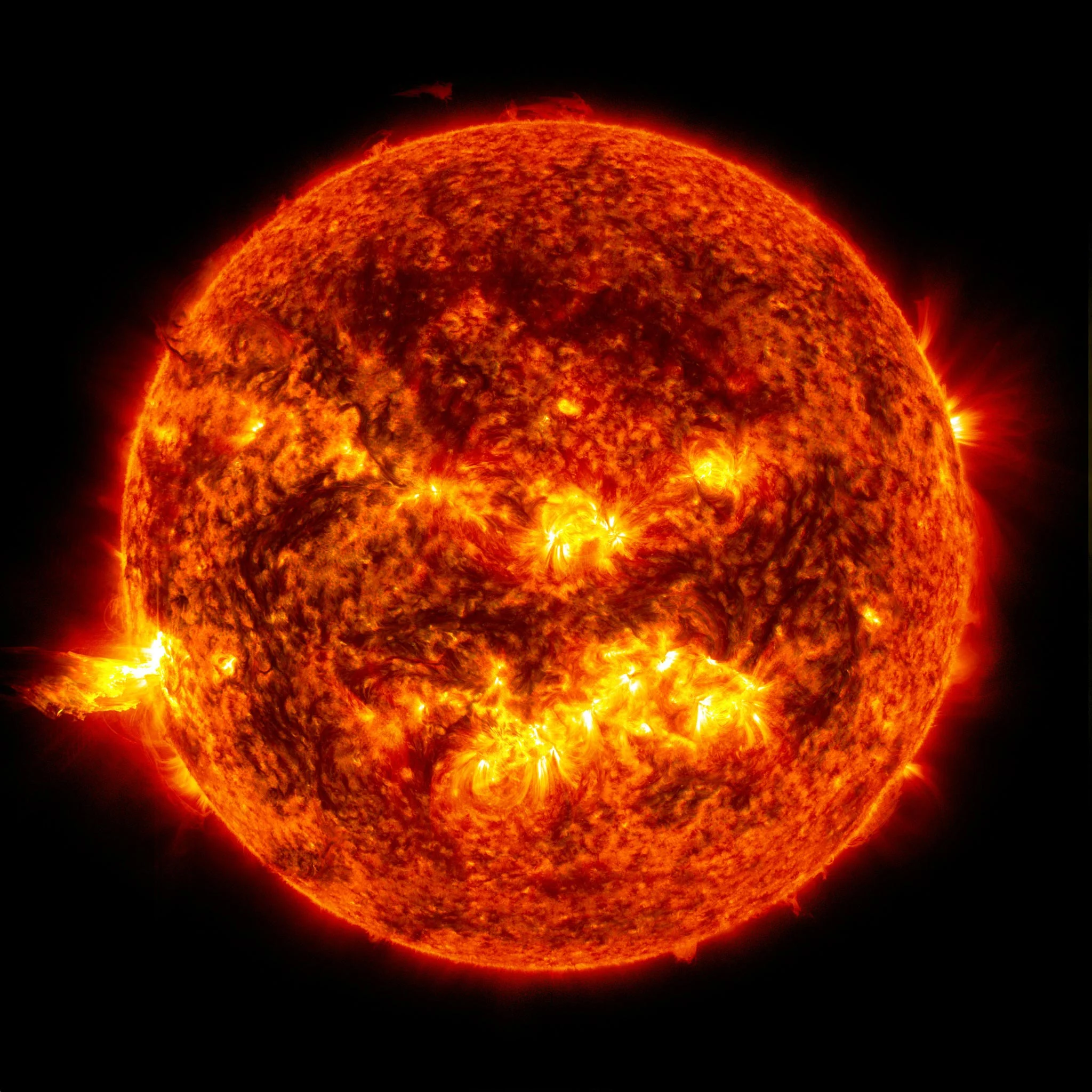
The researchers pointed out that since the coronal heating process cannot be directly observed, cooling time was often used as a proxy indicator. If elemental abundances are not properly incorporated into the model, cooling times can be significantly overestimated. This means that the existing coronal heating theory may need to be reconstructed, and it also opens up a new direction for understanding the solar outer atmosphere and energy transfer mechanism.
This achievement will promote more accurate solar flare modeling, which is expected to improve space weather forecasting capabilities in the future and have a long-term impact on the daily life of the earth and the protection of technological systems.